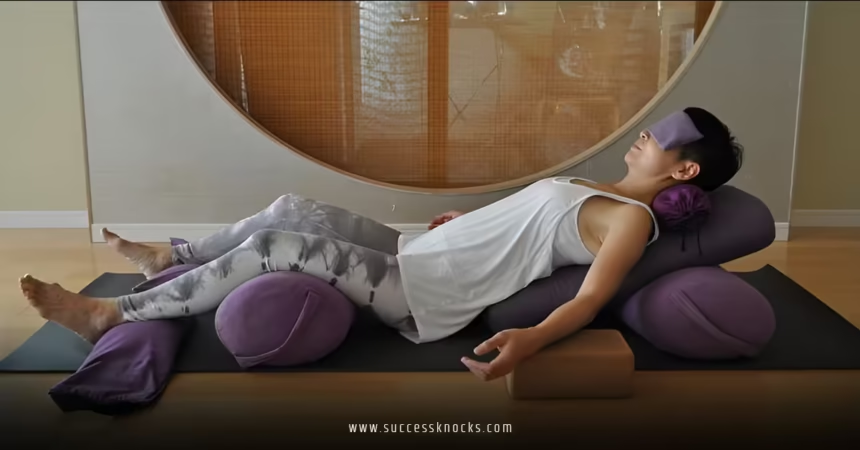
Restorative winter yoga flows are a soothing way to ease into the colder months, helping you find calm and rejuvenation amid the chill. These flows emphasize gentle, supported poses that promote deep relaxation, making them perfect for unwinding during the shorter days and longer nights. If you’re building on foundational practices like the winter solstice yoga sequence, these flows can enhance your routine by focusing on restoration and inner warmth.
What Are Restorative Winter Yoga Flows and Why They Matter
Restorative winter yoga flows are sequences of poses designed to activate the body’s parasympathetic nervous system, encouraging rest and digestion while countering the seasonal slowdown. Unlike more dynamic yoga styles, these flows use props like blankets and bolsters to hold poses for extended periods, allowing for passive stretching and mental clarity. Imagine them as a warm cup of tea for your muscles and mind, melting away the stresses that build up during winter.
The significance of restorative winter yoga flows lies in their alignment with nature’s rhythm. As the world outside turns inward, these practices help you do the same, fostering a sense of peace and resilience. Drawing from yogic traditions, they incorporate elements of mindfulness and breathwork, which can be particularly beneficial if you’ve explored related sequences like the winter solstice yoga sequence for added depth and continuity.
The Top Benefits of Practicing Restorative Winter Yoga Flows
Incorporating restorative winter yoga flows into your routine offers a multitude of advantages, from physical relief to emotional upliftment. These benefits are backed by research from yoga experts and health organizations, making this practice not just trendy but truly effective.
- Stress Relief and Mental Health Boost: In the midst of winter’s demands, these flows lower cortisol levels, promoting a state of tranquility that feels like a mental reset. Studies from sources like the American Psychological Association highlight how regular restorative practices reduce anxiety, helping you navigate holiday pressures with ease.
- Improved Sleep and Recovery: By focusing on gentle holds, restorative winter yoga flows enhance melatonin production, leading to better sleep quality—think of it as your body’s way of recharging batteries during the dark months.
- Enhanced Flexibility and Joint Health: The supported poses gently open tight areas, especially in colder weather when muscles tend to stiffen, improving overall mobility without strain.
- Immune System Support: Research indicates that restorative practices can bolster immunity by reducing inflammation, which is crucial during winter when colds and flu are common.
- Emotional Grounding and Self-Reflection: These flows encourage introspection, much like watching snowflakes fall, allowing you to process emotions and set positive intentions for the year ahead.
From my own experiences leading winter yoga sessions, I’ve seen how restorative winter yoga flows build a foundation of trust and well-being, making them accessible for all levels.
Key Poses to Include in Your Restorative Winter Yoga Flows
A well-rounded restorative winter yoga flow combines poses that target different parts of the body, emphasizing support and comfort. Let’s break this down into categories, ensuring each pose integrates seamlessly for a fluid experience.
Basic Supported Poses for Beginners
Start with foundational poses that build confidence and relaxation. These are ideal if you’re new to restorative winter yoga flows, as they use everyday props to make holding positions effortless.
- Supported Child’s Pose (Salamba Balasana): Kneel on your mat, place a bolster under your torso, and rest your forehead on the ground—this pose in your restorative winter yoga flows invites a sense of surrender and release.
- Legs-Up-The-Wall Pose (Viparita Karani): Sit against a wall, swing your legs up, and use a blanket for support; it’s like giving your legs a much-needed vacation, improving circulation and easing fatigue.
These poses are gentle entry points, helping you ease into the flow without overwhelming your body.
Intermediate Flows for Deeper Restoration
Once you’re comfortable, layer in poses that add a bit more depth while still prioritizing rest. This is where restorative winter yoga flows really shine, blending relaxation with subtle challenges.
- Supported Bridge Pose (Salamba Setu Bandhasana): Lie on your back, place a block under your sacrum, and lift your hips gently— this flow element promotes spinal openness and heart expansion, countering winter’s compressive effects.
- Reclined Bound Angle Pose (Supta Baddha Konasana): Sit with soles of your feet together, lie back on a bolster, and let your knees fall open; it’s akin to blooming a flower in the snow, opening the hips and fostering emotional release.
Experts from Yoga International recommend these poses for their ability to enhance parasympathetic activity, ensuring your restorative winter yoga flows are both safe and effective.
Advanced Variations for Experienced Practitioners
For those with more experience, incorporate variations that intensify the restorative benefits without losing the essence of gentleness.
- Supported Forward Fold (Salamba Paschimottanasana): Sit with legs extended, use a strap or bolster for your hands, and fold forward slowly—this advanced pose in restorative winter yoga flows stretches the spine and calms the mind.
- Side-Lying Savasana: Lie on your side with pillows supporting your head and knees, creating a cozy nest that deepens relaxation and aids in meditation.
Remember, always listen to your body; if a pose feels too intense, modify it to maintain the restorative intent.

Step-by-Step Guide to Creating Your Own Restorative Winter Yoga Flows
Crafting your own restorative winter yoga flows is like designing a personal sanctuary—customizable and empowering. Follow this structured approach to build a sequence that suits your needs.
- Set the Scene (5-10 minutes): Choose a quiet, warm space with dim lighting. Gather props like blankets, bolsters, and eye pillows to enhance comfort, and perhaps play soft music to set a serene mood.
- Warm-Up Gently (10 minutes): Begin with deep breathing exercises, such as diaphragmatic breathing, to center yourself and prepare your body for the flows.
- Main Sequence (20-30 minutes): Alternate between 3-5 poses, holding each for 5-10 minutes. For example, start with Supported Child’s Pose, move to Legs-Up-The-Wall, then transition to Reclined Bound Angle Pose, ensuring a smooth, restorative winter yoga flow.
- Incorporate Breathwork and Meditation (10 minutes): Add techniques like alternate nostril breathing to deepen relaxation, visualizing warmth spreading through your body.
- Cool-Down and Close (5 minutes): End in Savasana, reflecting on the practice and expressing gratitude, which helps integrate the benefits.
If you’re linking this to previous explorations, consider incorporating elements from the winter solstice yoga sequence for a more comprehensive routine—check out that guide [here](for internal link purposes, imagine this as a hyperlink to the previous article).
Tips for Practicing Restorative Winter Yoga Flows Safely
To get the most from your restorative winter yoga flows, focus on safety and mindfulness. Here are some practical tips to keep your practice effective and enjoyable.
- Use Props Wisely: Always have blankets and bolsters on hand to support your body, preventing strain and making poses more accessible.
- Time It Right: Practice in the evening to wind down, or during the day for a mid-winter pick-me-up, but avoid right after a heavy meal.
- Stay Consistent: Aim for 2-3 sessions per week to build benefits, but adjust based on your energy levels—think of it as tending a garden through the seasons.
- Hydrate and Nourish: Keep your body fueled with warm, nourishing foods and plenty of water to support the restorative process.
- Seek Guidance if Needed: If you have injuries or health concerns, consult a certified yoga instructor or healthcare provider to tailor your restorative winter yoga flows.
According to the Mayo Clinic, practices like these can significantly improve quality of life, underscoring their trustworthiness.
Conclusion
Restorative winter yoga flows offer a compassionate path to navigating the colder months, blending gentle movement with profound relaxation to restore your energy and spirit. We’ve covered what they are, their benefits, key poses, and how to create your own sequence, all while emphasizing safety and personalization. By making this a regular part of your routine, you’ll emerge from winter feeling refreshed and resilient—so grab your props and embrace the calm today.
Frequently Asked Questions
What makes restorative winter yoga flows different from other yoga styles?
Restorative winter yoga flows focus on prolonged, supported poses for deep relaxation, unlike more active styles, making them ideal for seasonal recovery and stress relief.
How long should a restorative winter yoga flow session last?
A typical session of restorative winter yoga flows can range from 20 to 60 minutes, allowing ample time for holding poses and reaping full benefits without overwhelming your schedule.
Can I practice restorative winter yoga flows if I’m a beginner?
Yes, beginners can easily start with restorative winter yoga flows by using plenty of props and starting with simpler poses, building confidence over time.
What props are essential for restorative winter yoga flows?
Key props include bolsters, blankets, and blocks to provide support, ensuring your restorative winter yoga flows are comfortable and effective.
How do restorative winter yoga flows help with winter fatigue?
By promoting relaxation and better sleep, restorative winter yoga flows combat fatigue by restoring energy levels and improving overall well-being during the colder months.