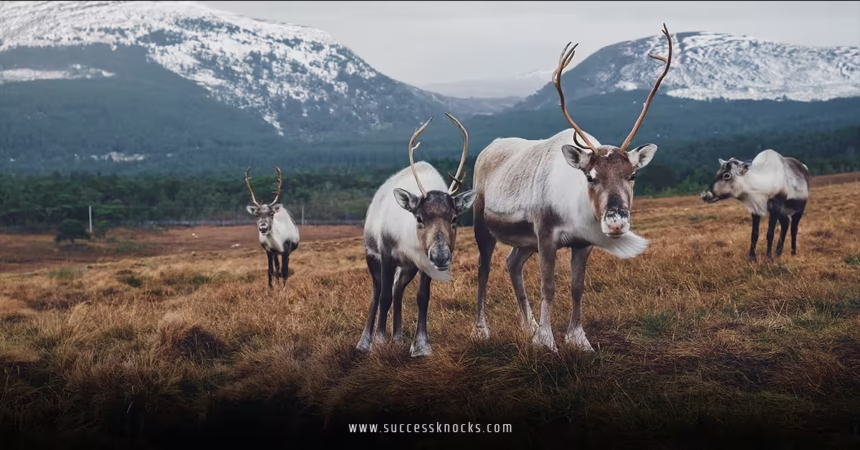
Reindeer conservation strategies are essential for safeguarding the populations of these iconic Arctic dwellers, facing threats from climate change and habitat loss. As global temperatures rise and human activities encroach on their territories, implementing effective strategies becomes crucial to ensure their survival and maintain ecological balance. In this article, we’ll explore proven methods, innovative approaches, and collaborative efforts that are making a real difference, while tying back to events like National Reindeer Day 2026 that raise awareness and inspire action.
The Importance of Reindeer Conservation Strategies in Today’s World
Reindeer conservation strategies play a pivotal role in preserving biodiversity, as these animals are keystone species in tundra ecosystems. They help control vegetation, support indigenous communities, and even influence carbon storage in permafrost regions—much like how bees pollinate flowers, reindeer shape their environments. With populations declining due to overhunting, pollution, and warming climates, urgent strategies are needed to prevent irreversible loss.
Experts from organizations like the World Wildlife Fund (WWF) emphasize that reindeer conservation strategies not only protect the species but also sustain cultural heritage for groups such as the Sami people in Scandinavia. By 2026, these efforts could align with global initiatives, including those celebrated during National Reindeer Day 2026, where communities worldwide engage in educational programs to bolster conservation awareness.
Key Threats to Reindeer Populations
Before diving into strategies, it’s vital to understand the challenges. Reindeer face habitat fragmentation from industrial development, which disrupts migration routes, and diseases exacerbated by a changing climate. For instance, melting ice caps force herds into smaller areas, increasing competition for resources—imagine a highway suddenly blocking your daily commute, but on a massive scale.
Other threats include predation and human-wildlife conflicts, where expanding settlements lead to more encounters. Reindeer conservation strategies must address these head-on, incorporating data from satellite tracking to monitor and mitigate risks effectively.
Core Reindeer Conservation Strategies: A Comprehensive Approach
Effective reindeer conservation strategies combine scientific research, community involvement, and policy changes. These methods focus on habitat protection, population management, and sustainable practices, ensuring long-term viability.
One cornerstone is protected area management, where governments designate reserves to limit human interference. For example, in Norway and Canada, strategies include creating no-go zones during migration seasons, allowing herds to roam freely. This approach has shown success in stabilizing populations, as evidenced by recent studies from environmental agencies.
Habitat Restoration and Protection Techniques
Habitat-focused reindeer conservation strategies involve reforestation and wetland restoration to recreate natural landscapes. Techniques like planting native vegetation help restore degraded areas, providing food and shelter for reindeer. Think of it as rebuilding a neighborhood after a storm, piece by piece.
Innovative tools, such as GIS mapping, allow conservationists to identify critical zones for intervention. In Alaska, projects use these strategies to fence off oil drilling sites, reducing disturbances and promoting herd recovery.
Case Studies of Successful Habitat Efforts
In Finland, a community-led initiative restored over 10,000 hectares of lichen-rich pastures, a primary food source for reindeer. This strategy not only boosted local populations but also linked back to broader events like National Reindeer Day 2026, where participants learn about such successes through workshops.
Population Monitoring and Management
Reindeer conservation strategies also rely on advanced monitoring techniques, like collaring animals with GPS devices to track movements and health. This data-driven approach helps predict threats and adjust management plans, similar to how weather apps forecast storms.
Breeding programs and anti-poaching patrols are integral, with organizations training locals to enforce regulations. In Russia, collaborative efforts have reduced illegal hunting by 30% in the past five years, demonstrating the power of community-based strategies.
Integrating Technology in Conservation
Drones and AI are revolutionizing reindeer conservation strategies by providing aerial surveys and predictive analytics. For instance, AI algorithms analyze migration patterns to forecast resource needs, ensuring herds have access to food during harsh winters.
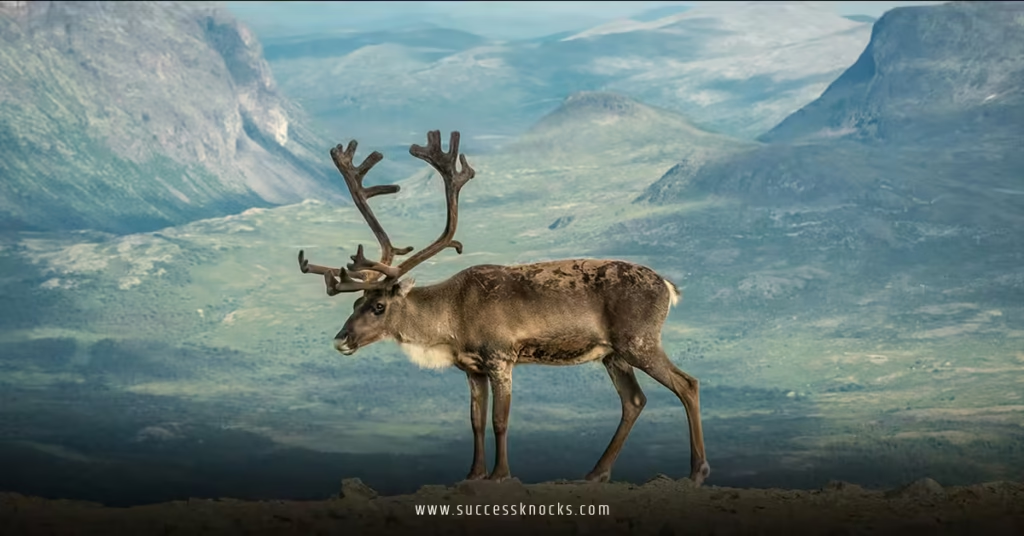
Collaborative Efforts: Involving Communities and Governments
No reindeer conservation strategy succeeds in isolation; partnerships between indigenous groups, NGOs, and governments are key. Indigenous knowledge, passed down through generations, complements modern science, creating holistic plans that respect cultural ties.
In Sweden, the Sami people’s traditional herding practices are integrated into national policies, fostering sustainable land use. This collaboration extends to international forums, where strategies are shared to address transboundary issues, much like a global team tackling a shared puzzle.
The Role of Education and Awareness in Strategies
Education forms the backbone of effective reindeer conservation strategies, with programs aimed at schools and the public. Events tied to National Reindeer Day 2026, for example, use interactive campaigns to teach about conservation, encouraging participation in citizen science projects.
By linking these strategies to cultural celebrations, awareness grows, motivating more people to support initiatives like habitat donations or volunteer programs.
Challenges and Innovations in Reindeer Conservation Strategies
Despite progress, challenges persist, including funding shortages and climate impacts. However, innovations like carbon credit programs are emerging, where companies offset emissions by funding conservation efforts—effectively turning environmental threats into opportunities.
Future strategies may incorporate gene banking to preserve genetic diversity, ensuring resilience against diseases. As we approach 2026 aligning these with events like National Reindeer Day 2026 could amplify their reach, fostering a global network of supporters.
Overcoming Obstacles with Adaptive Strategies
Adaptive management allows strategies to evolve based on real-time data, such as adjusting protected areas as climates shift. This flexibility is crucial for long-term success, helping reindeer adapt to a changing world.
Conclusion
Reindeer conservation strategies are vital for protecting these resilient animals and the ecosystems they inhabit, from habitat restoration to community collaborations. By implementing these approaches, we can mitigate threats and ensure a thriving future for reindeer populations. As we connect these efforts to inspiring events like National Reindeer Day 2026, there’s hope for continued progress and greater involvement from all corners of the globe.
Frequently Asked Questions
What are the main components of effective reindeer conservation strategies?
Reindeer conservation strategies typically include habitat protection, population monitoring, and community involvement to address threats like climate change and habitat loss.
How do reindeer conservation strategies incorporate indigenous knowledge?
Many strategies blend traditional indigenous practices with modern science, such as using herding techniques to manage populations sustainably.
Can individuals contribute to reindeer conservation strategies?
Yes, by participating in events related to National Reindeer Day 2026 or supporting NGOs through donations and volunteering for local conservation projects.
What role does technology play in reindeer conservation strategies?
Technology like GPS tracking and AI helps monitor herds and predict environmental changes, making strategies more efficient and proactive.
How are reindeer conservation strategies affected by climate change?
Climate change disrupts migration and food sources, so strategies now focus on adaptive measures, including those highlighted during National Reindeer Day 2026 awareness campaigns.