
Difficult conversations are inevitable with your elderly loved one. From funeral plans to understanding their wishes for power of attorney and other tricky topics, all of these discussions are key to ensuring the dignity and experiences that they want. But, if you’re always talking about gloomy things don’t be surprised if you start to see their health declining a little more quickly.
The stress and grim prospects of conversations like these can have an undeniably notable impact on the mind and body. And, when those two things are already under the strain of old age, that can be bad news indeed.
Of course, this isn’t to say that you should bypass those conversations, but it does highlight the need to intersperse those more serious moments with conversations that have more positive leanings. In this article, we’ll be discussing just a few positive conversation starters that could bring daily joy and health when your loved one needs it the most.
The Health Benefits of Late-Life Positivity

Before we get into the nitty-gritty of positive conversation ideas, let’s take a moment to consider how they can actually impact your loved one’s health. After all, while it’s easy to see that a more positive mental outlook can be beneficial at any age, a lot of people don’t realize the far-reaching health and cognitive benefits that this simple switch can have. For instance, we’re betting you didn’t know that even just one or two positive interactions a day can help with –
- Heart health: A pessimistic outlook leaves elderly individuals at two times higher risk of heart disease than those with the power of positivity.
- Increased immunity: Studies reveal that positivity lowers the risks of potentially dangerous illnesses like cold or flu by 45-80%.
- Improved memory: Constantly frightening conversations and thoughts can cause the release of cortisol, which suppresses the brain cells responsible for learning and memory. By comparison, a calmer outlook through positive conversations causes the release of norepinephrine, which stimulates the brain’s learning center and helps with long-term memory retention.
- Increased willingness to exercise: Elderly individuals with a more positive, longevity-based outlook are more likely to regularly engage in exercise that can help with heart health, risk of stroke, and more.
- A better mental outlook: Positive conversations can also encourage a more positive mental outlook, which helps elderly people to avoid mental illnesses like depression and anxiety, as well as encouraging a more active lifestyle that includes proper nutrition and a generally improved outlook.
The Best Positive Conversation Starters to Try
With those health benefits in mind, positive conversations really are key to late life health in all areas. That’s why we’ve put together some top positive conversation starters you might want to try.
# 1 – Planning for the Future
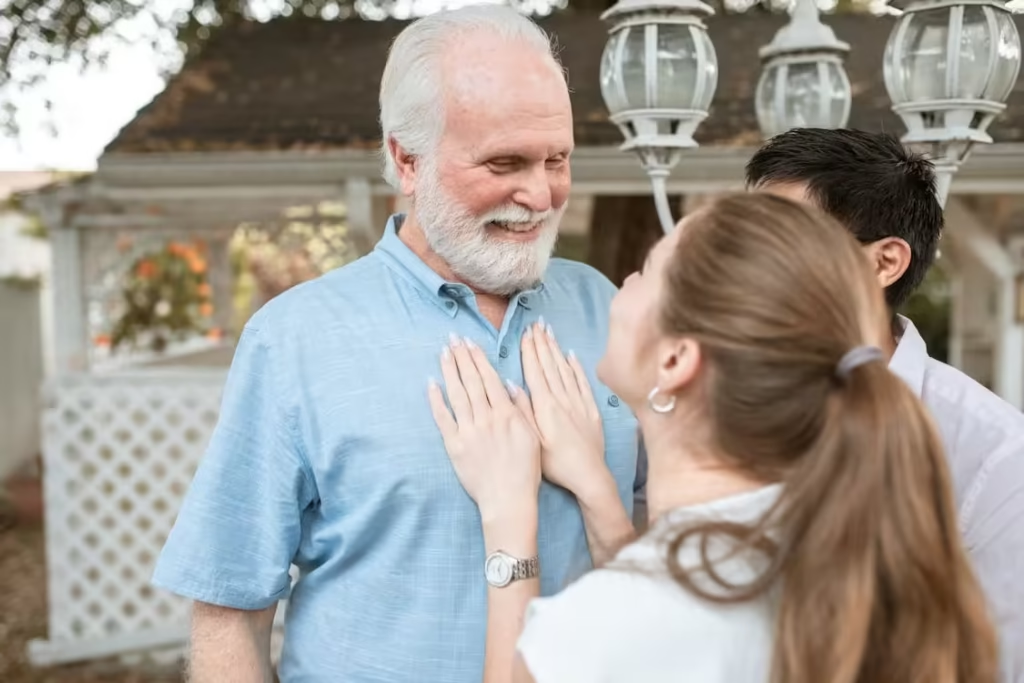
Admittedly, most of us talk to elderly loved ones a lot about the future. Yet, as crucial as they are, these conversations tend to revolve around fairly bleak future events, like funeral planning or considering which wood urns from Memorials.com your loved one would appreciate best at a later date. These conversations aren’t exactly the best for boosting that person’s mood, which is why you should intersperse them with more positive future plans. Something as simple as planning for a day out, or making some sort of plan for future visits if your loved one is in a home, can make all of the difference for keeping them looking forward in the best possible way.
# 2 – Prioritizing Gratitude
At a certain age, it’s not unusual to spend a lot of conversation time bemoaning things like broken sleep and general aches and pains. But, these kinds of conversations could actually make those very same complaints a lot worse. Instead, try to lean into conversations that center around gratitude. In fact, encouraging your loved one to start a gratitude journal like these ones from Papier.com during your visits can be a great way to open up more generally thankful and happy conversations. You could also encourage gratitude with questions such as, ‘what’s the best thing you did today?’ or ‘what are you most looking forward to at the moment?’
# 3 – The Social Side of Conversation
Up to 57% of older individuals report feeling lonely, a fact that’s made particularly worrying by the reality that loneliness can be as bad for our health as smoking. Unfortunately, this loneliness often pervades even with friends and family nearby. After all, constantly referring to difficult decisions up ahead can leave your loved one feeling othered and like an outsider in their own lives. To avoid that, it’s best to lean into more social conversations now and again. Simply talking to your loved ones about anecdotes in your own life, or asking about what’s going on in their friendship group, can result in reconnection and the true companionship that we all need to live a healthier, longer life.
# 4 – Putting Their Autonomy First
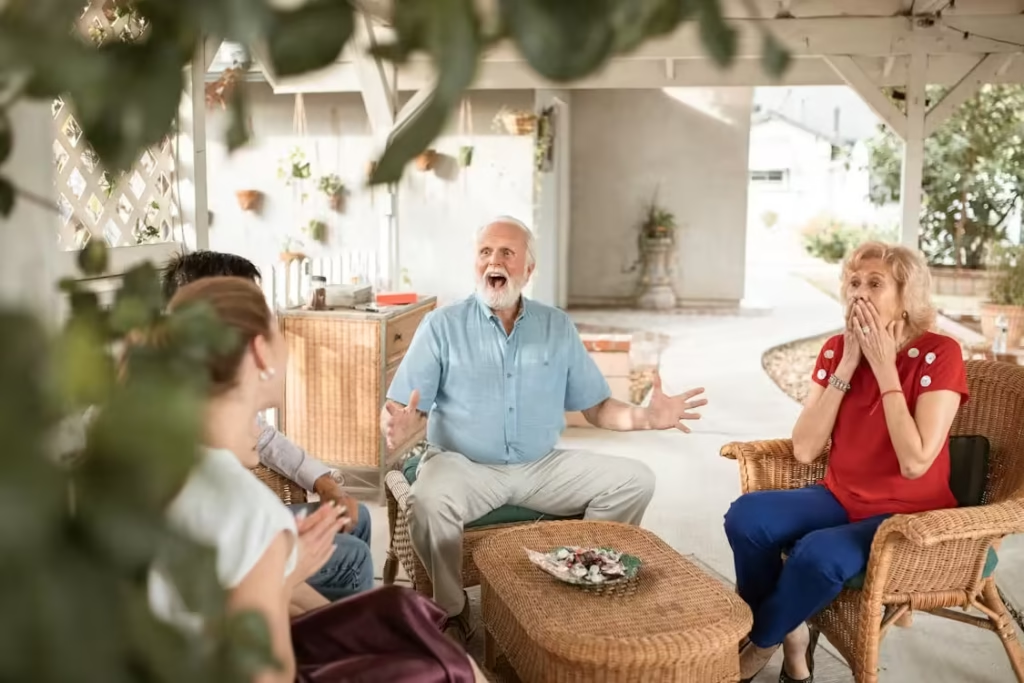
While it’s often done with the best intentions, we have a habit of conversationally removing autonomy for elderly loved ones, who we may assume require our protection or our care. We may speak for them, over them, or entirely disregard their opinion. Unfortunately, this can increase feelings of loneliness and stress, and both of those things are best avoided. So, instead of taking on a classic carer role in every conversation, remember to ask your loved one their opinion. For instance, instead of jumping in if something’s happened in their care home, remember to ask ‘how did you feel about that?’ or ‘would you like me to speak with anyone about that?’ It’s a small conversational step to the left, but it could make all the difference for ensuring your loved one feels heard and genuinely supported in what they want, rather than what you think they need.
Conversation can get tricky when there are difficult topics to tackle with your elderly loved one, but you can ensure that it’s not all doom and gloom by including these positive topics for the sake of their health!