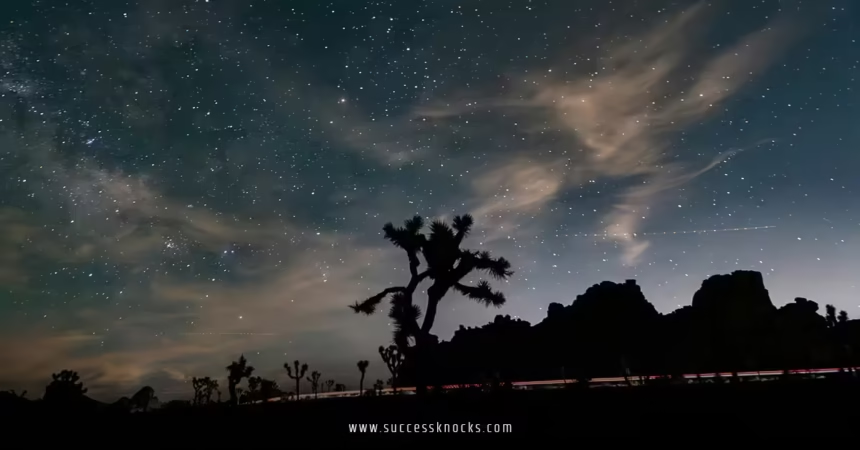
Night sky photography tips are essential for turning ordinary stargazing sessions into stunning visual masterpieces, whether you’re shooting the Milky Way, planets, or meteor showers. As an enthusiast who’s explored dark skies from remote mountains to urban backyards, I’ll guide you through practical, beginner-friendly strategies to elevate your skills. And if you’re specifically interested in meteor events, don’t miss our in-depth guide on Ursid Meteor Shower Photography Settings for tailored techniques that complement these tips.
Why Night Sky Photography Tips Matter for Every Aspiring Astrologer
Night sky photography tips aren’t just about snapping pretty pictures; they’re about preserving the magic of the universe in a frame. Imagine capturing the ethereal glow of the Milky Way or the sharp trail of a shooting star—it’s like bottling a piece of infinity. These tips help you overcome challenges like light pollution and long exposures, making your images shareable and awe-inspiring. By mastering night sky photography tips, you’ll not only enhance your portfolio but also deepen your appreciation for the cosmos, all while building a foundation for specialized pursuits like meteor shower captures.
In a world where social media thrives on visual content, applying effective night sky photography tips can boost your online presence. According to NASA’s data on celestial events, millions observe the night sky annually, creating a ripe audience for your photos. Let’s break down the key elements to get you started, ensuring your night sky photography tips lead to consistent success.
Essential Gear for Mastering Night Sky Photography Tips
Before diving into techniques, let’s talk gear—it’s the backbone of any great night sky photo. Think of it as assembling a toolkit for an adventure; without the right items, even the best plans fall short.
Choosing the Right Camera
A solid camera is non-negotiable for night sky photography tips. DSLRs or mirrorless cameras like the Sony A7 series or Nikon Z6 offer excellent low-light performance, but your smartphone can work in a pinch with the right apps. The key is manual controls, which allow you to tweak settings precisely, much like fine-tuning a musical instrument for a perfect note.
- Why a Tripod is Your Best Friend: Stability is crucial for long exposures, preventing blurry images from even the slightest shake. Opt for a sturdy, lightweight tripod that can handle windy conditions.
- Lenses and Accessories: Wide-angle lenses (14-35mm) with wide apertures (f/2.8 or lower) gather more light. Don’t forget a remote shutter release to avoid camera shake and filters to reduce light pollution.
By investing in quality gear and following these night sky photography tips, you’ll set yourself up for clearer, more vibrant shots that stand out.
Core Techniques in Night Sky Photography Tips
Now that you’re geared up, let’s explore the techniques. Night sky photography tips revolve around balancing exposure, focusing, and composition to capture the stars’ subtle details.
Nailing Exposure and ISO Settings
Exposure is where many beginners stumble, but with the right night sky photography tips, it’s straightforward. Start by setting your ISO between 800 and 6400, depending on your camera’s capabilities—this boosts sensitivity to light without introducing too much noise. A good rule of thumb: in darker areas, go higher; in light-polluted cities, keep it lower.
- Shutter Speed Strategies: For star trails, use 30 seconds or more; for sharp points, limit to 10-20 seconds to avoid star streaks. It’s like deciding how long to leave a net in the water to catch fish—timing is everything.
- Aperture Adjustments: Wide open at f/2.8 lets in maximum light, ideal for faint celestial objects. Experiment with these settings during twilight to test, as per night sky photography tips from experts at sites like Photography Life.
Focusing in the dark is another challenge. Use manual focus and live view to lock onto a bright star, ensuring your images are tack-sharp. These night sky photography tips will help you avoid the frustration of out-of-focus shots.
Composition and Framing for Impact
Great photos aren’t just about technical prowess; composition makes them memorable. Follow night sky photography tips like the rule of thirds—place the horizon or key stars at intersection points for balance. Incorporate foreground elements, such as trees or mountains, to add depth and context, turning a simple sky shot into a storytelling piece.
- Using the Milky Way as a Focal Point: Time your shoots with apps like PhotoPills to align with the galactic center. This tip enhances the drama, making your photos pop on social media.
- Incorporating Meteor Showers: If you’re venturing into events like the Ursids, apply specific settings from our guide on Ursid Meteor Shower Photography Settings to integrate seamlessly with these general tips.
By layering these night sky photography tips, you’ll create images that not only look professional but also evoke emotion.
Overcoming Common Challenges with Night Sky Photography Tips
Every photographer encounters obstacles, but with targeted night sky photography tips, you can turn them into opportunities.
Battling Light Pollution
Light pollution can wash out the stars, but don’t let it deter you. Seek dark-sky locations using resources from the International Dark-Sky Association. If you’re stuck in the city, use light pollution filters or edit in post-processing to reclaim those details.
- Editing Software Essentials: Tools like Adobe Lightroom can reduce noise and enhance contrast. A pro tip: always shoot in RAW format for more editing flexibility, a staple in night sky photography tips.
- Weather and Timing Advice: Check forecasts and moon phases—new moons offer the darkest skies. Plan sessions around these for the best results.
Handling Weather and Safety
Cold nights and unpredictable weather are par for the course. Dress warmly and bring backups for your gear. These night sky photography tips emphasize safety: never shoot alone in remote areas and always have a plan B for cloudy nights.
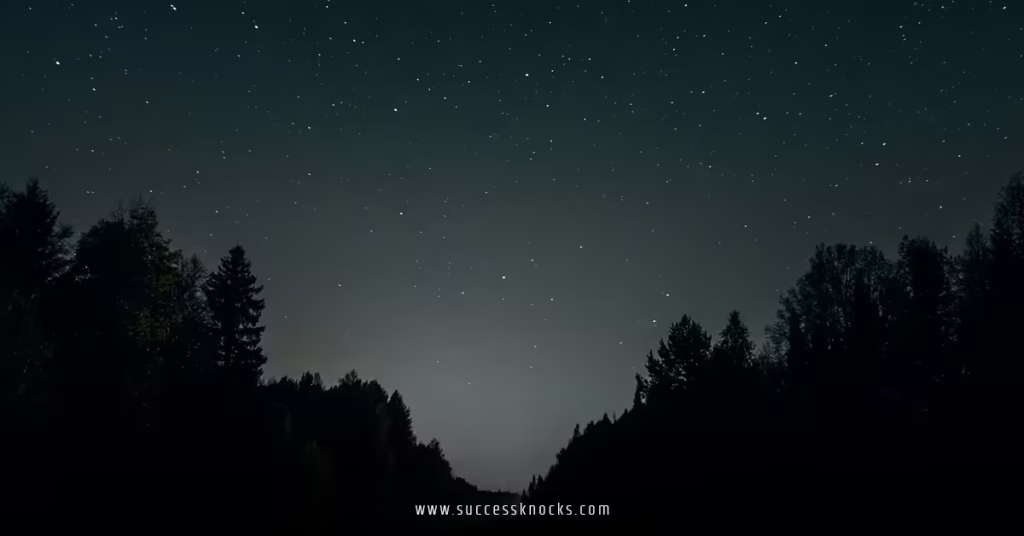
Advanced Night Sky Photography Tips for Pros
Once you’re comfortable with the basics, elevate your game with advanced techniques. Night sky photography tips for experts include star stacking for deeper images or time-lapses for dynamic videos.
- Star Stacking Method: Combine multiple exposures in software like Starry Landscape Stacker to reduce noise and reveal faint details. It’s like piecing together a puzzle for a clearer picture.
- Time-Lapse Setup: Use intervalometers for sequences that show the sky’s movement, perfect for social media reels.
These night sky photography tips build on foundational skills, preparing you for complex projects.
Why Night Sky Photography Tips Enhance Your Creative Journey
Beyond the technicalities, night sky photography tips foster a deeper connection to the universe. They encourage exploration, patience, and creativity, much like how Ursid Meteor Shower Photography Settings specialize in capturing transient events. Sharing your work can inspire others, turning a hobby into a community.
Conclusion
Mastering night sky photography tips opens up a world of cosmic wonders, from crisp star fields to dramatic auroras. We’ve covered gear selection, core techniques, challenges, and advanced strategies to help you succeed. Remember, the key is practice and passion—so grab your camera, find a dark spot, and start shooting. Your first stellar photo could be just one night away, sparking a lifelong adventure.
Frequently Asked Questions
What are the basic night sky photography tips for beginners?
Start with a tripod, manual settings, and a dark location; adjust ISO to 1600 and shutter speed to 15-30 seconds for clear shots without much hassle.
How can night sky photography tips help with light pollution?
Use filters and shoot in RAW to edit out unwanted light, making it easier to capture stars even in suburban areas.
Is a special camera needed for night sky photography tips?
Not always—smartphones with night mode work, but DSLRs offer better control for professional results.
What apps complement night sky photography tips?
Apps like PhotoPills and SkySafari help with planning and tracking, enhancing your overall experience.
How do night sky photography tips vary by season?
In winter, focus on cold-weather gear; in summer, deal with shorter nights, always adapting settings for optimal exposure.