

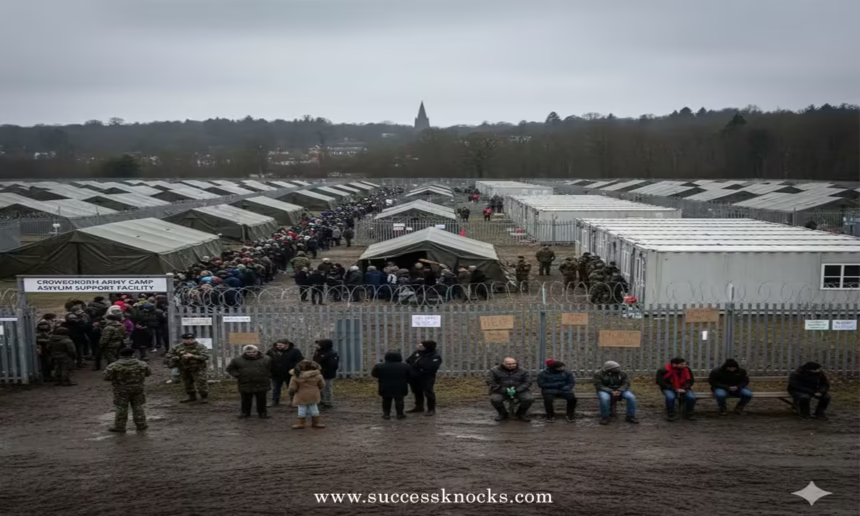
Asylum seekers Crowborough army camp have become a hot topic in the UK, sparking debates about immigration policy, local impacts, and humane accommodation solutions. In early 2026, the first group of asylum seekers arrived at this former military site in East Sussex, marking a significant shift in how the government handles temporary housing for people claiming asylum.
Have you ever wondered what happens when a quiet town suddenly finds itself at the center of national headlines? That’s exactly what’s unfolding in Crowborough right now. This once-disused army training camp, nestled in the rolling hills of East Sussex, has transformed from a place for cadet drills and military exercises into a temporary home for individuals fleeing persecution, war, or danger in their home countries.
What Is the Crowborough Army Camp and Why Asylum Seekers Are There?
The asylum seekers Crowborough army camp setup refers to the repurposing of Crowborough Training Camp, a Ministry of Defence (MOD) facility near the town of Crowborough. Historically, this site hosted army training, including for cadets—thousands of young people passed through its gates each year for outdoor activities and skill-building.
But in late 2025, the UK government, under the Labour administration, announced plans to use select military sites like this one to house asylum seekers. The goal? To phase out the costly and controversial practice of placing people in hotels. Home Secretary Shabana Mahmood described the move as “just the start” of a broader strategy to regain control over asylum accommodation expenses, which had ballooned dramatically in previous years.
The first arrivals—27 single adult men—stepped onto the site in the early hours of January 22, 2026. Plans call for scaling up to house more than 500 individuals, with stays limited to around three months while their asylum claims get processed. Think of it like a temporary bridge: not a permanent home, but a structured stopgap to replace hotel rooms that were draining public funds.
The Background: Why Military Sites Like Crowborough Army Camp?
UK asylum policy has faced intense pressure for years. Thousands arrive annually, many via dangerous Channel crossings, claiming protection under international law. Processing backlogs mean people wait months—or longer—for decisions, and during that time, they need somewhere safe to stay.
Hotels became the default option, but at a steep price—reports once pegged daily costs in the millions. Critics argued this approach was unsustainable and unfair to taxpayers. Enter the idea of “large sites”: former barracks, airfields, or camps that the government already owns or controls. These promise self-sufficiency, on-site services, and tighter security.
Crowborough fits this model perfectly. It had been used recently for Afghan resettlement transitional housing, proving it could adapt. The Home Office emphasizes that residents undergo screening against police and immigration databases before arrival. On-site security remains strict, and the setup aims to minimize disruption to surrounding communities.
Yet, it’s not without controversy. Local leaders and residents have voiced strong concerns, from traffic increases to impacts on public services. Some see it as repeating past mistakes with institutional-style accommodation that can feel isolating.
Who Are the Asylum Seekers at Crowborough Army Camp?
At the asylum seekers Crowborough army camp, the focus is on single adult males aged 18 to 65. This demographic reflects broader UK trends—many who claim asylum after irregular arrivals are young men traveling alone.
These individuals come from various countries, often escaping conflict, human rights abuses, or economic collapse. Imagine leaving everything familiar behind, crossing borders on foot or in overcrowded boats, only to face uncertainty in a new land. For them, the camp provides basic, secure lodging: beds, meals, and access to healthcare, including an on-site GP to ease pressure on local NHS services.
The Home Office stresses self-sufficiency. Residents get support for essentials, legal advice on claims, and connections to voluntary organizations. The short-term stay cap—up to three months—aims to speed up processing and reduce long-term strain.
Local Reactions and Community Impact in Crowborough
No discussion of asylum seekers Crowborough army camp would be complete without addressing the town’s response. Crowborough, a peaceful market town known for its proximity to Ashdown Forest (the inspiration for Winnie-the-Pooh’s Hundred Acre Wood), isn’t used to this kind of spotlight.
Protests erupted almost immediately after announcements in late 2025. Residents marched, signed petitions, and raised fears about safety, community cohesion, and strain on schools, doctors, and shops. Wealden District Council opposed the plan fiercely, writing letters to the Home Office and even exploring legal options, though central government authority limited their leverage.
Why the strong pushback? Some worry about cultural differences or potential incidents, amplified by media stories. Others point to practical issues—like how 500 extra people might affect a town of around 20,000. It’s understandable to feel protective of your home, right? Change can feel threatening, especially when decisions come from far away.
On the flip side, supporters argue the site brings controlled, temporary accommodation rather than scattering people across hotels nationwide. Charities highlight that asylum seekers often contribute positively once integrated—many work in vital sectors if allowed.
Government Rationale and Broader Asylum Accommodation Strategy
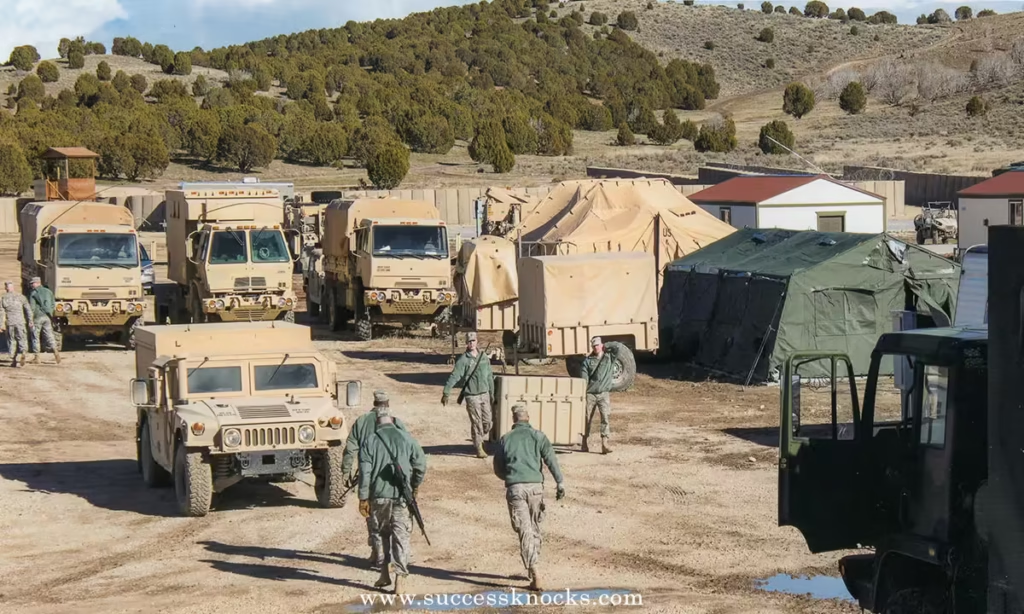
The asylum seekers Crowborough army camp initiative ties into a larger push. The government wants to end hotel use by the end of the parliament (around 2029). Military sites offer advantages: existing infrastructure, perimeter security, and lower per-person costs over time.
A factsheet from the Home Office outlines safeguards—robust vetting, on-site welfare, and collaboration with police and councils. It’s designed to deter irregular migration by removing “pull factors” like prolonged hotel stays in city centers.
Compared to past sites (like Wethersfield or Napier barracks), lessons have been learned. Improvements include better mental health support and community liaison. Still, critics—including human rights groups—question whether barracks-style living truly meets dignity standards. Is it humane to house vulnerable people in what feels like an institutional setting?
Challenges and Criticisms Surrounding Asylum Seekers Crowborough Army Camp
Let’s be real: this isn’t a perfect solution. Protests continue, with police preparing for demonstrations. Legal challenges loom over planning permissions and transparency.
Concerns include mental health risks in isolated settings, limited access to legal support, and potential isolation from integration opportunities. Charities warn that large sites can hinder rather than help asylum seekers rebuild lives.
Costs remain debated—some analyses suggest retrofitting military sites ends up pricier than anticipated due to upgrades and security.
Yet the government insists it’s a necessary step. With asylum claims rising and public budgets stretched, alternatives must be explored.
What Does the Future Hold for Asylum Seekers Crowborough Army Camp?
As of now, the site is operational and growing. More arrivals are expected, with careful monitoring by authorities.
Success depends on balancing efficiency with compassion. If managed well, it could model a better way forward—secure, cost-effective, and respectful. If not, it risks deepening divisions.
Communities like Crowborough deserve clear communication and support. Asylum seekers deserve fair, dignified treatment while their cases proceed.
Conclusion
The story of asylum seekers Crowborough army camp captures the complexities of modern immigration in the UK. From a quiet military training ground to a focal point for national debate, it highlights tensions between practicality, cost control, local concerns, and human rights obligations.
Key takeaways? The government is shifting away from hotels toward owned sites like this one for efficiency and security. Local opposition reflects genuine worries about change. Asylum seekers themselves are individuals seeking safety, not statistics.
Whether this approach proves sustainable remains to be seen, but it forces us to ask: How do we balance compassion with control in a challenging world? Engaging thoughtfully—through dialogue, facts, and empathy—offers the best path forward.
If you’re curious about immigration policy or local impacts, staying informed helps. What do you think—could repurposed military sites be part of the answer?
Here are three external links to high-authority sources for more details:
- BBC News on first arrivals at Crowborough
- GOV.UK factsheet on Crowborough Training Camp
- The Guardian coverage of protests and arrivals
FAQs
What exactly is the asylum seekers Crowborough army camp setup?
It’s the repurposing of Crowborough Training Camp in East Sussex to temporarily house single adult male asylum seekers, starting with 27 in January 2026 and scaling to over 500, as part of ending hotel use.
Why did the UK government choose Crowborough army camp for asylum seekers?
To cut expensive hotel costs, provide secure self-sufficient accommodation, and process claims faster in a government-controlled site with existing infrastructure.
How have locals reacted to asylum seekers at Crowborough army camp?
Many residents and Wealden District Council opposed it strongly, leading to protests, petitions, and calls for legal challenges over safety, services, and community impact.
Who can stay at the asylum seekers Crowborough army camp?
Primarily single adult males aged 18-65 who have passed initial screening, staying up to three months while their asylum applications are processed.
What facilities are available for asylum seekers Crowborough army camp residents?
Basic safe lodging, meals, on-site GP healthcare, security, and support services to minimize local strain and promote self-sufficiency.


