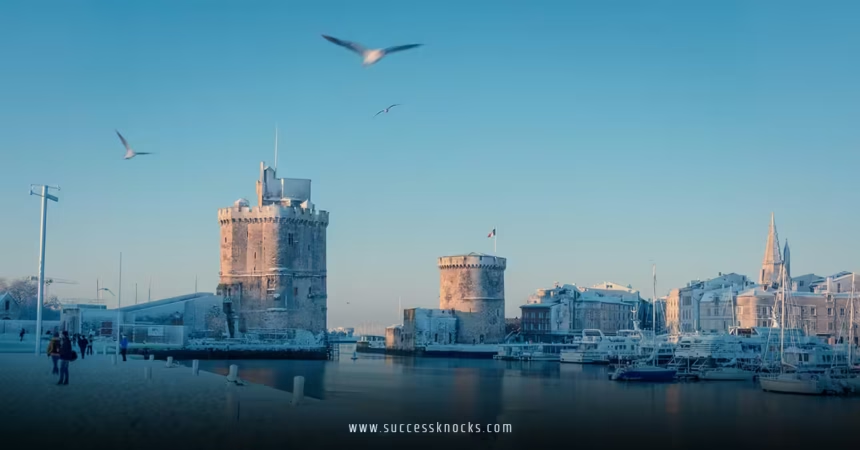
Europe winter historical tours January 2026 offer you a completely different way to experience the continent’s richest stories. Imagine wandering through ancient ruins dusted with frost, exploring grand palaces without the usual crowds, or stepping into medieval streets that feel like they’ve been waiting just for you. If you’ve ever dreamed of diving deep into history while the rest of the world stays home, Europe winter historical tours January 2026 are calling your name.
Why does January stand out? It’s the heart of low season. The holiday rush is over, prices drop, and iconic sites open up in ways they never do in summer. You get intimate moments with history—think standing alone in the Roman Forum or gazing up at Prague Castle under a light snowfall. Europe winter historical tours January 2026 let you connect with the past on a personal level, wrapped in that crisp winter magic that makes everything feel more alive.
Why Europe Winter Historical Tours January 2026 Are Perfect for History Lovers
Have you ever visited a famous site packed with tourists and felt like you couldn’t really feel the history? That’s what changes in January. Europe winter historical tours January 2026 give you breathing room. Fewer people mean guides can linger longer, share deeper stories, and answer all your questions without rushing.
The weather plays its part too. Northern and central Europe often get a light blanket of snow that turns castles and old towns into fairy-tale scenes. Southern destinations stay mild enough for comfortable walking tours. And let’s be honest—there’s something profoundly moving about seeing ancient stones against a gray winter sky. It feels authentic, like you’re seeing these places closer to how people experienced them centuries ago.
January 2026 also has a couple of special highlights. Oulu in Finland and Trenčín in Slovakia kick off their year as European Capitals of Culture right on January 1, bringing fresh events tied to heritage and history. Plus, with the Winter Olympics coming to Milan-Cortina in February, there’s extra buzz in Italy if you’re planning a multi-stop trip.
Top Destinations for Europe Winter Historical Tours January 2026
Ready to pick your adventure? Here are some of the best spots where Europe winter historical tours January 2026 truly shine.
Rome: Eternal City Without the Eternal Lines
Rome in January is pure magic for history buffs. The Colosseum, Roman Forum, and Pantheon feel almost private. You can spend real time imagining gladiators or senators without someone photobombing your moment.
Guided tours focus on ancient Rome’s highlights, often including skip-the-line access that’s barely needed this time of year. Many operators, like those featured on TourRadar, offer small-group winter itineraries that include the Vatican Museums—perfect when indoor time feels welcome on cooler days.
Picture this: crisp morning air as you walk the Appian Way, frost on ancient cobblestones, and barely another soul in sight. That’s the gift of Europe winter historical tours January 2026 in Rome.
Prague: A Fairy-Tale Castle in the Snow
Prague might just be the most photogenic city in winter. Snow on red rooftops, mist rising from the Vltava River, and Prague Castle glowing against the sky—it’s straight out of a storybook.
January tours often include the castle complex, Charles Bridge, and the Old Town’s astronomical clock. The Jewish Quarter’s historic synagogues and cemetery take on extra poignancy in the quiet winter light. Local guides love sharing legends of alchemists and emperors when groups are smaller.
If light snow falls while you’re crossing the bridge, you’ll understand why so many travelers say Europe winter historical tours January 2026 in Prague changed how they see history.
Vienna: Imperial Grandeur Meets Cozy Cafés
Vienna’s Habsburg legacy feels especially grand in winter. Schönbrunn Palace, Hofburg, and Belvedere Palace all offer tours that let you imagine life in the imperial court.
Many Europe winter historical tours January 2026 here include visits to the Spanish Riding School (if performances are scheduled) and the city’s incredible museums. When you need a break from the cold, duck into a traditional coffee house for hot chocolate and sachertorte—just like Viennese have done for centuries.
The city’s architecture looks even more dramatic against bare trees and occasional snow. It’s history you can feel in your bones.
Krakow and Auschwitz: Powerful and Profound
For many travelers, Krakow represents the most moving historical experience in Europe. The city’s beautifully preserved old town and Wawel Castle provide rich medieval and Renaissance history.
Day trips to Auschwitz-Birkenau are available year-round, and January’s quieter atmosphere allows for deeper reflection. Guides provide sensitive, thorough context that honors the site’s importance.
Europe winter historical tours January 2026 including Krakow often combine beauty with remembrance, creating journeys that stay with you long after you return home.
Berlin: Layers of History in the Cold Light of Winter
Berlin’s history spans centuries, and winter strips away distractions so you can focus on the stories. The Brandenburg Gate, Reichstag, and East Side Gallery take on extra weight under gray skies.
Top tours cover the Third Reich, Cold War sites, and the fall of the Berlin Wall. Museum Island’s world-class collections provide perfect indoor options when you want to warm up.
There’s something about walking Checkpoint Charlie in the cold that makes the past feel closer. Berlin in January is raw, real, and unforgettable.
Athens: Ancient Wonders in Mild Winter Sun
Want history without freezing? Athens delivers. January temperatures often hit the mid-50s°F, perfect for exploring the Acropolis and Ancient Agora comfortably.
The Parthenon against a clear winter sky is breathtaking, and sites are blissfully uncrowded. Many Europe winter historical tours January 2026 include Athens as a warm contrast to northern stops.
Museum visits—like the Acropolis Museum or National Archaeological Museum—feel luxurious when you have space to linger over ancient treasures.
Edinburgh: Scottish History Wrapped in Winter Mist
Edinburgh Castle perched on its rocky crag, mist rolling in from the sea—Scotland’s capital delivers drama in spades during winter.
Tours of the Royal Mile, castle, and underground vaults feel especially atmospheric when days are short and nights are long. January often brings frost that makes the stone city look timeless.
Whisky tastings and cozy pubs provide perfect winter warmth after days of historical exploration.
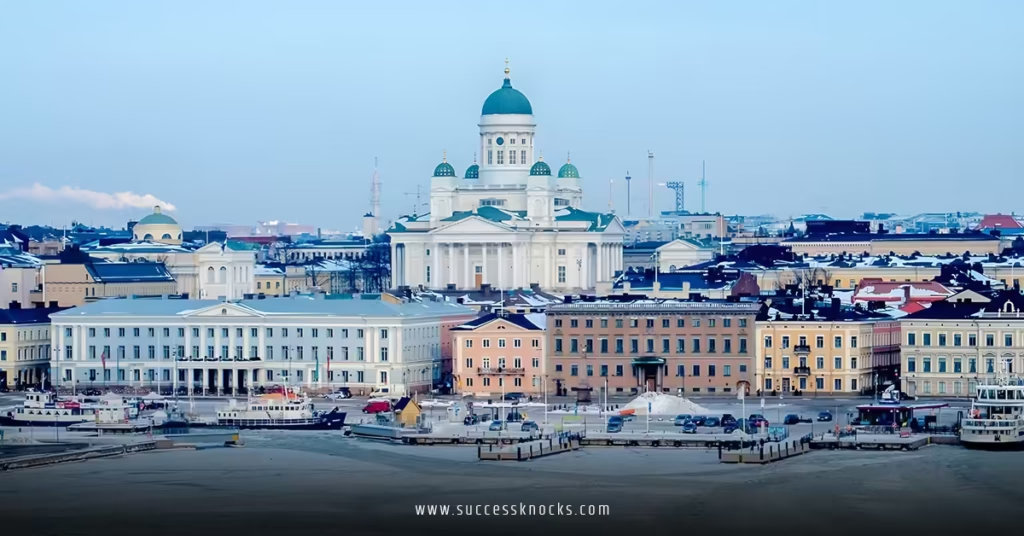
Planning Your Europe Winter Historical Tours January 2026
Booking early matters. While January is low season, the best small-group tours fill up. Check operators like Rick Steves Europe for thoughtfully designed winter itineraries focused on history.
Consider multi-city rail passes—Europe’s trains are efficient and scenic in winter. Flying into major hubs like Rome, Vienna, or Prague often gives the best connections.
Pack layers: thermal base layers, waterproof boots, warm hat and gloves, and a good coat. Many historical sites involve outdoor walking, so comfort is key.
What to Expect Weather-Wise on Europe Winter Historical Tours January 2026
Weather varies dramatically. Northern destinations like Prague or Berlin can dip below freezing with possible snow. Central Europe (Vienna, Budapest) hovers around freezing. Southern spots like Rome and Athens stay mild, often 45-55°F.
Pack for rain regardless—January can be wet in many areas. But don’t let weather scare you; it’s part of what makes winter travel special.
Making the Most of Europe Winter Historical Tours January 2026
Talk to your guides—they love sharing lesser-known stories when groups are small. Visit sites at opening or closing for the most magical light. Embrace indoor attractions: Europe’s museums are world-class and perfect for winter days.
Try seasonal foods—think hearty goulash in Prague, warming glühwein in Vienna, or fresh citrus in southern Italy. These flavors connect you to place and history in ways guidebooks never can.
Conclusion
Europe winter historical tours January 2026 offer something truly rare: the chance to experience the continent’s greatest historical treasures intimately, authentically, and without distraction. From Rome’s ancient stones to Prague’s fairy-tale castle, from Vienna’s imperial palaces to Berlin’s powerful reminders, January reveals Europe’s history in its purest form.
You’ll return home not just with photos, but with stories—moments when history felt alive because you had space to truly listen. If you’ve been waiting for the right time to dive deep into Europe’s past, this is it. Book your trip, pack your warm layers, and get ready for a winter journey you’ll never forget.
FAQs About Europe Winter Historical Tours January 2026
1. Is January really a good time for historical tours in Europe?
Absolutely. Europe winter historical tours January 2026 mean fewer crowds, lower prices, and often more atmospheric experiences at major sites. The quiet lets you connect more deeply with history.
2. Will many historical sites be closed in January?
Most major sites stay open year-round. Some smaller attractions or outdoor sites may have reduced hours, but this rarely affects main historical highlights on organized tours.
3. What’s the weather like for Europe winter historical tours January 2026?
It varies by region—cold and possibly snowy in the north/central areas, mild in the south. Layers are essential, but winter weather often enhances the historical atmosphere.
4. Are guided tours available for Europe winter historical tours January 2026?
Yes, many operators run excellent small-group tours in January, often with local expert guides who provide deeper insights in the quieter season.
5. Can I combine multiple countries on Europe winter historical tours January 2026?
Definitely. Europe’s efficient trains make multi-country historical itineraries easy and enjoyable in winter.