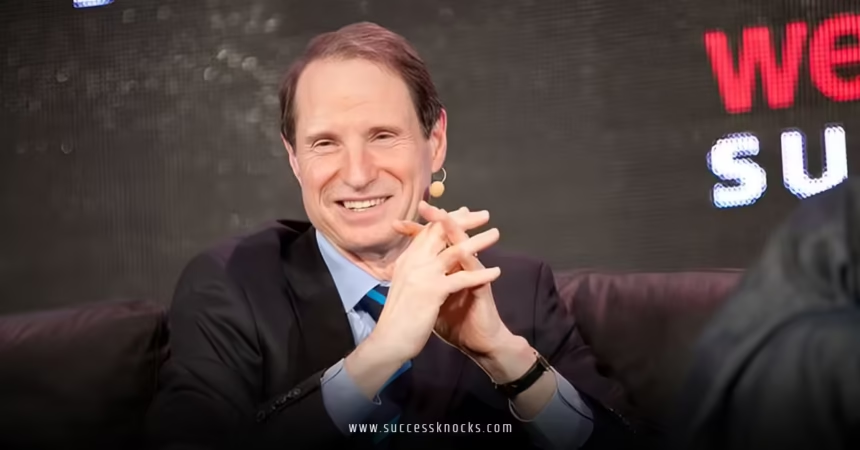
Ron Wyden CIA classified letter concerns have suddenly grabbed attention across political circles and beyond. On February 4, 2026, U.S. Senator Ron Wyden, a long-time member—and the longest-serving one—of the Senate Select Committee on Intelligence, sent a classified letter to CIA Director John Ratcliffe. Almost immediately, he followed it up with an unclassified note publicly alerting the director to his “deep concerns about CIA activities.”
This isn’t your everyday congressional correspondence. When a senator with Wyden’s experience and oversight role takes the unusual step of making such a move public, it raises eyebrows. Why go public about something classified? What could be so troubling that it demands immediate attention? Let’s dive into the details, explore the context, and unpack why these Ron Wyden CIA classified letter concerns are sparking serious discussion.
Who Is Senator Ron Wyden and Why Does His Voice Carry Weight?
You’ve probably heard of Ron Wyden if you follow privacy rights, surveillance, or intelligence matters. As an Oregon Democrat serving since 1996, he’s built a reputation as a fierce advocate for civil liberties in the shadowy world of national security.
Wyden sits on the Senate Intelligence Committee, where he has consistently pushed for transparency. Think about his past efforts: questioning drone strike policies, challenging bulk data collection programs, and demanding answers on warrantless surveillance. He’s not one to throw around alarms lightly—his track record shows a thoughtful, persistent approach to holding agencies accountable.
In the intelligence community, oversight relies on members like Wyden who can access classified info but still fight for public disclosure when possible. So when he flags “deep concerns,” it’s not hype; it’s a signal rooted in his deep institutional knowledge.
Breaking Down the Ron Wyden CIA Classified Letter Concerns
The core of Ron Wyden CIA classified letter concerns stems from that February 2026 exchange. In the unclassified cover letter, Wyden wrote directly to Ratcliffe: “I write to alert you to a classified letter I sent you earlier today, in which I express deep concerns about CIA activities.”
That’s it—no specifics leaked, no details spilled. The classified portion remains under wraps, following strict protocols. But the public nature of the alert is what makes this stand out. Senators rarely broadcast such warnings unless they feel a need to create a record or urge broader scrutiny.
This comes at a time when the intelligence community faces heightened scrutiny. Recent reports mention whistleblower complaints involving alleged political interference in intelligence handling, including restrictions on classified reports. While no direct link has been confirmed, the timing fuels speculation. Is Wyden reacting to internal mishandling, overreach, or something else entirely?
Imagine the intelligence world as a black box: information flows in, decisions happen behind closed doors, and the public gets only glimpses. Wyden’s action cracks that box open just enough to remind everyone that oversight exists for a reason.
Historical Context: Wyden’s Long Battle with CIA Transparency Issues
To understand Ron Wyden CIA classified letter concerns today, look back at his history. Wyden has repeatedly clashed with the CIA over secrecy.
Take the 2022 declassification of a letter he co-signed with Senator Martin Heinrich. It revealed a previously secret CIA bulk collection program under Executive Order 12333—not governed by congressional laws like FISA. The senators highlighted “serious problems associated with warrantless backdoor searches of Americans,” echoing privacy fears from NSA programs.
Earlier, in the mid-2010s, Wyden pressed former CIA Director John Brennan on improper searches of Senate files during the torture report investigation. He also sought legal opinions on targeted killings of U.S. citizens and pushed for clarity on computer fraud laws applying to the agency.
These examples show a pattern: Wyden uses his position to demand accountability when he believes the balance between security and liberty tips too far toward secrecy. The current Ron Wyden CIA classified letter concerns fit this mold—another push against opacity.
Why the Public Notification? Signaling Deeper Issues
Why make the unclassified letter public at all? That’s the question on many minds.
In intelligence oversight, members sometimes use public channels to create paper trails. It protects against claims of inaction and signals to colleagues, the media, and the public that something warrants attention. Wyden’s move could pressure the CIA for responses or declassification down the line.
Commentators have called it “chilling” precisely because Wyden avoids drama. He’s methodical, not theatrical. When he goes public, it’s often because internal channels aren’t moving fast enough. Could this tie into broader tensions in the intelligence community, like handling of whistleblowers or executive actions? The lack of details leaves room for reasoned speculation.
Think of it like a smoke alarm: you don’t ignore it just because you can’t see the fire yet. Wyden’s alert suggests there’s smoke, and ignoring it could be risky.
Implications for Privacy, Oversight, and National Security
Ron Wyden CIA classified letter concerns touch on bigger questions about how we balance security needs with democratic principles.
If the concerns involve surveillance overreach, Americans’ privacy could be at stake—echoing past debates over bulk data. If they relate to internal governance or politicization, it questions trust in the agency.
Strong oversight keeps agencies in check without hampering their mission. Wyden’s actions reinforce that Congress must actively monitor, especially when executive orders fill gaps left by outdated laws.
For everyday people, this matters because intelligence activities can impact civil liberties. Warrantless searches, data handling, or misuse of power affect everyone, not just targets abroad.
The Bigger Picture: Calls for More Transparency
Ultimately, Ron Wyden CIA classified letter concerns highlight the ongoing tension between secrecy and accountability. Wyden has long argued that excessive classification protects mistakes more than sources.
Greater transparency—through declassifications, public reports, or reformed oversight—could rebuild trust. It doesn’t mean exposing everything; it means sharing enough for informed debate.
As citizens, staying engaged with these issues ensures our representatives keep pushing for answers.
In wrapping up, Ron Wyden CIA classified letter concerns represent a serious flag from a respected oversight figure. While details remain hidden, the public alert underscores the need for vigilance in intelligence matters. Senator Wyden’s history suggests this isn’t alarmism—it’s a call for responsibility. Keep watching; transparency often follows persistent questions like these. What happens next could shape how we view security and liberty for years to come.
Here are three external links to high-authority websites for more context:
- U.S. Senator Ron Wyden’s Official Press Release on the Letter
- CIA’s Privacy and Civil Liberties Overview
- Senate Select Committee on Intelligence Official Page
FAQ :
What exactly are the Ron Wyden CIA classified letter concerns about?
The specific contents stay classified, but Senator Wyden expressed “deep concerns about CIA activities” in a letter to Director John Ratcliffe on February 4, 2026. The public unclassified note alerts to the classified one, without revealing details.
Why did Senator Wyden make part of the Ron Wyden CIA classified letter concerns public?
Publicizing the unclassified alert creates a record and signals potential issues needing attention. Wyden, known for transparency advocacy, likely aims to encourage scrutiny or responses.
How does this fit into Senator Wyden’s past work on intelligence issues?
Wyden has a track record of challenging CIA practices, like secret bulk collection and warrantless searches revealed in earlier declassified letters, showing consistent focus on oversight and privacy.
Could the Ron Wyden CIA classified letter concerns relate to whistleblower complaints?
Speculation exists due to timing with other intelligence whistleblower matters, but no confirmed connection. Wyden’s role on the Intelligence Committee positions him to address such issues.
What should the public do about Ron Wyden CIA classified letter concerns?
Stay informed through credible sources, support oversight efforts, and advocate for transparency in intelligence activities to ensure accountability.