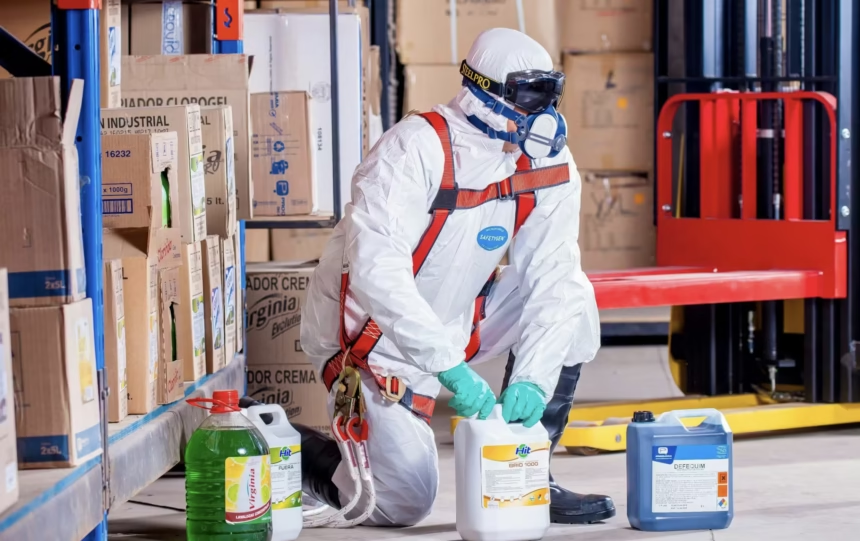
Taking Manufacturing Safety More Seriously: Manufacturing is an industry that has always involved a certain level of risk, heavy machinery, complex processes, and hazardous materials are all part of the job, after all. But, here’s the thing: just because a risk exists does not mean accidents are inevitable. A lot of incidents happen not because people don’t care, but because safety somehow ends up slipping down the priority ladder almost without anyone noticing. And that’s where problems start.
Why “Good Enough” Safety Isn’t Actually Good Enough
Some facilities operate under the mindset that if nothing bad has happened recently, then things must be fine. That kind of thinking can be dangerous. Ne rmisses, small leaks off noises, or minor injuries are often brushed off as no big deal. In reality, they are big glaring warning signs.
The fact of the matter is, safety systems need regular review, not just a one-time setup. Equipment ages, staff changes, and production times demand increase. If safety practices do not evolve alongside those changes, gaps begin to appear, sometimes quietly, sometimes all at once, and this can be a problem.
The Role of Planning and Risk Assessment
One of the most effective ways to prevent serious incidents is by identifying hazards before they cause any harm. That’s where structured assessments come in. A PHA process hazard analysis, for example, helps teams ot systematically evaluate what could go wrong in a process, why it might happen, and what the consequences could be.
This isn’t about paperwork for paperwork’s sake. When done properly, these analyses lead to real improvements like better controls, clearer procedures, and safer equipment layout. Skipping this step or rushing through it often means critical risks go unnoticed.
Training that actually sticks
Safety training should not feel like it’s just a box-ticking exercise. We’ve all sat through sessions that were forgettable five minutes after they ended, right? Effective training is practical, relevant, and ongoing, so that it is remembered by all.
Workers need to understand not just what the risks are, but why they matter too. Whenpeople dee how safety procedures protect them and their coworkers, compliance improves naturally. Regular refreshers, hands-on demos, and open discussions all help to keep safety top of mind, even during busy periods.
Creating a Culture Where Safety Is Spoken About
A strong safety culture is one that encourages people to speak up. If employees are afraid to report hazards or mistakes, issues will stay hidden until something goes wrong. That’s really not good for anyone.
Managers play a huge role here. When leadership listens, responds, and takes action, trust builds. Over time, safety becomes a shared responsibility rather than a set of rules handed down from above.
Maintenance, Monitoring, and Not Cutting Corners
Preventive maintenance is one of the most overlooked safety tools in
manufacturing. Machines that aren’t serviced properly are more likely to fail, sometimes in dangerous ways. Regular inspections, clear maintenance schedules, and accurate records help reduce unexpected breakdowns and injuries.
Whatever you do today, do not delay in improving your manufacturing safety!