

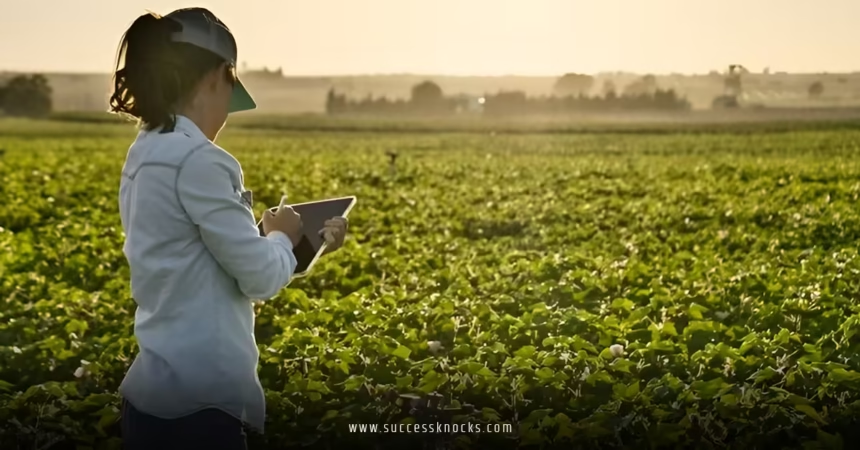
Yuma winter agriculture stands as one of the most remarkable feats in American farming, transforming a scorching desert landscape into America’s winter salad bowl every year from roughly November through March.
Imagine this: while much of the northern U.S. shivers under blankets of snow, vast emerald fields in southwestern Arizona burst with crisp romaine, iceberg, butter lettuce, spinach, broccoli, and more. This isn’t magic—it’s the result of perfect timing, ingenious irrigation, relentless innovation, and sheer hard work. Yuma County, Arizona, supplies roughly 90% of the leafy greens consumed nationwide during those chilly months, feeding millions from coast to coast.
If you’ve ever enjoyed a fresh salad in January or February, chances are high it started right here in the sun-drenched fields of Yuma winter agriculture. Let’s dive into what makes this region so extraordinary.
The Unique Climate That Powers Yuma Winter Agriculture
Yuma boasts over 300 sunny days annually, with mild winter temperatures hovering in the 60s to 80s°F during the day and cool nights that lettuce loves. Frost is rare, and the long daylight hours fuel rapid growth.
This climate flips the script on traditional farming seasons. When California’s Salinas Valley cools off, large operations literally pack up equipment and relocate south to Yuma—a massive seasonal migration that’s one of the biggest in U.S. agriculture. Farmers plant densely, harvest efficiently, and ship out over 1,500 truckloads of produce daily at peak times.
The result? A reliable supply of fresh, nutrient-packed greens when demand for healthy eating spikes but other regions can’t produce.
How Irrigation Makes Yuma Winter Agriculture Possible
No rain? No problem. Yuma’s lifeline is the Colorado River, delivering water through an ancient-yet-modern canal system dating back to Indigenous innovations and expanded in the early 20th century.
Gravity-fed irrigation floods fields precisely, while advanced techniques like laser-leveling, drip systems in some operations, and soil moisture sensors push efficiency sky-high. Studies show Yuma generates far more economic value per acre-foot of water—around $1,581—than the broader Colorado River Basin average.
This water-smart approach lets growers produce billions of pounds of lettuce and other veggies with minimal waste, proving desert agriculture can be sustainable when done right.
Key Crops Dominating Yuma Winter Agriculture
Lettuce reigns supreme, but the diversity surprises many:
- Romaine and iceberg — staples for Caesar salads and burgers nationwide.
- Leafy mixes, spinach, and kale — fueling the health-food boom.
- Broccoli, cauliflower, and other brassicas — adding variety.
- Herbs like cilantro and onions round out the mix.
During peak season, fields produce around 1 billion pounds of lettuce monthly. That’s staggering volume from roughly 180,000 acres of irrigated farmland.
The Economic Powerhouse Behind Yuma Winter Agriculture
Yuma’s farms aren’t just feeding people—they’re driving serious money. Recent University of Arizona studies peg agriculture and related agribusiness at $4.4 billion in economic contribution to Arizona (with billions staying local).
- Direct crop sales top $1.3 billion annually.
- The sector supports tens of thousands of jobs, from field workers to truck drivers, packers, and researchers.
- It accounts for a huge chunk of Arizona’s ag GDP and ranks Yuma third nationally for vegetable sales.
Every head of lettuce harvested ripples through the economy, creating stability in a region that might otherwise struggle in the desert heat.

Challenges Facing Yuma Winter Agriculture Today
No success story lacks hurdles. Labor shortages hit hard, with growers relying on seasonal H-2A workers amid national shortages affecting over 60% of production in recent years.
Water availability remains a hot topic as Colorado River levels fluctuate due to drought and climate pressures. Farmers adapt by squeezing more yield from every drop—using precision tech, better genetics, and multi-cropping.
Sustainability efforts shine here: reduced pesticide use, cover crops for soil health, and research from the University of Arizona Yuma Agricultural Center keep pushing boundaries.
Innovation and Sustainability in Modern Yuma Winter Agriculture
Tech is transforming the fields. Satellite imagery, drones, AI-driven irrigation, and automated sorting lines boost efficiency and cut waste.
Organic vs. conventional comparisons show both systems improving water productivity. Growers experiment with regenerative practices to build resilient soil in arid conditions.
These advances ensure Yuma remains competitive while addressing environmental concerns head-on.
Experiencing Yuma Winter Agriculture Firsthand
Want to see it up close? Events celebrate this heritage and connect consumers to the source.
One standout is the Yuma Lettuce Days festival Arizona 2026—a vibrant gathering (often tied to or similar to AGFest) highlighting fresh produce, chef demos, farm education, live music, and family activities. The 2026 edition of related festivities like Yuma AGFest is scheduled for January 24 in downtown Yuma, offering the perfect way to taste, learn, and appreciate the hard work behind your winter veggies.
It’s a fun, eye-opening experience that turns abstract stats into real people and plates.
Why Yuma Winter Agriculture Matters to You
Next time you grab a bag of salad greens in winter, remember: that freshness didn’t happen by accident. It came from a desert community turning challenges into abundance through smart farming, teamwork, and innovation.
Supporting Yuma means supporting food security, local economies, and sustainable practices in one of the toughest growing environments imaginable.
So here’s to the farmers, workers, and visionaries keeping America’s plates green all year long.
In summary, Yuma winter agriculture isn’t just impressive—it’s essential. From climate mastery and water efficiency to economic impact and ongoing innovation, this region proves that with ingenuity, even the desert can feed a nation. If you’re ever near Arizona in winter, swing by to witness it yourself. Your next salad will taste even better knowing the story behind it.
External high-authority links:
- Explore more on University of Arizona Cooperative Extension agriculture reports.
- Visit the official City of Yuma events page for festival updates.
- Learn about leafy greens safety and production at the Arizona Leafy Greens Marketing Agreement site.
Here are five quick FAQs:
What percentage of U.S. leafy greens does Yuma winter agriculture supply in winter?
Yuma winter agriculture provides about 90% of the leafy greens (including lettuce) consumed in the U.S. from November to March.
Why is Yuma ideal for winter agriculture?
Its mild desert winters, abundant sunshine (over 300 days/year), and reliable Colorado River irrigation create perfect conditions when northern farms are frozen.
What are the main challenges for Yuma winter agriculture?
Key issues include seasonal labor shortages, water supply concerns from the Colorado River, and adapting to climate variability—though growers continue innovating solutions.
How does Yuma winter agriculture impact the economy?
It generates billions in economic output (around $4.4 billion statewide contribution), supports thousands of jobs, and ranks high nationally for vegetable production value.
How can I learn more about or experience Yuma winter agriculture?
Attend events like the Yuma Lettuce Days festival Arizona 2026 or related celebrations such as AGFest, which showcase the region’s farming heritage through food, education, and fun.


