Lots of companies these days will try to set up some kind of business event. They’re looking towards big companies and industry giants that run their own conferences and keynotes. They want to be like them. But they know that, for now, they’ll just have to join the lower ranks of trade floors and business shows. They’re looking to build their way up.
And this is probably how it is for you. You want to get in front of your audience, just, there’s a bit of a problem: you’re not even sure where to start. After all, business events often appear complicated from the outside. Venues must be chosen, schedules planned, and invitations sent, all before anyone even walks through the door. It’s a lot to handle.
Because of this effort, many companies hesitate before hosting their own event. Yet the benefits often go far beyond a single gathering. Events can strengthen relationships, generate new opportunities, and create valuable marketing content that continues working long after guests leave. If it wasn’t worth the time, effort, and cost, then larger companies wouldn’t be hosting them. Smaller businesses wouldn’t be desperate to get invited to a trade floor.
So in this post ahead, we’ll explore the real advantages businesses gain from hosting events and how those benefits grow over time.
Why businesses hesitate before hosting their own event
Planning an event can feel like a lot of work. Budgets. Venues. Catering. Guest lists. Someone has to organize everything, and the pressure builds quickly. It’s easy to wonder if the effort will even pay off.
Many businesses hesitate because they worry about turnout or the overall impact. If only a handful of people show up, it can feel like wasted time and money. But the truth is that hosting an event creates opportunities that rarely happen in everyday business settings. When done well, an event becomes a powerful tool for relationship building, brand awareness, and new business opportunities.
Creating stronger relationships through real conversations
Online communication dominates modern business these days. Emails, messages, video calls, and social platforms keep everyone connected. Yet something important gets lost in the process. Personal connection.
When you’re speaking to others at business events, conversations unfold naturally. People relax. They share ideas, experiences, and challenges in ways that rarely happen through screens. These conversations often lead to partnerships, collaborations, and opportunities that would never appear in a standard inbox exchange.
Turning an event into a brand experience people remember
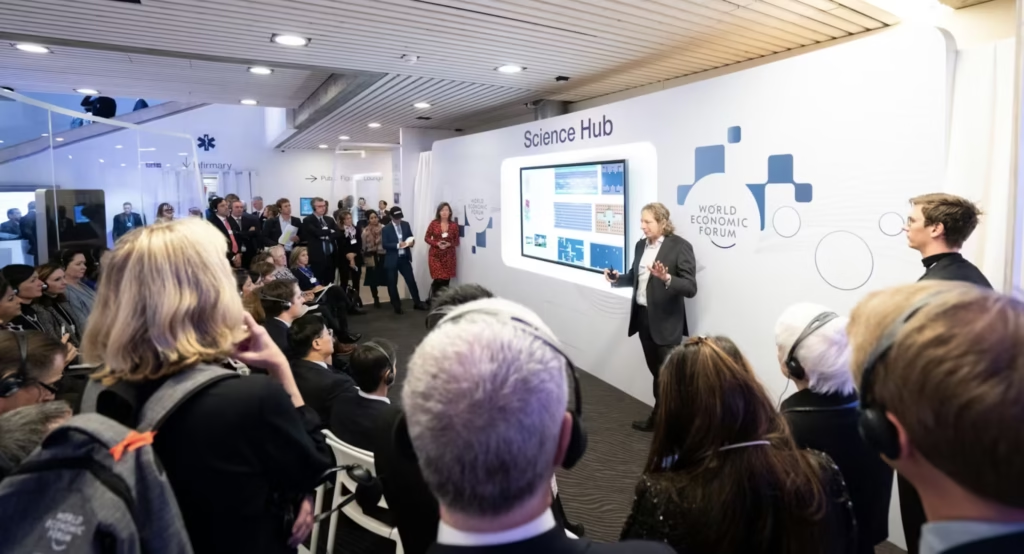
A well-organized event does more than gather people in one place. It creates an experience that reflects your brand’s personality and values. Guests remember how they felt during the event long after it ends.
That’s why many companies focus on designing a memorable business event rather than simply hosting a meeting or presentation. The environment, atmosphere, and small details shape the way people remember your company. When guests leave feeling energized and inspired, your brand stays in their mind far longer than a typical marketing message.
It’s also helpful to make sure that you are careful about where you host your event. A lot of this can have something to do with the incentive for people to work for your company. Corporate incentive travel can be a really powerful way to ensure that this happens, especially if it combines with a corporate event in the right area that people will love.
Generating content that keeps working after the event ends
Events don’t stop providing value once the lights go down. In fact, the content created during the event can fuel marketing efforts for weeks or even months afterward.
Photos, videos, guest quotes, and behind-the-scenes moments give your business a wealth of material to share online. This is also a reminder to take social media more seriously when planning an event. Live posts, event highlights, and attendee reactions help extend the experience far beyond the room itself.
Not only will you personally have plenty of media to share and use for content purposes, but people that attend your show will also be spreading media. Just think of all the influencer interviews and highlights. Plenty of content to help you grow and get noticed.
Measuring the real value behind your event investment
One question always comes up during event planning: is the investment actually worth it? It’s a simple question, but an important one nonetheless because you’ll likely be investing a large chunk of capital into the event. That’s why calculating the ROI on a business event becomes an important part of the process. But measuring success isn’t always limited to immediate sales.
Brand visibility, new relationships, social media engagement, and future opportunities all contribute to the overall return. An event might generate its biggest results months later through partnerships or referrals. It takes time, but it’s worth it.
Creating shareable moments that amplify your brand
Modern events often include interactive features that guests genuinely enjoy. These experiences encourage attendees to capture moments and share them with their networks, expanding the event’s reach.
These days, many businesses include corporate photo booth activations during events. They provide a fun way for guests to take photos while subtly reinforcing the company’s branding. These moments create natural promotion. Attendees share their experiences, introducing your brand to audiences who weren’t even present.
There’s also something in it for them, especially if they’re influencers that make a living from creating unique and interesting content. As such, be open to people who are walking around with film crews. Show them something cool. Explain your ideas. People love to see underdog stories as well, so it’s perfect if you’re fresh to the industry.
Turning connections into long-term opportunities
The real value of events often appears after everyone leaves. Contacts are exchanged. Conversations continue. Ideas start turning into real collaborations. This is where follow up after networking events becomes incredibly important. A quick message, a shared resource, or a friendly reminder of the conversation helps strengthen the connection.
Many businesses miss this step. But thoughtful follow-up often transforms a simple introduction into a lasting professional relationship. Even if you’re just leaving a business card with someone or giving them an email a week later, any point of contact can help continue the conversation you had.
Just keep in mind that things like this do have an expiry date. Leave it too late, and the person you spoke to has already found an alternative. That’s a lost sale, one that you could have likely easily capitalized on were you faster. Just remember that time is of the essence following an event, and you can’t leave these things too late.