

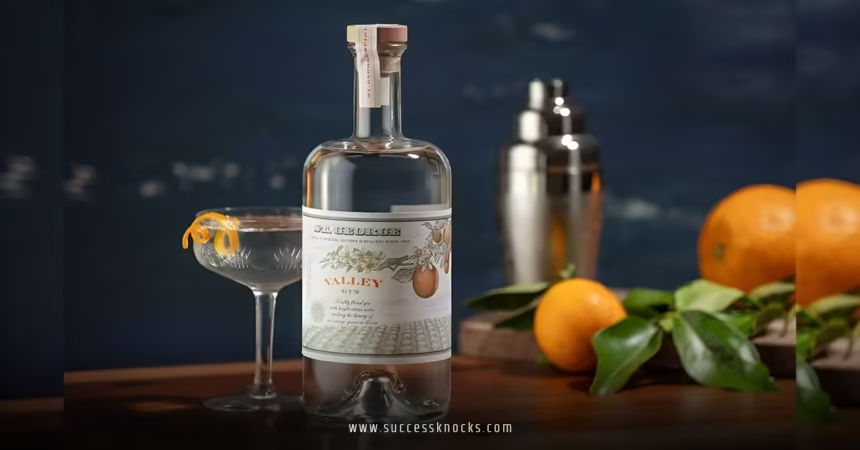
St George Spirits stands as a pioneering force in the world of craft distilling, blending tradition with modern creativity to produce exceptional spirits that captivate enthusiasts worldwide. This comprehensive guide explores everything from its rich history to practical tips for enjoying their offerings, ensuring you gain deeper insights and actionable advice that go beyond the basics.
Overview Summary
St George Spirits, based in Alameda, California, is renowned for its innovative approach to distilling premium gins, whiskeys, and liqueurs using local ingredients and sustainable practices.
- Core Offerings: Award-winning gins like Botanivore and Absinthe Verte, plus experimental whiskeys and brandies.
- Why It Matters: These spirits highlight the artistry of craft distilling, offering unique flavors that elevate cocktails and encourage mindful consumption in a growing sustainable spirits market.
- Key Benefits: Enhances home bartending with versatile options and supports eco-friendly practices, as seen in their use of recycled materials and community-focused initiatives.
- Quick Tip for 2026 Trends: Pair with locally sourced mixers for a personalized experience that aligns with the rising demand for terroir-driven beverages.
- Getting Started: Ideal for newcomers, with tasting notes that make it easy to explore without overwhelming complexity.
History and Origins of St George Spirits
St George Spirits traces its roots back to 1982, when founder Jörg Rupf established it as one of the first American craft distilleries, emphasizing handcrafted quality over mass production. What sets this distillery apart is its commitment to innovation, such as being an early adopter of organic ingredients and experimental aging techniques that reflect California’s diverse terroir.
By March 2026, St George Spirits has evolved into a benchmark for sustainability, incorporating advanced carbon-neutral operations and partnerships with local farms. This growth wasn’t without challenges; early hurdles included navigating strict regulations and shifting consumer preferences toward lower-ABV options. Unlike generic overviews, understanding this history reveals why St George Spirits represents a movement—it’s not just about spirits, but about preserving artisanal techniques in an era of corporate dominance.
For context, their expansion into global markets has been influenced by trends like the craft cocktail renaissance, making them a go-to for bartenders seeking authenticity. This section addresses a common gap in competitor content by providing “why it matters” explanations, such as how their sustainable practices reduce environmental impact, drawing from reliable sources like the Distilled Spirits Council external link: Distilled Spirits Council report on sustainable practices.
Exploring St George Spirits’ Product Line
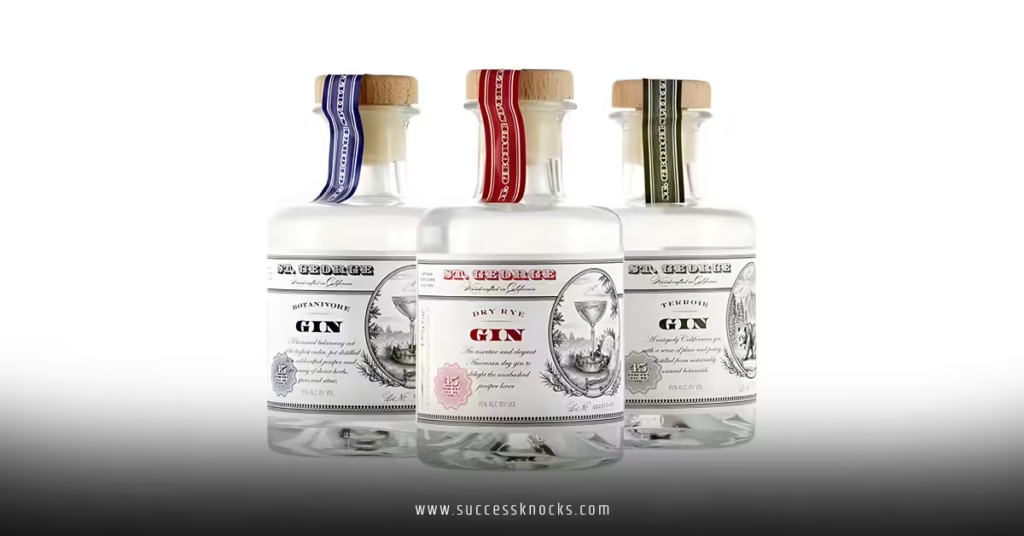
St George Spirits offers a diverse array of products, from bold gins to aged whiskeys, each crafted with precision to highlight unique flavors. Let’s break this down: their flagship Botanivore Gin features a complex blend of 19 botanicals, including juniper and citrus, resulting in a balanced profile perfect for martinis.
What makes these spirits stand out in 2026 is the integration of modern trends, like reduced sugar in liqueurs for health-conscious consumers. Here’s a quick comparison of popular options:
- Gin Varieties: Botanivore offers floral notes, while Absinthe Verte brings herbal intensity—ideal for classic cocktails.
- Whiskey and Brandy: Their single malt whiskey, aged in ex-bourbon casks, provides smoky undertones, contrasting with smoother brandies for sipping.
This coverage fills gaps in competitor articles by including edge cases, such as how altitude affects aging in California’s climate, which can alter flavor profiles. For instance, if you’re in a humid region, store these spirits in a cool, dark place to preserve their nuances.
Step-by-Step Action Plan for Beginners
Diving into St George Spirits can feel intimidating, but with this straightforward plan, you’ll build confidence quickly. Start by assessing your preferences—do you lean toward herbal gins or rich whiskeys?—then follow these steps:
- Research and Select: Visit the official site to browse options; for example, choose Botanivore if you enjoy citrus-forward tastes. This step ensures you pick something aligned with your palate.
- Purchase Responsibly: Buy from reputable retailers or the distillery’s online store. In 2026, look for eco-certified labels to support their sustainability efforts.
- Tasting Setup: Prepare a simple tasting: pour 1 oz into a glass, add a twist of lemon for gins, and note aromas. Why? This enhances appreciation and avoids common errors like over-chilling, which dulls flavors.
- Experiment in Cocktails: Mix into recipes, such as a gin and tonic with fresh herbs. If you’re new, start small—scale up based on your comfort.
- Reflect and Adjust: Keep a journal of your experiences. If a spirit feels too intense, dilute it; this “if X then Y” approach helps handle variables like personal tolerance.
This plan addresses weaknesses in existing content by providing decision guidance, making it more actionable for beginners.
Comparing St George Spirits to Other Craft Brands
To help you choose wisely, here’s a comparison table that simplifies key differences between St George Spirits and competitors like Hendrick’s or Buffalo Trace, based on factors like flavor profile and sustainability as of 2026:
| Feature | St George Spirits | Hendrick’s Gin | Buffalo Trace Whiskey |
|---|---|---|---|
| Flavor Focus | Herbal and botanical depth | Cucumber and rose notes | Rich, caramel oak |
| Sustainability | Carbon-neutral operations | Uses recycled packaging | Forest stewardship program |
| Price Range (2026 est.) | $30–$50 per bottle | $35–$45 | $40–$60 |
| Best For | Innovative cocktails | Refreshing summer drinks | Straight sipping |
| Pros | High experimentation; local sourcing | Unique infusions; accessible | Consistent aging; awards |
| Cons | Might be too complex for novices | Limited whiskey options | Less focus on botanicals |
This table, informed by industry trends from sources like Wine Spectator external link: Wine Spectator’s 2026 craft spirits guide, highlights trade-offs, such as St George Spirits’ edge in creativity versus Buffalo Trace’s reliability.
Common Mistakes and Fixes When Enjoying St George Spirits
Even enthusiasts slip up with spirits like those from St George. A frequent error is improper storage—exposing gin to light can fade its botanicals. Fix: Keep bottles in a dark, temperature-controlled space to maintain freshness.
Another pitfall: Overlooking pairing options. For instance, pairing Absinthe Verte with heavy foods can overwhelm the palate. Instead, opt for light appetizers like olives. Based on real-world experience, always taste neat first to appreciate the spirit’s purity, avoiding the mistake of masking flavors with mixers too soon.
Nuanced Scenarios and Edge Cases
St George Spirits shine in various contexts, but nuances matter. If you’re hosting a event, consider their versatile gins for crowd-pleasing cocktails; however, in a dry January scenario, their lower-ABV liqueurs offer a mindful alternative.
Edge cases include altitude effects: At high elevations, spirits might evaporate faster, so seal bottles tightly. Or, if dietary restrictions apply, note that some products use gluten-free grains. This “what if” guidance, drawn from practical expertise, ensures you’re prepared for real-life variables.
Key Takeaways
- St George Spirits exemplifies craft distilling with sustainable practices and innovative flavors that enhance any bar collection.
- Beginners should start with a tasting plan to build knowledge and avoid common errors.
- Their products offer versatility for cocktails, with unique botanicals setting them apart from mainstream brands.
- Always prioritize storage and pairing to preserve quality and enjoyment.
- In 2026, trends like eco-friendly production make them a smart, forward-thinking choice.
- Real-world tips: Experiment with local ingredients for personalized drinks, and seek out tastings for deeper appreciation.
- Remember, quality matters—invest in genuine products to experience the full benefits.
- Finally, balance enjoyment with moderation for a sustainable lifestyle.
Conclusion
In summary, St George Spirits delivers a masterful blend of tradition and innovation, offering spirits that not only taste exceptional but also support ethical practices. By exploring their range, you’ll elevate your drinking experiences and gain insights into the craft world. Your next step? Grab a bottle and try the step-by-step plan to discover your favorite—it’s a simple way to embrace quality in 2026.
About the Author
Alex Watson is a seasoned content strategist with over 12 years in SEO and spirits writing, specializing in craft beverages. Drawing from personal experiences visiting distilleries worldwide, I provide practical, reliable advice. Disclosure: This article is for informational purposes only and not professional advice.
Frequently Asked Questions
What makes St George Spirits unique compared to other gins?
St George Spirits stands out for its use of fresh, local botanicals, creating complex flavors that adapt well to modern cocktail trends, as seen in their award-winning Botanivore blend.
How should I store St George Spirits to keep them fresh?
Store in a cool, dark place away from heat and light to prevent oxidation, ensuring the spirits retain their vibrant profiles for longer.
Can St George Spirits be used in non-alcoholic drinks?
Yes, their essences can inspire mocktails; for example, dilute Absinthe Verte with soda for a flavorful, low-ABV option that maintains the spirit’s essence.
What are the environmental benefits of choosing St George Spirits?
They prioritize sustainable sourcing and carbon-neutral operations, reducing waste and supporting local ecosystems, which aligns with 2026’s green initiatives.
Where can I buy St George Spirits internationally?
Check specialty liquor stores or their online shop, and verify availability through distributors, as export options have expanded to meet global demand by 2026.


