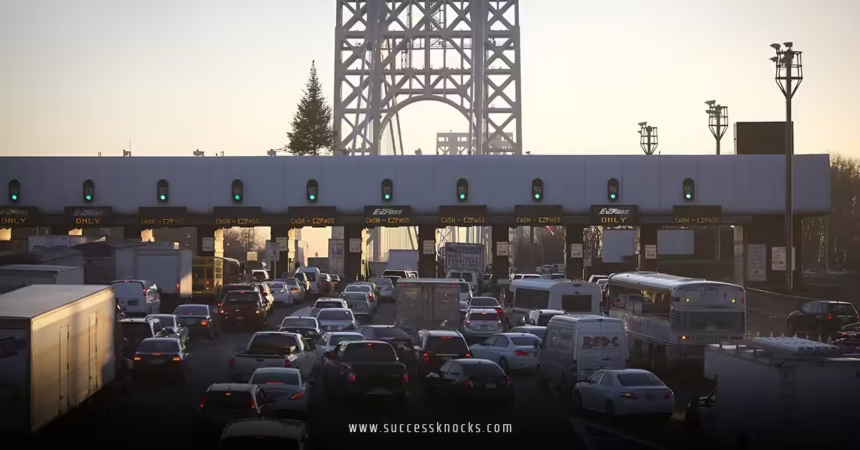
George Washington Bridge traffic can turn a simple drive across the Hudson River into a frustrating ordeal that eats up hours of your day. Whether you’re commuting daily from New Jersey into Manhattan or heading out for a weekend getaway, understanding the ins and outs of George Washington Bridge traffic helps you plan smarter and stress less. I’ve crossed this iconic span more times than I can count, and trust me, a little insider knowledge goes a long way.
This massive suspension bridge, connecting Fort Lee, New Jersey, to the Washington Heights neighborhood of New York City, carries over 100 million vehicles every year. That makes it the busiest motor vehicle bridge in the world. No wonder George Washington Bridge traffic often feels like a chaotic river of cars, trucks, and buses flowing—or crawling—across 14 lanes on its upper and lower decks.
In this guide, we’ll dive deep into what causes the backups, how to check real-time conditions, smart ways to beat the congestion, toll details, ongoing construction impacts, and practical tips to make your crossing smoother. Let’s get you prepared so the next time you face George Washington Bridge traffic, you’re in control.
Why George Washington Bridge Traffic Is So Intense
Picture this: the George Washington Bridge stands as an engineering marvel, designed by Othmar Ammann and opened in 1931. Back then, it handled a fraction of today’s volume. Fast forward to now, and you’re looking at roughly 280,000 to 300,000 vehicles daily. That’s like an entire small city rolling across the Hudson every single day.
George Washington Bridge traffic spikes for obvious reasons. It’s a critical link in the Interstate 95 corridor, funneling traffic between the Northeast’s major population centers. Commuters from Bergen County and beyond pour into New York City for work, while trucks haul goods up and down the East Coast. Add in tourists, weekend warriors, and holiday travelers, and you’ve got a perfect storm.
The bridge’s design adds to the challenge too. With 14 lanes total—eight on the upper level and six on the lower—capacity seems huge until you factor in merges from multiple highways like Route 4, Route 46, and the Palisades Interstate Parkway. Bottlenecks form easily, especially where lanes converge or diverge near the toll plaza (which is now cashless, by the way).
Weather plays a sneaky role as well. Rain, snow, or high winds can slow things down dramatically on this exposed span. And don’t get me started on accidents—one fender-bender can ripple delays for miles. Have you ever sat idling on the approach, watching the Manhattan skyline tease you just out of reach? That’s the reality of George Washington Bridge traffic on a bad day.
Understanding Peak Hours and Daily Patterns in George Washington Bridge Traffic
If you’re wondering when George Washington Bridge traffic hits its worst, the answer is classic rush hours, but with some twists. Weekday mornings from about 6 AM to 10 AM see heavy eastbound flow into New York as commuters flood the city. Evenings from 4 PM to 8 PM reverse that pressure, with folks heading back to New Jersey.
But here’s something interesting: weekends can be just as brutal, especially Sunday evenings when people return from weekend trips. Fridays often bring early afternoon buildups as the workweek ends. Late nights and very early mornings (think 10 PM to 5 AM) usually offer the lightest George Washington Bridge traffic, with crossing times dropping to just a few minutes.
Traffic patterns shift seasonally too. Summer brings more leisure drivers, while winter storms can shut things down or force single-lane creeping. Holidays like Thanksgiving or the Fourth of July amplify everything—plan accordingly or you’ll regret it.
One analogy that sticks with me: George Washington Bridge traffic is like a crowded subway platform during rush hour, but on wheels. Everyone wants on or off at the same time, and there’s only so much space. Monitoring patterns helps you time your trip better.
Real-Time Tools to Monitor George Washington Bridge Traffic
You don’t have to guess anymore. Plenty of excellent tools give you live updates on George Washington Bridge traffic.
The official Port Authority of New York and New Jersey (PANYNJ) website offers crossing times, showing estimated minutes to cross in both directions, along with current speeds. Their CrossingTime app is a game-changer—download it for iOS or Android to see real-time travel times compared to normal conditions. It covers the George Washington Bridge plus other crossings.
Apps like Waze and Google Maps shine here too. They crowdsource data from drivers, alerting you to accidents, construction, or slowdowns on George Washington Bridge traffic. Set your route to include the bridge, and these tools reroute you dynamically if things get ugly.
Live traffic cameras provide visual confirmation. Webcams from the New Jersey side in Fort Lee or the New York approach let you eyeball the flow before leaving home. YouTube even has dedicated live streams of the George Washington Bridge for a bird’s-eye view.
For alerts straight to your phone, sign up for PANYNJ notifications. They’ll text you about incidents affecting George Washington Bridge traffic, like lane closures or vehicle fires. Staying informed turns reactive frustration into proactive planning.
Tolls, Payments, and How They Influence George Washington Bridge Traffic
Tolls definitely play a part in managing George Washington Bridge traffic. Tolls apply only eastbound into New York—heading west to New Jersey is free. As of recent updates, cashless tolling is fully in place. No more booths; cameras read your license plate or E-ZPass tag and bill you later.
Rates vary by time of day with peak pricing to encourage off-peak travel. For a standard car with E-ZPass:
- Peak hours (weekdays 6-10 AM and 4-8 PM; weekends 11 AM-9 PM): around $16-17
- Off-peak: lower, often $14-15
- Tolls by Mail (no tag): higher, up to $23 or so
Carpools with three or more might qualify for discounts. Always check the latest on the PANYNJ site because rates adjust. E-ZPass saves you significantly and speeds things up by letting you zip through without slowing for scanners.
This variable pricing subtly eases George Washington Bridge traffic by nudging some drivers to shift their times. If you’re flexible, traveling off-peak can save money and sanity.
Construction and Its Impact on George Washington Bridge Traffic
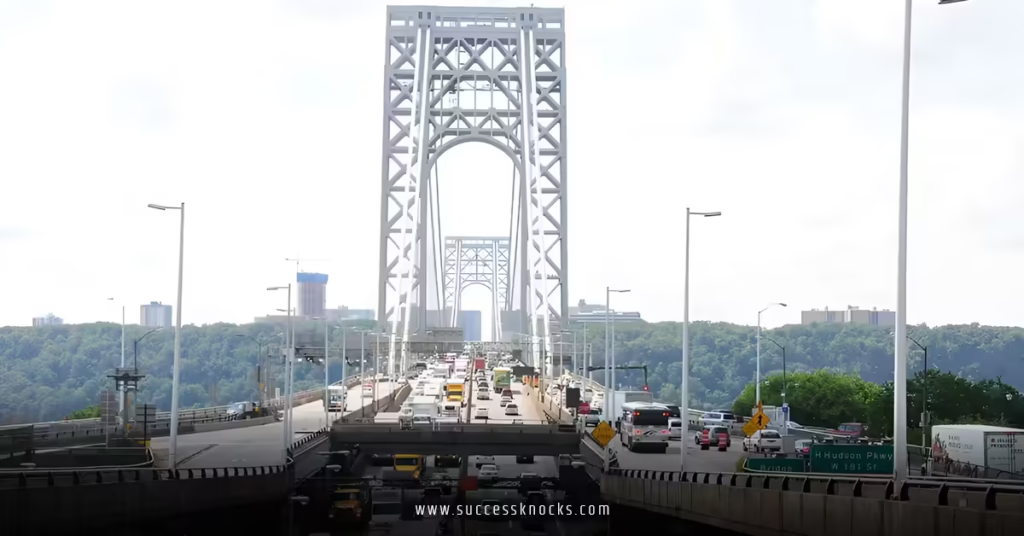
Ongoing work keeps the bridge in top shape but inevitably affects George Washington Bridge traffic. The massive “Restoring the George” program, a multi-billion-dollar effort, includes replacing suspender ropes, rehabilitating main cables, and upgrading pedestrian and bike paths. Much of this runs through 2026 and beyond.
You’ll see overnight lane closures, especially for steel repairs and joint replacements. Sometimes three lanes close on the New York-bound side. Approach roads, like the Center Avenue overpass, face restrictions through September 2026. Always check the planned weekly construction page on PANYNJ for specifics—weather can shift schedules.
These projects mean occasional delays, but they’re necessary. The bridge opened in 1931; keeping it safe for another century requires investment. In the meantime, expect occasional bumps in George Washington Bridge traffic during work windows. Plan extra time or travel outside overnight hours when possible.
Smart Strategies to Beat George Washington Bridge Traffic
Nobody enjoys sitting in gridlock. Here are battle-tested ways to outsmart George Washington Bridge traffic.
First, time it right. Aim for before 6 AM or after 8 PM on weekdays if your schedule allows. Midday between rushes can surprise you with lighter flow. Weekends? Early mornings or post-lunch slots often work better.
Second, use technology aggressively. Combine Waze with the CrossingTime app. If George Washington Bridge traffic shows red, consider alternatives.
Third, carpool or use buses. Express buses from New Jersey to Manhattan skip much of the hassle, and HOV lanes (where available) can help.
Fourth, prepare your vehicle and mindset. Keep your tank full, have snacks and water, and download offline maps just in case. Treat delays as an opportunity to listen to a podcast or call a friend—turning frustration into productive time.
One metaphor I like: navigating George Washington Bridge traffic is like playing chess against thousands of other drivers. Anticipate moves, use your tools, and sometimes sacrifice a bit of time for a better route.
Alternative Routes When George Washington Bridge Traffic Is Brutal
Sometimes the best move is avoiding the bridge altogether. If George Washington Bridge traffic looks horrendous, consider these options:
- Lincoln Tunnel or Holland Tunnel further south for Manhattan-bound trips, though they have their own congestion.
- Goethals Bridge or Outerbridge Crossing to Staten Island, then up through Brooklyn and Queens (longer but sometimes faster).
- Taking the Palisades Interstate Parkway north and looping around via other crossings, depending on your destination.
- For local trips, surface streets or public transit like the PATH train or NJ Transit buses can bypass the mess.
Weigh the extra miles against time saved. Apps will often suggest these automatically when George Washington Bridge traffic spikes.
Pedestrians, Cyclists, and Non-Vehicle Options Amid George Washington Bridge Traffic
Not everyone drives. The George Washington Bridge offers pedestrian and bicycle paths, providing a car-free way to cross while enjoying stunning views. The north walkway is currently upgraded and wider, with the south side improving through 2026-2027. It’s a refreshing alternative when vehicle George Washington Bridge traffic grinds to a halt.
Note restrictions: no motorized vehicles on paths, and hours may apply. It’s a great option for fitness enthusiasts or those combining transit with a scenic walk.
Staying Safe in Heavy George Washington Bridge Traffic
Safety first, always. In stop-and-go George Washington Bridge traffic, maintain following distance, avoid distractions, and watch for aggressive drivers. Trucks have height and weight limits—know them if you’re hauling anything.
Emergency shoulders exist but use them only when necessary. If stranded, call for help and move to safety. PANYNJ and local authorities monitor closely, but your vigilance matters most.
Conclusion: Mastering George Washington Bridge Traffic for Smoother Journeys
George Washington Bridge traffic doesn’t have to ruin your day. By understanding its patterns, leveraging real-time tools, timing your trips wisely, accounting for tolls and construction, and knowing when to detour, you can navigate this vital crossing with far less headache. The bridge connects two dynamic states and millions of lives—respect its power, prepare thoroughly, and you’ll cross confidently every time.
Whether you’re a daily commuter or occasional traveler, small changes in habits yield big rewards in time, money, and peace of mind. Next time you approach those iconic towers, remember: knowledge turns chaos into manageable flow. Safe travels!
External Links:
- Port Authority of New York and New Jersey Official George Washington Bridge Page
- CrossingTime App for Real-Time Conditions
- Restoring the George Rehabilitation Program
FAQs About George Washington Bridge Traffic
What is the typical wait time during peak George Washington Bridge traffic?
Peak George Washington Bridge traffic can mean 30-60+ minute delays during rush hours, but off-peak crossings often take just 5-15 minutes. Check apps for current estimates, as incidents change things quickly.
How can I check live George Washington Bridge traffic before leaving?
Use the PANYNJ CrossingTime app, Waze, or the official website for real-time crossing times, speeds, and alerts on George Washington Bridge traffic. Live webcams also provide visual updates.
Does construction always affect George Washington Bridge traffic?
Yes, ongoing rehabilitation work through 2026-2027 often involves overnight lane closures that impact George Washington Bridge traffic. Review weekly construction schedules to avoid surprises.
Are there ways to save money on tolls amid George Washington Bridge traffic?
Absolutely—use E-ZPass for discounts, travel off-peak, and consider carpools. Tolls by Mail costs more, so tagging up reduces expenses when facing George Washington Bridge traffic.
What alternatives exist if George Washington Bridge traffic is too heavy?
Try the Lincoln or Holland Tunnels, or longer routes via Staten Island bridges. Public transit or timing your trip differently often beats sitting in heavy George Washington Bridge traffic.