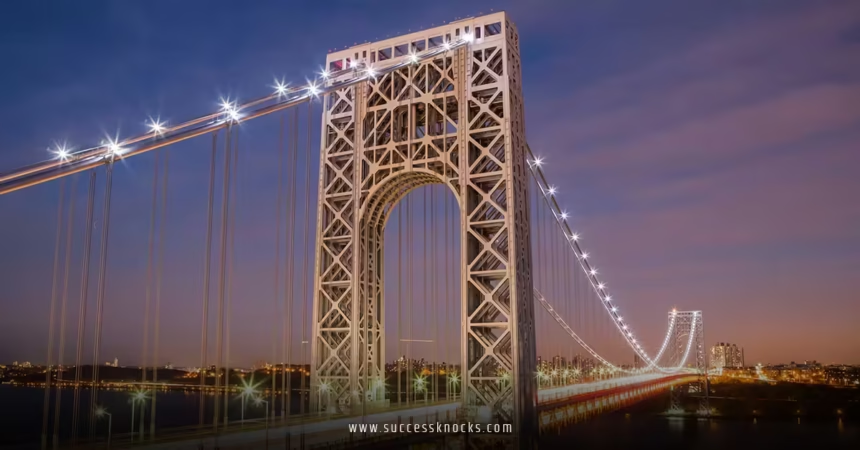
If you’re tired of staring at brake lights while the Manhattan skyline taunts you from a distance, you need to know the best times to cross the George Washington Bridge. This iconic span carries hundreds of thousands of vehicles daily, and picking the right window can shave 30–90 minutes off your trip — or more on a bad day.
In this complete guide, we’ll break down exactly when George Washington Bridge traffic flows smoothly and when it turns into a parking lot. We’ll cover weekday patterns, weekend realities, how toll pricing affects your decision, the impact of ongoing construction, and pro tips to make every crossing faster. Plus, I’ll link you straight to real-time tools so you never guess again.
Ready to stop wasting hours in George Washington Bridge traffic? Let’s dive in.
Why Timing Matters So Much on the George Washington Bridge
The George Washington Bridge isn’t just busy — it’s the busiest motor vehicle bridge on the planet, moving over 280,000–300,000 vehicles every day. That volume means even small disruptions snowball fast.
Eastbound traffic (into New York) feels the heaviest pressure because it’s the main gateway from New Jersey suburbs into Manhattan and beyond. Westbound (back to Jersey) has its own headaches during evening commutes. Construction, accidents, weather, and holidays all pile on top of the normal flow.
The good news? The patterns are surprisingly predictable once you understand them. Learning the best times to cross the George Washington Bridge turns guesswork into strategy — and saves you time, fuel, and sanity.
Weekday Best Times to Cross the George Washington Bridge
Morning Rush (Worst: 6 AM – 10 AM)
The absolute peak hits between 7 AM and 9:30 AM on weekdays. If you can avoid crossing eastbound during this window, do it. Many commuters report that leaving by 5:30 AM or earlier gets them over with minimal delay. After 10 AM, things start to ease noticeably.
Midday Sweet Spot (One of the Best Windows)
The hours between 10 AM and 3 PM often deliver the smoothest rides on weekdays. Traffic is lighter than rush hours but still moving well. Crossing times frequently drop to 5–15 minutes instead of 30–60+ during peaks. If your schedule is flexible, this is pure gold.
Evening Rush (Worst: 4 PM – 8 PM)
The afternoon/evening crunch mirrors the morning. Westbound traffic (back to New Jersey) gets slammed hardest from 4 PM onward. Try to cross before 4 PM or wait until after 8 PM if you’re heading west.
Overnight & Early Morning (The Real Winners)
Want the absolute best times to cross the George Washington Bridge with almost no stress? Aim for 8 PM to 5 AM. Many drivers swear by the 10 PM – 5 AM window, when you can often sail across at highway speeds. It’s quiet, calm, and crossing times regularly fall under 10 minutes.
Pro tip: If you’re a night owl or early bird, these hours are magical — fewer cars, fewer trucks, and far less frustration from George Washington Bridge traffic.
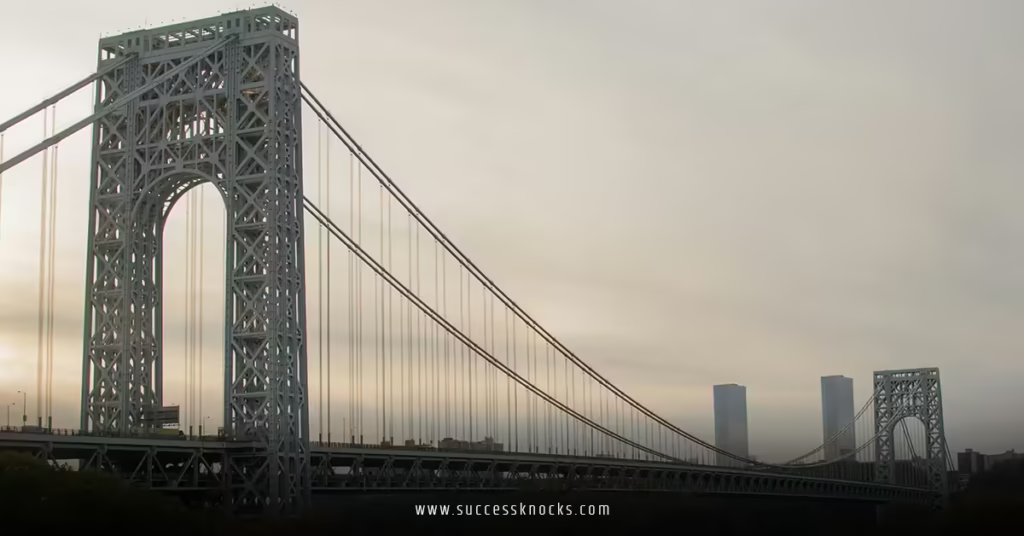
Weekend Best Times to Cross the George Washington Bridge
Weekends follow a different rhythm:
- Saturday & Sunday Mornings (Before 11 AM): Often excellent, especially before 9–10 AM. Sunday mornings can feel surprisingly light.
- Midday Buildup (11 AM – 6 PM): Traffic ramps up around 11 AM and peaks in the early-to-mid afternoon (around 2 PM). Avoid if possible.
- Late Afternoon/Evening: Things usually clear after 6 PM, making post-6 PM a decent option for heading in either direction.
If you’re traveling for leisure, hitting the bridge before noon on weekends is one of the smarter best times to cross the George Washington Bridge without fighting heavy leisure traffic.
How Peak vs Off-Peak Tolls Influence Your Timing
Tolls are collected only eastbound (into New York), and rates changed in January 2026. Peak pricing encourages smarter scheduling:
- Peak Hours (higher toll): Weekdays 6–10 AM & 4–8 PM; Weekends 11 AM–9 PM
- Off-Peak Hours (lower toll): Everything else
With E-ZPass, you’ll pay noticeably less outside peak windows. Traveling during off-peak not only saves money but also lines up perfectly with the best times to cross the George Washington Bridge when volume is lighter.
Carpools (3+ people) can get discounts during peak hours too — another reason to coordinate rides when you must travel during busy times.
Construction Impact on the Best Times to Cross
The “Restoring the George” program continues through 2026 and beyond. As of 2026, expect occasional lane closures, especially overnight and on approach roads like the Center Avenue overpass in Fort Lee (restrictions run through September 2026 in phases).
Nighttime work is common, so even the overnight “best times” can occasionally see temporary slowdowns. Always check the weekly construction schedule on the Port Authority site before you go. A 2-minute look can prevent a nasty surprise in George Washington Bridge traffic.
Real-Time Tools to Find Today’s Best Crossing Time
Don’t rely on memory alone. Use these every single time:
- PANYNJ CrossingTime App or website — shows exact minutes to cross in both directions right now.
- Waze or Google Maps — live rerouting and incident alerts.
- Live traffic cameras on the PANYNJ site for visual confirmation.
- Sign up for text/email alerts from the Port Authority for incidents affecting the bridge.
These tools make it easy to confirm whether your planned window is still one of the best times to cross the George Washington Bridge that day.
Smart Strategies to Always Hit the Best Windows
- Build in a buffer — even good times can shift with accidents or weather.
- Combine timing with apps — check 30–60 minutes before departure.
- Consider alternatives — if the GWB looks bad, the Lincoln or Holland Tunnels sometimes move better (though they have their own peaks).
- Go off-peak whenever possible — you’ll save time and toll money.
- Carpool or take the bus — express buses skip a lot of the headache.
Think of it like catching a wave: time it right and you glide smoothly; time it wrong and you’re paddling against a sea of taillights in heavy George Washington Bridge traffic.
Quick Summary: Best Times to Cross the George Washington Bridge
- Absolute Best Overall: 10 PM – 5 AM any day
- Best Weekday Daytime: 10 AM – 3 PM
- Best Weekend: Before 11 AM or after 6 PM
- Avoid: Weekday 7–9:30 AM eastbound and 4–7 PM westbound
Adjust for holidays, big events, and construction, and always double-check live conditions.
Conclusion
Mastering the best times to cross the George Washington Bridge isn’t about luck — it’s about knowledge and a little planning. By avoiding classic rush windows, embracing off-peak and overnight hours, staying on top of construction updates, and using real-time tools, you can turn what used to be a stressful slog into a quick, predictable trip.
Next time you’re heading across, take a moment to check the patterns we’ve covered. Your future self (and your passengers) will thank you when you breeze past the worst of the George Washington Bridge traffic.
Safe travels — and may your crossing times always stay in the single digits!
External Links for Authority:
- Port Authority Official Crossing Times
- PANYNJ George Washington Bridge Page
- 2026 Toll Rates and Peak Hours
FAQs About the Best Times to Cross the George Washington Bridge
What are the absolute best times to cross the George Washington Bridge with minimal traffic?
The quietest periods are generally between 10 PM and 5 AM daily, and weekdays from 10 AM to 3 PM. These windows consistently deliver the lightest George Washington Bridge traffic.
Do weekends have better crossing times than weekdays?
Often yes — especially Sunday mornings before 11 AM. Weekend afternoons can get busy, but they’re usually more predictable than weekday rush hours.
How do toll peak hours affect the best times to cross?
Peak toll hours (weekdays 6-10 AM & 4-8 PM; weekends 11 AM-9 PM) overlap with heaviest traffic. Shifting to off-peak saves money and usually means less congestion.
Does construction ruin the best times to cross the George Washington Bridge?
It can affect overnight windows occasionally. Always check the PANYNJ weekly construction page, especially with work continuing through 2026 on approaches and the bridge itself.
Is it worth leaving very early to hit the best crossing times?
Absolutely. Many commuters leave by 5:30 AM or earlier to beat the morning buildup and enjoy a stress-free ride over the bridge.