

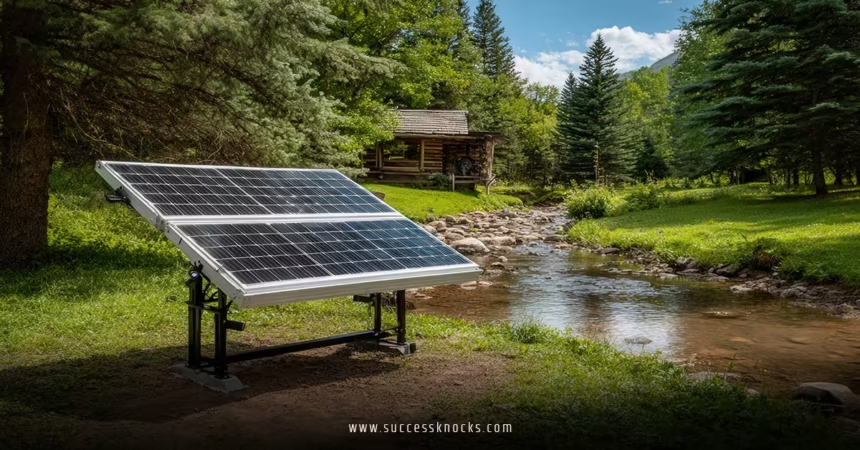
Sustainable energy solutions for off-grid living put real power back in your hands—no utility poles, no surprise bills, just you and the sun, wind, or water doing the heavy lifting.
Here’s the deal in 2026. You generate, store, and manage your own electricity using renewables. It cuts your carbon footprint, shields you from grid failures that hit harder every year, and delivers long-term savings once the upfront cost pays off. For beginners and folks already tinkering with cabins or RVs, it’s more doable than ever thanks to cheaper panels, tougher batteries, and smarter inverters.
- Solar leads the pack: Affordable panels plus battery storage handle 80-90% of most off-grid homes.
- Storage is non-negotiable: Lithium-iron-phosphate (LiFePO4) batteries now last 3,000+ cycles with minimal fuss.
- Hybrids win in tough spots: Add wind or micro-hydro where sun alone falls short.
- Efficiency first: LED lights, efficient appliances, and good insulation stretch every kilowatt-hour.
- Payback in 5-10 years: Depending on your location and usage, you break even faster than a decade ago.
Why sustainable energy solutions for off-grid living beat the old ways
Grid power feels convenient until a storm knocks it out for days. Off-grid setups shrug that off. You decide when and how you use energy. No more waiting on repairs or paying peak rates.
Here’s the kicker: in 2026, solar panel prices have dropped enough that a solid starter system for a small cabin costs roughly what a used truck might run you. Batteries? They’re lighter, safer, and hold more juice without the maintenance headaches of lead-acid junk from ten years back.
Location matters in the USA. Sunny Southwest? Solar dominates. Windy Great Plains or coastal spots? Turbines add muscle. Mountain streams? Micro-hydro runs 24/7. Pick wrong and you waste money. Pick smart and you sleep easy.
Core sustainable energy solutions for off-grid living
Solar power: still the easiest entry point
Panels on your roof or ground mount turn sunlight into electricity. Pair them with a charge controller and inverter, and you’ve got usable AC power. Modern systems hit 20-22% efficiency routinely. Add tilt mounts or trackers in variable climates and you squeeze out extra production.
What I usually see working best? A 5-8 kW array for a modest home. It covers lights, fridge, well pump, and some electronics without drama.
Battery storage: your insurance policy
Sun doesn’t shine at night. Enter batteries. LiFePO4 chemistry rules right now—safer than older lithium types, longer life, and they handle deep discharges without dying young. A 20-30 kWh bank gives you 2-3 days of autonomy in most regions.
The U.S. Department of Energy notes that pairing solar with storage smooths out those cloudy-day dips and gives you backup during outages, turning intermittent power into reliable juice.
Wind and micro-hydro: the reliable sidekicks
Wind turbines shine where average speeds top 10-12 mph. Small vertical-axis models work in turbulent air better than old horizontal ones. Micro-hydro uses a small stream drop to spin a turbine—basically free power if you’ve got the water rights.
These shine in hybrids. Solar during the day, wind at night, hydro whenever the creek flows.
Biomass and other niche players
Wood gasifiers or biogas digesters handle waste-to-energy for folks with livestock or heavy wood supplies. They’re not primary power but great for backup heat or cooking.
Comparison of off-grid energy options
| Option | Pros | Cons | Best USA Locations | Typical Startup Cost (2026) |
|---|---|---|---|---|
| Solar + Batteries | Easy install, scalable, quiet | Weather dependent, needs space | Southwest, California, Florida | $10k–$25k for 5-10 kW |
| Wind Turbine | Works day and night | Noisy, needs height/permit | Midwest plains, coasts | $8k–$20k |
| Micro-Hydro | 24/7 power, low maintenance | Site-specific, water rights | Mountain states, Pacific Northwest | $6k–$15k |
| Hybrid (Solar+Wind) | Most reliable year-round | Higher complexity | Anywhere with mixed resources | $15k–$35k |
Numbers here reflect industry averages from recent installs—your mileage depends on equipment quality and labor.
Step-by-step action plan for beginners
Ready to stop dreaming and start building? Follow this exact sequence. Skip steps and you’ll regret it.
- Audit your loads
List every appliance, light, and pump. Note watts and daily hours. Use a kill-a-watt meter for real numbers. Aim for efficiency upgrades first—swap that old fridge for an Energy Star model. - Assess your site
Check sun hours with tools like PVWatts (free from NREL). Measure wind or stream flow. Factor in trees, snow load, and seasonal changes. - Size the system
Add 20-30% buffer for cloudy days and growth. Factor winter lows—solar output drops 30-50% in northern states. - Choose components
Go reputable: UL-listed panels, MPPT controllers, pure sine wave inverters. LiFePO4 batteries beat everything else for longevity right now. - Permits and safety
Check local zoning. Off-grid doesn’t mean lawless. Ground everything properly. - Install and test
DIY if you’re handy, or hire a NABCEP-certified pro. Start small—maybe a 2 kW test rig—then expand. - Monitor and tweak
Apps track production and usage. Adjust seasonally.
The National Renewable Energy Laboratory’s resilient solar PV best practices emphasize designing for your specific climate and risks—floods, high winds, or wildfires—to keep the system alive when you need it most.
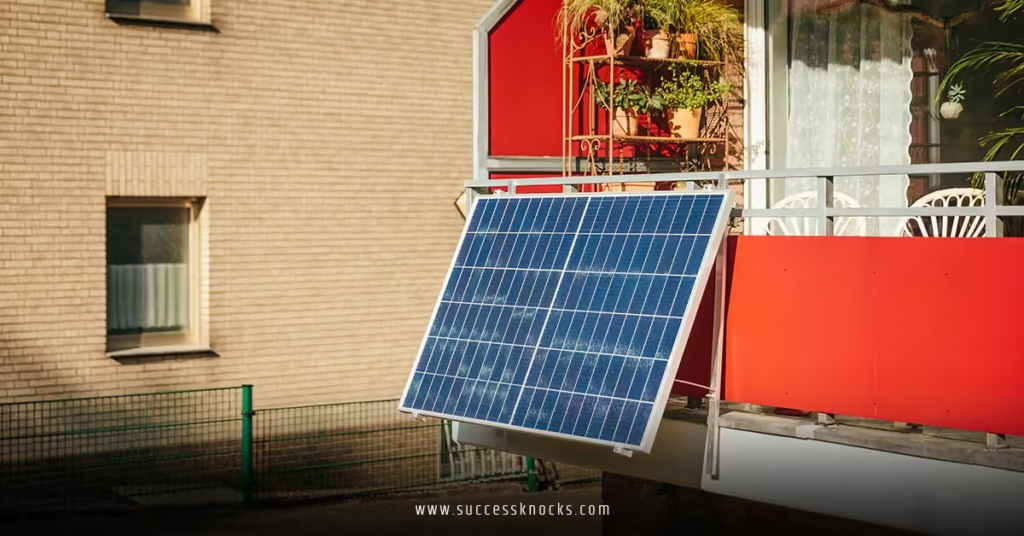
Common mistakes (and how to fix them)
Newbies trip on the same rocks every time.
- Undersizing for winter
Fix: Calculate worst-month production, not average. Add panels or a generator backup. - Ignoring battery care
Fix: Never let LiFePO4 sit below 20% SOC for long. Charge to 100% weekly. - Poor placement and shading
Fix: Use a solar pathfinder tool. One tree branch can kill 30% output. - Cheap inverters or mismatched components
Fix: Spend on quality up front. A failed $200 inverter costs way more in downtime. - Skipping maintenance
Fix: Clean panels twice a year, check connections quarterly, test batteries annually. - Forgetting permits or incentives
Fix: Research early. Even with the federal Residential Clean Energy Credit phased out after 2025, some states still offer rebates or property tax breaks.
Key takeaways
- Sustainable energy solutions for off-grid living start with efficiency, then layer renewables and storage.
- Solar plus batteries handles most USA homes reliably in 2026.
- Hybrids beat single-source systems in variable climates.
- Upfront cost stings, but you own your power forever—no rate hikes.
- Site assessment prevents 90% of headaches.
- Maintenance is simple if you build it right.
- Start small, learn, then scale—no need to go full homestead on day one.
- True independence feels better than any utility discount.
Conclusion
Sustainable energy solutions for off-grid living deliver freedom, resilience, and lower lifetime costs when you approach them with eyes open. You ditch the grid’s whims and build something that works for your land and lifestyle. The tech is mature, the prices are fair, and the payoff is real.
Next step? Grab a notepad, list your daily power needs, and run a quick solar calculator for your zip code. One afternoon of planning beats years of regret. Get after it—your off-grid future starts with that first honest audit.
FAQs
What are the most reliable sustainable energy solutions for off-grid living in the USA?
Solar paired with LiFePO4 battery storage tops the list for most people. Add wind or micro-hydro only if your site supports it. Hybrids win for year-round reliability.
How much does a basic sustainable energy solution for off-grid living cost in 2026?
Expect $10,000–$25,000 for a 5-10 kW solar system with 20 kWh storage on a small home. Cabin setups start closer to $5,000–$8,000. Factor labor and permits.
Do federal tax credits still apply to sustainable energy solutions for off-grid living?
No—the 30% Residential Clean Energy Credit ended for new installs after December 31, 2025. Check your state for rebates or the USDA REAP program if you qualify as rural.
Can I start with a small sustainable energy solution for off-grid living and expand later?
Absolutely. Begin with a 1-2 kW portable kit and battery bank to power essentials. Modular designs let you add panels and storage without ripping everything out.
What maintenance does a sustainable energy solution for off-grid living actually require?
Clean panels a couple times a year, inspect wiring seasonally, and monitor battery health via app. It’s far less work than a gas generator.


