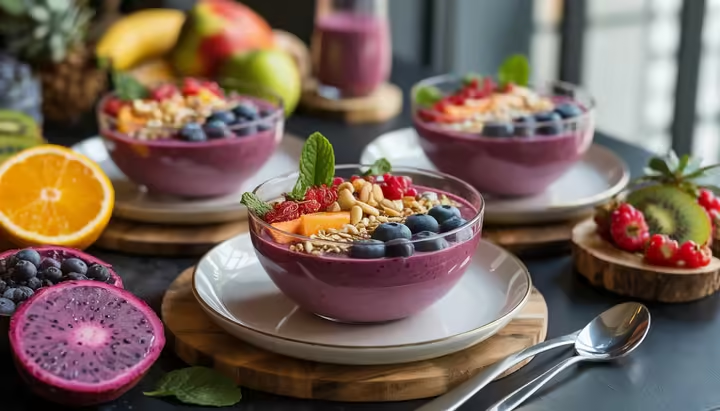
The morning routine sets the tone for the entire day. For professionals, entrepreneurs, and anyone navigating demanding schedules, what you eat in those first hours can determine whether you coast through tasks with clarity or struggle through an afternoon slump. That’s where the coconut acai base enters the conversation—not as a trendy superfood gimmick, but as a legitimately nutrient-dense foundation that combines tropical hydration with antioxidant power.
Coconut brings medium-chain triglycerides (MCTs) and natural electrolytes to the table, while acai berries deliver anthocyanins and fiber. Together, they create a base that supports sustained energy, cognitive function, and metabolic health. It’s a combination that’s gained traction not just among wellness enthusiasts, but also in workplace cafeterias and among high-performers looking for an edge that doesn’t come from another cup of coffee.
Why Coconut Works as a Nutritional Foundation
Coconut has been a dietary staple in tropical regions for centuries, valued for its versatility and nutritional profile. When used as a smoothie bowl base, it offers several functional advantages:
- Rapid Energy from MCTs: Unlike long-chain fatty acids, medium-chain triglycerides are metabolized quickly by the liver, providing a fast source of fuel that doesn’t spike blood sugar.
- Electrolyte Balance: Coconut water and flesh contain potassium, magnesium, and sodium—minerals that support hydration and help prevent the fatigue that comes from electrolyte depletion.
- Satiety and Digestive Health: The fiber content in coconut promotes fullness and supports gut health.
These properties make coconut an ideal base for anyone seeking sustained focus without the crash that follows refined carbohydrates or sugary breakfast options.
The Case for High-Quality Acai
Acai berries, harvested from palm trees in the Amazon basin, have earned their reputation through a robust antioxidant profile. These small, dark purple fruits contain anthocyanins—the same compounds found in blueberries and red wine—that have been studied for their potential to reduce oxidative stress and support cardiovascular health.
But not all acai is created equal. The berries degrade rapidly after harvest, which is why most commercial products use freeze-dried powder or frozen puree. Quality matters: poorly processed acai loses both flavor and nutritional potency. When selecting acai, look for organic certification, transparent sourcing from the Amazon region, and minimal added sugars or fillers. The difference between premium and low-grade acai is immediately apparent in both taste and the deep purple color that signals high anthocyanin content.
Building the Base: Technique and Balance
Creating an effective coconut acai base requires attention to ratios and texture. The goal is a thick, spoonable consistency that holds toppings without turning into soup. Here’s the approach that works:
- Start with frozen acai packets: These provide the right consistency and are more convenient than fresh berries, which are rarely available outside tropical regions.
- Choose your coconut medium: Coconut milk creates a creamier base, while coconut water keeps it lighter. For maximum richness, coconut cream works well but adds more calories.
- Blend minimally: Over-blending introduces air and warms the mixture. Pulse until just combined, adding liquid in small increments.
- Adjust sweetness strategically: High-quality acai has a naturally tart, almost earthy flavor. A small amount of honey or dates can balance this without overwhelming the bowl with sugar.
The texture should resemble soft-serve ice cream—thick enough to eat with a spoon, but smooth enough to spread evenly in a bowl. If it’s too thin, add a frozen banana or more acai. Too thick, and a splash of coconut water will loosen it.
Toppings That Add Function, Not Just Flavor
Once the base is ready, toppings transform the bowl from simple to substantial. The key is choosing additions that complement the nutritional profile rather than undermining it with excess sugar or empty calories:
- Fresh berries: Strawberries, blueberries, and raspberries add vitamin C and additional antioxidants without much sugar.
- Nuts and nut butters: Almonds, walnuts, or cashews provide protein, healthy fats, and a satisfying crunch. A drizzle of almond butter adds creaminess.
- Seeds: Chia, hemp, and flaxseeds contribute omega-3 fatty acids and fiber. They also add texture without overpowering the bowl’s flavor.
- Unsweetened coconut flakes: These reinforce the coconut base while adding a toasted, nutty element.
- Low-sugar granola: Choose varieties with minimal added sweeteners and whole grain oats for sustained energy.
The visual appeal matters too. A well-arranged bowl with colorful toppings isn’t just Instagram fodder—it signals freshness and care, which can enhance the eating experience and satisfaction.
The Productivity Connection: Food as Fuel for Focus
The link between nutrition and cognitive performance is well-established. Diet quality correlates with workplace productivity, with nutrient-dense breakfasts associated with better concentration and decision-making throughout the morning.
A coconut acai base delivers several compounds that support mental performance:
- Steady glucose levels: The combination of healthy fats, fiber, and low glycemic carbohydrates prevents the blood sugar spikes and crashes that impair focus.
- Antioxidant protection: Acai’s anthocyanins may help protect brain cells from oxidative damage, which accumulates with stress and age.
- Hydration: Even mild dehydration impairs cognitive function. Coconut’s natural electrolytes support optimal hydration status.
For professionals managing complex projects or back-to-back meetings, these benefits translate into tangible advantages: sharper thinking, better memory recall, and sustained energy that doesn’t require constant caffeine top-ups.
Real-World Applications: Who’s Making It Work
The coconut acai bowl has moved beyond juice bars and into more practical settings. Tech companies in Silicon Valley have added them to employee cafeterias, noting improvements in afternoon productivity and reduced reliance on sugary snacks. Entrepreneurs working from home have adopted them as a quick, nutrient-dense breakfast that doesn’t require extensive meal prep.
Athletes and fitness enthusiasts use coconut acai bowls as post-workout recovery meals, appreciating the combination of quick-digesting carbohydrates from fruit and sustained energy from coconut’s MCTs. The hydration factor is particularly valuable after intense training sessions.
Even organizations focused on employee wellness have incorporated these bowls into their programs. One consulting firm reported that after introducing a weekly acai bowl option in their office, they saw a measurable decrease in mid-afternoon energy dips and an increase in employee satisfaction with their wellness benefits.
Sourcing Quality Ingredients
The effectiveness of a coconut acai bowl depends entirely on ingredient quality. For the acai component, frozen puree packets from reputable suppliers offer the best balance of convenience and nutrition. Look for products that list acai as the first ingredient, with minimal additives.
For those seeking a ready-made base that maintains quality standards, options like Acai Exotic’s coconut bowl base, Sambazon’s açaí blend packs, and Açaí Roots’ signature puree eliminate the guesswork around ratios and consistency — each offering a pre-blended format with minimal processing.
Coconut products vary widely in quality as well. Organic, cold-pressed coconut milk without gums or stabilizers offers the cleanest flavor profile. For coconut water, avoid varieties with added sugars or “natural flavors,” which often mask inferior quality.
Making It Sustainable: Integration Over Novelty
The real value of a coconut acai base emerges not from occasional consumption, but from consistent integration into your routine. This requires addressing the practical barriers that prevent healthy eating habits from sticking:
- Batch preparation: Portion out acai packets and pre-measure coconut milk into containers for grab-and-go convenience.
- Topping stations: Keep a selection of nuts, seeds, and berries readily accessible so assembly takes minutes, not planning.
- Timing strategy: Consume the bowl within 30 minutes of waking for optimal nutrient absorption and energy distribution throughout the morning.
The goal isn’t perfection—it’s building a reliable system that makes the healthy choice the easy choice, even on rushed mornings.
Beyond Breakfast: Broader Wellness Implications
While coconut acai bowls are typically positioned as breakfast items, their benefits extend into broader wellness practices. The ritual of preparing and eating a nutrient-dense meal mindfully can serve as a grounding practice that sets intentions for the day. Wellness strategies that incorporate both nutrition and mindfulness tend to produce more sustainable results than those focused on diet alone.
The anti-inflammatory properties of both coconut and acai may also support recovery from physical and mental stress. For individuals managing demanding careers or intense training schedules, reducing systemic inflammation through diet can improve both performance and resilience.
The Bottom Line: Practical Nutrition for Modern Demands
A coconut acai base isn’t a miracle food, but it is a practical tool for anyone seeking to align their nutrition with their performance goals. It delivers sustained energy without the crash, supports cognitive function through the morning’s most demanding hours, and provides genuine nutritional value rather than empty calories.
The key is approaching it as part of a broader strategy—one that recognizes food as fuel, prioritizes quality ingredients, and builds systems that make healthy choices sustainable. For professionals, entrepreneurs, and anyone navigating the demands of modern life, that approach offers more value than any single superfood ever could.
Start with quality ingredients, pay attention to ratios and texture, and build the habit into your routine. The productivity and wellness benefits will follow naturally from there.