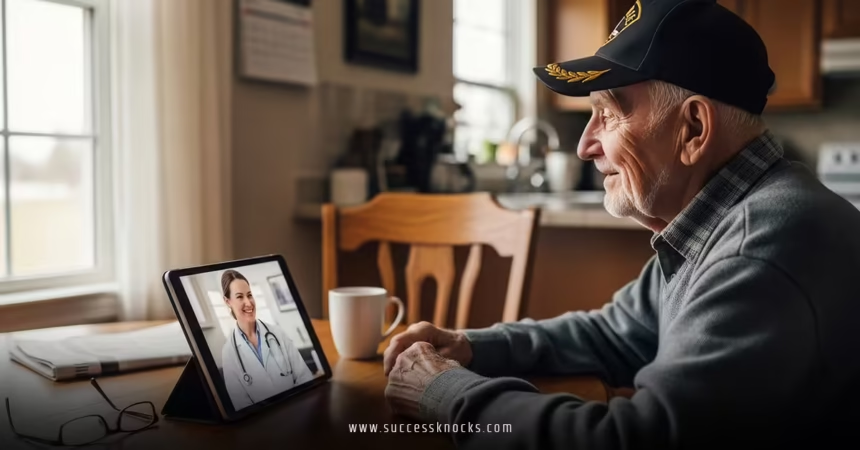
Telemedicine for seniors has evolved from a pandemic necessity to a cornerstone of modern healthcare, with over 89% of Medicare beneficiaries now having access to virtual care services. This technology-driven approach to healthcare delivery not only improves access to medical services for older adults but also represents a key component of sustainable health innovations for aging populations—reducing environmental impact while enhancing care quality.
What makes telemedicine particularly valuable for seniors? It eliminates transportation barriers, reduces infection risks, and provides continuous monitoring capabilities that keep health issues from becoming emergencies.
What Is Telemedicine for Seniors?
Here’s what comprehensive telemedicine for seniors includes:
- Virtual consultations with primary care physicians and specialists via video calls
- Remote patient monitoring using connected devices to track vital signs and health metrics
- Digital prescription management with automatic refills and medication reminders
- Family caregiver integration allowing loved ones to participate in appointments remotely
- 24/7 health support lines staffed by registered nurses and healthcare professionals
Think of it as bringing the doctor’s office directly to your living room, kitchen table, or wherever you feel most comfortable.
Why Telemedicine Matters More for Seniors Than Any Other Age Group
The statistics paint a clear picture. Seniors make up 16% of the U.S. population but account for 36% of all healthcare visits. Many face mobility challenges, chronic conditions requiring frequent monitoring, and geographic barriers to specialist care.
Traditional healthcare delivery often falls short for this population:
- 3.6 million seniors skip medical appointments due to transportation issues annually
- Rural seniors travel an average of 47 miles to see a specialist
- Seniors with multiple chronic conditions average 27 healthcare visits per year
The Centers for Medicare & Medicaid Services reports that telemedicine addresses these challenges while maintaining care quality comparable to in-person visits.
Essential Telemedicine Technologies for Seniors
User-Friendly Video Platforms
The best telemedicine platforms for seniors prioritize simplicity over flashy features. Look for:
- Large, clearly labeled buttons
- One-click appointment joining
- Automatic audio and video setup
- Screen sharing capabilities for reviewing test results
- Family member invitation options
Popular senior-friendly platforms include:
- SimplePractice Telehealth – Designed with accessibility in mind
- Doxy.me – No downloads required, works in any web browser
- Zoom for Healthcare – HIPAA-compliant with familiar interface
- Teladoc – Integrated with many Medicare Advantage plans
Remote Monitoring Devices
Smart health devices have become incredibly user-friendly. Today’s monitoring tools for seniors include:
- Blood pressure monitors with Bluetooth connectivity that automatically send readings to healthcare providers
- Smart scales that track weight trends and alert doctors to sudden changes
- Pulse oximeters that measure oxygen levels and heart rate
- Continuous glucose monitors for diabetic seniors that eliminate finger pricks
- Medication dispensers with reminder alarms and adherence tracking
Emergency Response Integration
Modern telemedicine for seniors includes sophisticated emergency response features:
- Fall detection through wearable devices
- Medication overdose alerts
- Vital sign anomaly notifications
- Direct connection to emergency services when needed
Step-by-Step Guide to Getting Started with Telemedicine
For Seniors New to Technology
- Start with your insurance – Call your Medicare or insurance provider to understand covered telemedicine services
- Choose a simple device – A tablet with a large screen often works better than a smartphone for video calls
- Practice with family first – Have a grandchild or tech-savvy relative help you set up and test the system
- Schedule a technology check – Many healthcare providers offer tech support calls before your first virtual appointment
- Prepare your space – Find a quiet, well-lit area with good WiFi signal for appointments
- Keep essentials nearby – Have your medication list, insurance cards, and a pen and paper ready
- Start small – Begin with routine check-ups rather than complex health issues
For Family Caregivers
- Assess your loved one’s comfort level – Some seniors adapt quickly while others need more support
- Set up the technology – Install apps, create accounts, and test everything before the first appointment
- Create a simple instruction sheet – Write down step-by-step directions in large, clear print
- Be available during early appointments – Stay nearby to provide tech support if needed
- Coordinate with healthcare providers – Ensure you’re listed as an emergency contact and can join calls when needed
Types of Healthcare Services Available via Telemedicine for Seniors
| Service Type | What’s Included | Best For | Limitations |
|---|---|---|---|
| Primary Care Consultations | Routine check-ups, medication management, health monitoring | Managing chronic conditions, follow-up care | Cannot perform physical exams |
| Specialist Consultations | Cardiology, endocrinology, psychiatry, dermatology | Expert opinions without travel | May require in-person follow-up |
| Mental Health Services | Therapy, counseling, medication management | Depression, anxiety, grief counseling | Crisis situations need in-person care |
| Chronic Disease Management | Diabetes care, heart disease monitoring, COPD management | Ongoing condition oversight | Emergencies require immediate medical attention |
| Medication Reviews | Prescription adjustments, side effect monitoring | Polypharmacy management | Cannot replace pharmacy consultations |
Overcoming Common Telemedicine Challenges for Seniors
Technology Anxiety
Here’s the truth: many seniors worry they’ll “break something” or look foolish using new technology. The solution isn’t more complicated gadgets—it’s better training and support.
Successful strategies include:
- Simplified interfaces with large buttons and clear labels
- Practice sessions with healthcare staff before actual appointments
- Family support systems where tech-savvy relatives provide ongoing help
- Written instructions in large print with screenshots
Hearing and Vision Challenges
Telemedicine platforms now accommodate seniors with sensory impairments:
- Closed captioning for video calls
- High-contrast display options
- Audio amplification features
- Screen reader compatibility
- Large font options throughout the interface
Internet Connectivity Issues
Poor internet connection affects 23% of seniors. Solutions include:
- Mobile hotspots provided by some healthcare systems
- Community technology centers at libraries and senior centers
- Simplified video settings that work with slower connections
- Phone-based consultations as a backup option
Insurance Coverage for Telemedicine Services
Medicare Coverage
Medicare coverage for telemedicine expanded significantly during the pandemic and many changes became permanent:
- Medicare Part B covers virtual visits with primary care doctors and specialists
- Medicare Advantage plans often provide additional telemedicine benefits
- Audio-only visits are covered for certain services
- Remote patient monitoring is covered for specific chronic conditions
Private Insurance
Most private insurance plans now cover telemedicine at the same rate as in-person visits. Check your specific plan for:
- Covered providers and platforms
- Copay requirements
- Annual limits on virtual visits
- Coverage for remote monitoring devices
Telemedicine for Specific Senior Health Conditions
Chronic Disease Management
Telemedicine excels at managing ongoing health conditions:
Diabetes Management:
- Daily blood sugar monitoring with automatic data sharing
- Medication adjustments based on real-time data
- Nutritionist consultations via video
- Foot care monitoring through photo sharing
Heart Disease:
- Blood pressure tracking with instant alerts for dangerous readings
- Medication compliance monitoring
- Weight trend analysis to detect fluid retention
- Cardiology consultations without travel stress
COPD and Respiratory Conditions:
- Oxygen saturation monitoring
- Inhaler technique training via video
- Pulmonologist consultations
- Early intervention for breathing difficulties
Mental Health Support
Mental health services via telemedicine have shown remarkable success with seniors:
- Depression screening and therapy
- Anxiety management techniques
- Grief counseling
- Social isolation support
- Medication management for psychiatric conditions
The comfort of receiving mental health support at home often makes seniors more willing to seek help.
Safety and Security in Telemedicine for Seniors
Protecting Personal Health Information
Seniors are particularly concerned about health data privacy. Legitimate telemedicine platforms must:
- Use HIPAA-compliant technology
- Encrypt all video calls and data transmission
- Store health information on secure servers
- Provide clear privacy policies in plain language
Red flags to avoid:
- Platforms that don’t require login credentials
- Services that ask for payment via unusual methods
- Providers who won’t verify their credentials
- Technology that seems “too good to be true”
Avoiding Telemedicine Scams
Unfortunately, seniors are targeted by healthcare scams. Legitimate telemedicine services:
- Work with your existing healthcare providers
- Accept standard insurance plans
- Provide licensed healthcare professionals
- Don’t guarantee miracle cures
- Don’t pressure you for immediate payment
The FDA provides resources for identifying legitimate healthcare services.
Cost-Benefit Analysis of Telemedicine for Seniors
Direct Cost Savings
Telemedicine delivers measurable financial benefits:
- Transportation costs – Average savings of $127 per avoided trip to healthcare facility
- Lost time value – Eliminates 3-4 hours typically spent on medical appointments
- Prescription costs – Digital pharmacy integration often provides better pricing
- Emergency prevention – Early intervention through monitoring prevents 34% of emergency visits
Quality of Life Improvements
The intangible benefits often matter more:
- Reduced stress from medical appointments
- Better medication adherence through digital reminders
- Increased family involvement in healthcare decisions
- Maintained independence longer
- Access to specialists regardless of location
The Role of Telemedicine in Sustainable Health Innovations for Aging Populations
Telemedicine represents a cornerstone of sustainable health innovations for aging populations by addressing multiple challenges simultaneously. The environmental benefits are substantial—each virtual appointment eliminates an average of 19 miles of travel, reducing carbon emissions while improving healthcare access.
The sustainability extends beyond environmental impact:
- Economic sustainability through reduced healthcare costs
- Social sustainability by keeping families connected to care decisions
- Health sustainability through preventive care and early intervention
- Infrastructure sustainability by reducing strain on healthcare facilities
This integration of technology, environmental responsibility, and improved health outcomes exemplifies how modern healthcare is evolving to serve aging populations more effectively.
Future Trends in Telemedicine for Seniors
AI-Enhanced Diagnostics
Artificial intelligence is making telemedicine more powerful:
- Symptom analysis through voice pattern recognition
- Skin condition assessment using smartphone cameras
- Medication interaction checking in real-time
- Fall risk assessment through movement analysis
Smart Home Integration
The next wave of telemedicine for seniors will integrate with smart home technology:
- Automatic health monitoring through ambient sensors
- Medication reminders synchronized with daily routines
- Emergency response triggered by unusual activity patterns
- Voice-activated health consultations
Expanded Specialty Care
More medical specialties are developing senior-specific telemedicine protocols:
- Ophthalmology – Eye exams using smartphone attachments
- Dermatology – Skin cancer screening via photo analysis
- Audiology – Hearing tests conducted remotely
- Physical therapy – Movement coaching through video guidance
Common Mistakes to Avoid in Telemedicine for Seniors
Mistake #1: Choosing Complexity Over Simplicity
The Problem: Selecting feature-rich platforms that overwhelm seniors
The Fix: Prioritize ease of use over advanced features. The best platform is the one your senior actually uses.
Mistake #2: Inadequate Preparation
The Problem: Jumping into telemedicine without proper setup and training
The Fix: Invest time in learning the technology before you need it for important healthcare decisions.
Mistake #3: Neglecting Physical Health Needs
The Problem: Assuming telemedicine can replace all in-person care
The Fix: Use telemedicine strategically while maintaining essential in-person visits for physical exams and procedures.
Mistake #4: Poor Communication with Healthcare Providers
The Problem: Not informing doctors about technology limitations or preferences
The Fix: Discuss your telemedicine capabilities and concerns openly with your healthcare team.
Mistake #5: Ignoring Emergency Protocols
The Problem: Unclear procedures for handling urgent health situations during virtual visits
The Fix: Establish clear emergency protocols and keep emergency contact information readily available.
Measuring Success with Telemedicine for Seniors
Track these indicators to evaluate whether telemedicine is working for you:
Health Outcomes:
- Better medication adherence rates
- Reduced emergency room visits
- Improved chronic disease markers
- Higher satisfaction with healthcare access
Quality of Life Metrics:
- Reduced stress around medical appointments
- Increased family involvement in healthcare
- Better understanding of health conditions
- Maintained independence in healthcare decisions
Practical Benefits:
- Cost savings on transportation and time
- Fewer missed appointments
- Faster access to specialist care
- Better coordination between healthcare providers
Key Takeaways
- Telemedicine for seniors has become mainstream with 89% of Medicare beneficiaries now having access to virtual care services
- Technology barriers are decreasing as platforms become more user-friendly and support systems improve
- Insurance coverage has expanded significantly with Medicare and private plans covering most telemedicine services
- Chronic disease management excels via telemedicine through continuous monitoring and regular check-ins
- Family involvement is crucial for successful adoption and ongoing use of telemedicine services
- Start simple and build confidence before tackling more complex healthcare needs virtually
- Emergency protocols must be clear with backup plans for urgent health situations
- The integration with sustainable health innovations makes telemedicine a cornerstone of future senior healthcare
Conclusion
Telemedicine for seniors isn’t just a convenient alternative to in-person care—it’s becoming the foundation of a more accessible, sustainable healthcare system. The technology has matured to the point where seniors can receive high-quality care from the comfort of their homes while maintaining the human connection that makes healthcare meaningful.
The key is starting where you are. If you’re comfortable with basic technology, begin with simple video calls for routine check-ups. If technology feels overwhelming, start with phone consultations and work up to video as you gain confidence.
Your healthcare shouldn’t become more difficult as you age. Telemedicine makes it easier, more accessible, and more convenient while maintaining the quality of care you deserve.
Ready to take the next step? Contact your healthcare provider or insurance company to learn about available telemedicine options. The future of senior healthcare is here, and it’s designed with you in mind.
FAQs
Is telemedicine as effective as in-person care for seniors?
Research shows telemedicine is equally effective for routine care, chronic disease management, and many specialist consultations. However, physical exams and certain procedures still require in-person visits.
What technology do I need for telemedicine appointments?
A smartphone, tablet, or computer with a camera, microphone, and internet connection is sufficient for most telemedicine services. Many platforms work directly through web browsers without downloading special software.
Will Medicare cover my telemedicine appointments?
Yes, Medicare Part B covers telemedicine visits with primary care doctors and specialists. Medicare Advantage plans often provide additional telemedicine benefits beyond traditional Medicare coverage.
How can I ensure my health information stays private during telemedicine calls?
Use only HIPAA-compliant platforms recommended by your healthcare provider, ensure your internet connection is secure, and conduct appointments in private spaces where others cannot overhear.
What should I do if I have technical problems during a telemedicine appointment?
Most platforms provide technical support phone numbers. Keep this information handy and don’t hesitate to call for help. Healthcare providers are also trained to assist with basic technical issues.