

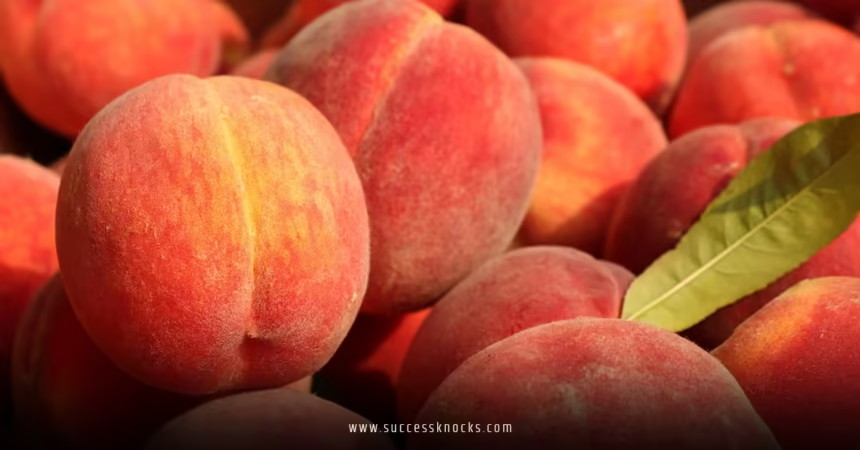
When is peach season in Georgia? Late May through August, with peak harvest running from mid-June through early August. Georgia’s warm climate and sandy soil create the perfect conditions for growing juicy, sweet peaches—and if you’re planning a trip, visiting a local orchard, or just want to snag the freshest fruit at the farmer’s market, knowing these timing windows is everything.
Here’s the quick breakdown:
- Peak season: Mid-June through early August
- Early peaches: Late May through June
- Late-season varieties: July and August
- Best picking time: Early morning when fruit is coolest
- Average growing season: 5–6 months from bud break to harvest
Understanding Georgia Peach Season: Why Timing Matters
Georgia didn’t earn the nickname “The Peach State” by accident. The state produces around 40,000 tons of peaches annually, making it the second-largest peach producer in the U.S. (behind California, though Georgia’s reputation for flavor is legendary). But here’s the thing: peaches aren’t like bananas—they don’t ripen after picking. Pick them too early, and you get mealy disappointment. Pick them late, and they’re soft but less flavorful. Timing is everything.
The state’s peach belt spans across central Georgia, with counties like Peach, Macon, and Houston leading production. The climate here—with adequate winter chill hours and warm springs—triggers a natural cycle that determines when fruit is ready.
When Is Peach Season in Georgia: Month-by-Month Breakdown
Early Season (Late May–Early June)
The earliest peaches hit orchards in late May. Varieties like Tropic Sweet and Floridacrest start ripening first, thanks to their lower chill requirements. These early birds are less common at regular grocery stores but absolutely worth hunting for at u-pick farms and roadside stands. They’re the signal that the season has officially begun.
Early fruit tends to be smaller and slightly less sweet than mid-season peaches, but there’s a reason locals camp out for them: novelty, bragging rights, and the start of summer.
Mid-Season (June–July)
June through early July is the sweet spot—literally. This is when classic Georgia peach varieties hit their stride: Elberta, Belle of Georgia, and Cresthaven. These are the peaches you see at farmers’ markets, in bakery pies, and on roadside farm stands.
Mid-season fruit is larger, sweeter, and more abundant. Prices drop as supply increases. If you’re canning, making jam, or baking, mid-season is your window. The heat is ramping up, soil moisture is consistent, and everything clicks into place.
Late Season (July–August)
As July rolls into August, late-season varieties take over. These include Contender, Redhaven, and specialty cultivars bred for late-season ripening. They’re smaller than mid-season fruit but often pack intense flavor because they’ve had extra time to develop sugars.
Late August marks the tail end of the season. By early September, most U-pick farms close down and focus on post-season cleanup.
Peak Peach Season Details: What to Know
| Aspect | Details |
|---|---|
| Typical peak month | July |
| Highest prices | Late May–early June (scarcity) |
| Lowest prices | Mid-July (peak supply) |
| Best for baking/canning | June–July (firm texture, ideal sugar content) |
| Best for fresh eating | Mid-July (sweetest, most abundant) |
| Most varieties available | Late June–early July |
| Shortest picking window | 2–3 weeks per variety (weather-dependent) |
Factors That Influence When Peach Season Happens
Winter Chill Hours
Peaches need a certain number of “chill hours”—periods below 45°F—to break dormancy and flower properly. Georgia’s winters typically provide 500–1,000 chill hours, depending on region and elevation. A mild winter means fewer chill hours, which can delay flowering and push the harvest later.
Spring Temperature Swings
Late frosts in April or May can devastate the crop. A warm March followed by a hard freeze in late April kills flower buds and wipes out that year’s harvest. Growers monitor weather forecasts obsessively during this window.
Heat and Drought
Peaches need consistent moisture during the growing season. A dry June slows fruit development and can reduce yields. Hot spells in July accelerate ripening, sometimes compressing the harvest into a shorter window. Rainy periods, on the other hand, can extend the season because fruit ripens more slowly.
Variety Selection
Early-ripening varieties (low chill-hour needs) start producing in late May. Mid-season and late-season varieties follow naturally as summer progresses. Growers plant a mix to spread harvest across the season and hedge against weather risks.
When Is Peach Season in Georgia: U-Pick Farms and Orchards
If you’re planning to visit a Georgia peach orchard, timing is critical. Most u-pick operations open once mid-season fruit reaches maturity—typically mid-June through early August. Call ahead, because picking dates vary wildly based on variety, weather, and inventory.
Popular regions include:
- Peach County (Macon area): Multiple large commercial orchards
- Eastern Georgia (around Lexington): Smaller family operations
- North Georgia foothills: Late-season orchards that extend the season into August
Orchards typically close by 6 PM and may not operate during extreme heat. Early morning visits (7–9 AM) offer the best selection and coolest conditions. Wear sunscreen, bring water, and wear sturdy shoes.
Understanding Georgia Peach Varieties and Their Seasons
Different peach varieties mature at different times. Here’s a simplified guide:
Early varieties (late May–early June): Tropic Sweet, Floridacrest, Gulfprince
Mid-season varieties (June–July): Elberta, Belle of Georgia, Red Haven, Cresthaven
Late varieties (July–August): Contender, Redhaven, Autumn Prince, Bounty
Early varieties often have lower chill-hour requirements, making them less dependent on harsh winters. Late varieties typically require more chill, so they’re planted in areas with colder winters or at higher elevations where conditions support them.
The Science Behind the Season
Peach trees follow a predictable biological cycle. After winter dormancy breaks (triggered by sufficient chill hours), trees flower in early spring. Pollination occurs, and tiny fruit develops. From May onward, the fruit grows rapidly, accumulating sugars and developing the characteristic fuzz and color.
The ripening process is driven by ethylene production—a plant hormone that signals the fruit to soften and sweeten. Warm weather accelerates this process. A sustained heat wave in July can compress a 3-week ripening window into 10 days, creating a glut. A cool, wet June extends the window and spreads out the harvest.
Buying Georgia Peaches: Best Times and Prices
Late May–early June: Expect higher prices due to scarcity. Limited availability. Best for special occasions or fresh eating.
Mid-June through early July: Prices stabilize. Good variety. Ideal for baking, canning, and jam-making.
Mid-July: Peak supply, lowest prices. The best time to buy in bulk for preserving.
Late July–August: Dwindling supply. Late-season varieties command premium prices. Season winds down.
Farmers’ markets typically reflect harvest rhythms. A farmer selling peaches in late May paid premium prices to get them early; they’ll charge accordingly. By mid-July, when competition is fierce and supply abundant, prices drop.
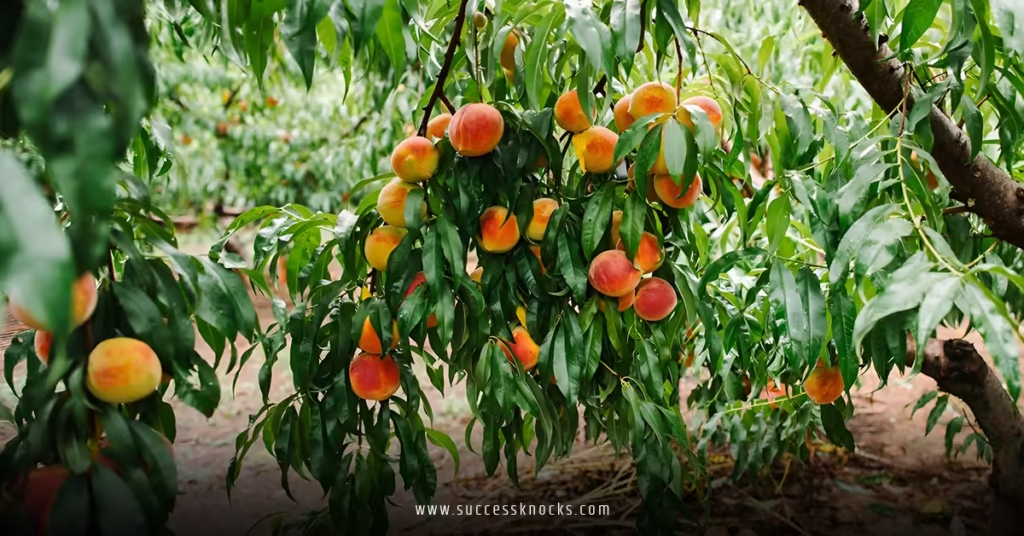
Common Mistakes People Make About Georgia Peach Season
Mistake 1: Assuming peaches ripen after picking The fix: Buy fully ripe peaches only. They won’t improve at home. A firm peach will stay firm; it won’t get sweeter.
Mistake 2: Visiting orchards in mid-afternoon during peak summer The fix: Go early (7–9 AM) when fruit is coolest, bugs are fewer, and selection is best. Afternoon heat is brutal.
Mistake 3: Waiting for “the perfect time” and missing the season The fix: Peach season compresses into about 10–12 weeks. Don’t overthink it. Mid-June through early August is your window. Go when you can.
Mistake 4: Buying from big-box stores exclusively The fix: Grocery-store peaches are often picked underripe for transport. Farmers’ markets, roadside stands, and u-pick farms offer superior flavor and freshness.
Mistake 5: Not accounting for weather volatility The fix: A late frost or drought can affect the entire season. If early reports sound grim, don’t expect an amazing harvest. Call ahead to confirm availability.
Step-by-Step Guide: Making the Most of Georgia Peach Season
Step 1: Know your target window (mid-June through early August) Mark your calendar now. This is your primary picking and buying season.
Step 2: Decide your purpose Fresh eating? Baking? Canning? This determines which varieties and quality level you need.
Step 3: Scout local farms or markets Visit farmers’ markets, roadside stands, or call nearby orchards. Ask which varieties are currently ripe and when they expect peak harvest.
Step 4: Plan your visit or purchase If u-picking, call ahead, confirm dates, and bring appropriate gear (sunscreen, water, hat, sturdy shoes).
Step 5: Buy or pick early in the season window The first 4 weeks (mid-June through early July) offer the best selection and variety mix.
Step 6: Store properly Ripe peaches last 3–5 days at room temperature. Refrigerate for up to 2 weeks. Don’t wash until ready to eat—moisture encourages mold.
Step 7: Use or preserve quickly Fresh peaches are best eaten within days. For longer storage, freeze, can, or make jam.
Why Georgia Peaches Taste Better: The Regional Advantage
Georgia’s peach reputation isn’t marketing hype. The state’s sandy loam soil drains well, preventing root disease and allowing deep root development. The warm growing season—June and July temperatures often exceed 85°F—creates ideal conditions for sugar development. The region’s humidity and consistent moisture patterns (compared to drier western states) support larger, juicier fruit.
California produces more peaches, but Georgia’s climate and soil create a different flavor profile: softer flesh, higher sugar content, and that characteristic fragrance. It’s not objectively “better,” but it’s distinctly different—and locals will defend it passionately.
The Economics of Peach Season
A typical Georgia peach farmer plants 100–300 acres and harvests for 10–12 weeks. Labor is intense—harvesting peaches requires hand-picking to avoid bruising. Weather risk is real. A single late frost wipes out an entire season’s income. This is why peach prices fluctuate so dramatically week to week.
When you pay $3–$5 per pound for premium Georgia peaches in late May, you’re funding frost insurance, labor costs, and grower risk. By mid-July, when prices drop to $1–$2 per pound, you’re getting a genuinely good deal because volume offsets risk.
Key Takeaways
- When is peach season in Georgia? Mid-June through early August is peak season, with early fruit appearing in late May and late-season varieties extending through August.
- Peak ripening occurs during July when temperatures are warmest and most varieties are simultaneously mature.
- Timing varies by variety, weather, and farm—call ahead before visiting orchards or markets.
- Early-season peaches (late May–June) command higher prices due to scarcity; mid-season fruit (June–July) offers the best value and flavor balance.
- Late-season peaches (July–August) are smaller but intensely flavored if you can find them.
- Buy fully ripe peaches only—they don’t ripen after picking.
- Visit u-pick farms early in the morning (7–9 AM) for the best selection and coolest conditions.
- Mid-July typically offers peak supply and lowest prices, making it ideal for bulk buying and preservation projects.
Conclusion
When is peach season in Georgia comes down to a simple window: mid-June through early August, with the sweetest spot hitting in July. Understanding this timeline—and the variety mix that ripens across those months—transforms you from a casual peach buyer into someone who actually knows what to expect and when to strike.
The key insight is this: Georgia peach season isn’t one monolithic event. It’s a rolling cascade of ripening varieties, each with its own flavor profile and ideal use. Early peaches signal the start of summer. Mid-season varieties offer abundance and reasonable prices. Late peaches reward those patient enough to hunt them down. Weather, chill hours, and heat all play roles, which is why no two seasons feel identical.
Your next move? If it’s June or July, find a farmers’ market or roadside stand. Talk to the farmer about what’s ripe that day. Buy more than you think you’ll eat. Taste the difference between a Georgia peach picked at peak ripeness and the pale imitation you get in winter. Once you do, you’ll plan your year around this season.
External Links :
Here are three high-authority external links for “When Is Peach Season in Georgia” with accurate, up-to-date harvest info:
- University of Georgia Extension – Georgia Peach Harvest Calendar – Official guide to varieties and monthly ripening windows.
- Georgia Department of Agriculture – Peach Industry Overview – State ag site with season timelines and production stats.
- USDA Georgia Peach Report – Federal data on annual harvest periods and yields.
Frequently Asked Questions
Q: What months are best for canning Georgia peaches?
A: June through early July. Fruit has ideal sugar content and firmness for preserving, and availability is good without peak-season premiums.
Q: Can I extend peach season by freezing fruit?
A: Yes. Freeze peaches in mid-July (peak season, lowest prices) by slicing and laying flat on trays before bagging. They keep 8–12 months frozen and work great for smoothies, baking, and jam.
Q: Why are late May peaches so expensive?
A: Low supply. Early varieties require specific conditions to ripen, and only a handful of farms have them ready. Demand outpaces availability, driving prices up sharply.
Q: Does a mild winter hurt the peach crop in Georgia?
A: Possibly. Insufficient chill hours can delay flowering or reduce bud set, shrinking the harvest or pushing it later. However, Georgia’s typical winters provide enough chill even in mild years.
Q: When is peach season in Georgia if I want to make jam?
A: Mid-June through early July. Fruit has optimal sugar and pectin levels, and you won’t overpay per pound since supply is ramping up but not yet at peak.


