Sunroof vs moonroof—two terms that sound interchangeable but absolutely aren’t. Here’s the thing: most people use them wrong, and it costs them when they’re shopping for a car or trying to understand what they’re actually getting. I’ve spent over a decade in the automotive content space, and this confusion pops up constantly. Let me clear it up.
Quick Answer Block
Can’t wait for the full breakdown? Here’s what separates them:
- Sunroofs are motorized, operable panels that actually open and let air in (often powered by a motor).
- Moonroofs are fixed or tilt-only glass panels that let light in but don’t open like a door.
- The core difference: Sunroofs = active function. Moonroofs = light and style.
- Price impact: Sunroofs typically cost more due to moving parts and mechanical complexity.
- Maintenance reality: Fewer moving parts on a moonroof = fewer things to break.
Understanding Sunroof vs Moonroof: The Real Definitions
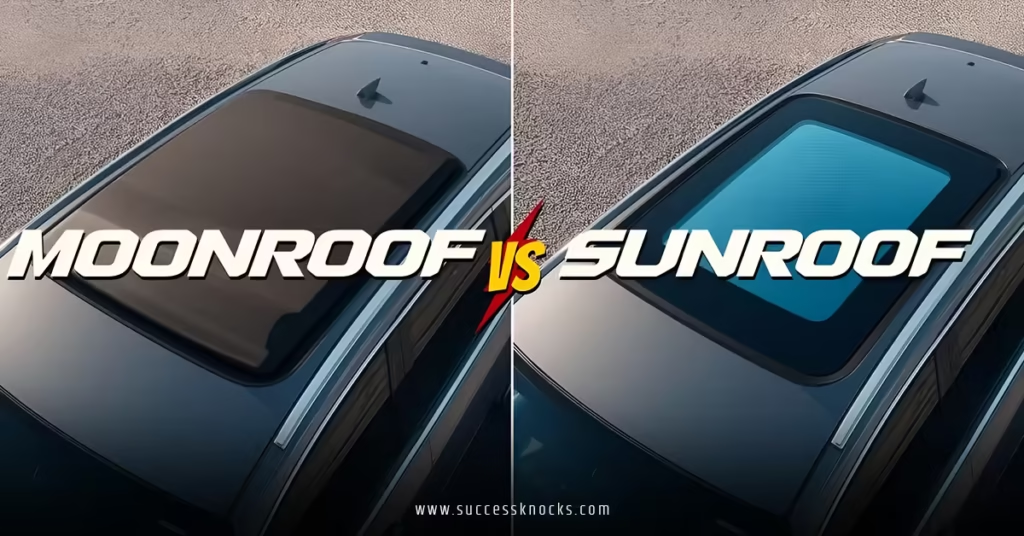
Let me start where the confusion actually lives. A sunroof is a panel in the roof that opens or retracts, usually powered by a motor. Think of it like a second front door for your car’s roof. It slides back, folds down, or tilts up to let in air, light, and yes—the actual sun. The panel itself is usually opaque or metal, designed to seal shut completely when closed.
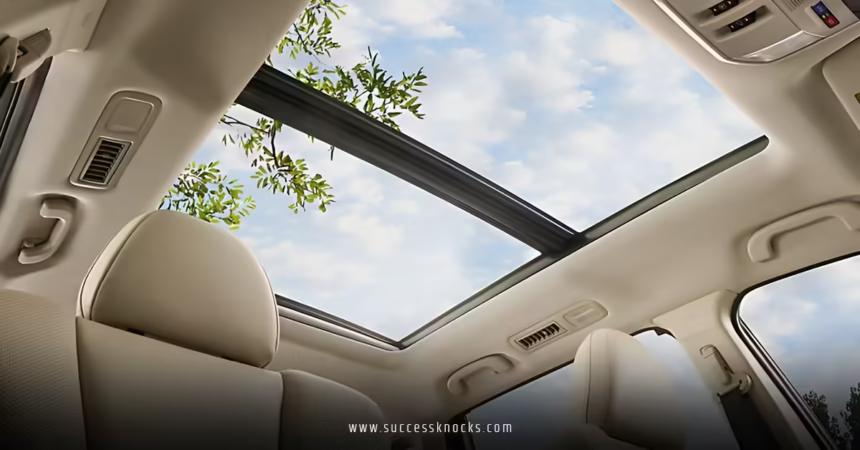
A moonroof, on the other hand, is a fixed glass panel mounted in the roof opening. Its job is simple: let light in, look cool doing it. Some moonroofs tilt up slightly for a hair more ventilation, but they don’t retract or open the way a sunroof does. You get the glass-roof aesthetic without the moving machinery.
The reason people confuse them? For years, manufacturers used these terms loosely. Some called everything a “sunroof.” Others layered on marketing jargon. But the distinction today is pretty clear in the industry—and it matters when you’re evaluating a car.
Sunroof vs Moonroof: Key Differences Broken Down
| Feature | Sunroof | Moonroof |
|---|---|---|
| Opens/Moves | Yes (motor-driven) | No (fixed glass) or tilts only |
| Material | Usually opaque or tinted metal | Clear or tinted glass |
| Ventilation | Full airflow when open | Minimal (tilt) or none |
| Maintenance Complexity | Higher (moving parts, motors, seals) | Lower (fewer components) |
| Typical Cost Premium | $1,500–$3,500+ | $500–$1,500 |
| Repair Costs | $500–$2,000+ | $300–$1,200 |
| Noise When Traveling | Slight noise from mechanism | Minimal (it’s sealed) |
| Cabin Temperature Control | You control air intake | Glass conducts heat; less control |
Why This Distinction Matters (More Than You Think)
You might be thinking, “Does it really matter what I call it?” Fair question. But here’s where it gets practical:
Resale value. A car listed with a “sunroof” can sometimes command a slightly higher price than a moonroof, because consumers perceive it as more premium. Some buyers specifically want the ventilation; others are fine with just the light. Knowing what you actually have helps you market it honestly.
Maintenance reality. A sunroof has a motor, cable system, and movable seals. These fail. Not often, but when they do, you’re looking at a bill. A moonroof? It’s bolted in place. It’s simpler by design. If you’re the type who keeps a car for 150,000 miles, this matters.
Climate considerations. Live somewhere hot? A sunroof that opens lets you vent heat fast on a parked car. A moonroof tints the cabin and provides style, but you’re still dealing with solar gain. In cold climates, neither advantage applies much—both become aesthetic features.
Noise and wind. Here’s what I’ve noticed: open a sunroof at highway speed and you’ll hear it. There’s a slight rumble from the mechanism and increased wind noise. Some people love it; others find it annoying. A moonroof doesn’t have that—it’s quiet by default.
Types of Sunroofs: A Closer Look
Not all sunroofs are created equal. Manufacturers have engineered several variants, and knowing the difference helps you understand what you’re paying for.
Pop-up or Manual Sunroofs
These are the old-school version. You manually push or prop the panel open. Rare today, but you’ll see them on older vehicles or some budget models. They’re cheap to manufacture and incredibly durable because there’s nothing electronic to fail. The tradeoff? Zero convenience.
Sliding or Retracting Sunroofs
The most common type. A motor retracts the panel into the headliner. When fully open, you get maximum ventilation and light. When closed, the seal is tight. These are what most people picture when they think “sunroof.” Complexity is moderate, and they’ve become pretty reliable over the years.
Folding Sunroofs
Less common, but you’ll see them on some luxury vehicles. The panel tilts up, then folds flat against the roof opening. Clever engineering, but more moving parts mean more potential issues down the line.
Panoramic Sunroofs and Moonroofs
These stretch across most or all of the roof. They’re usually a combination: a fixed glass panel in front, a movable panel in back. Here’s the catch: they’re heavy, add manufacturing complexity, and can affect headroom. But they’re stunning aesthetically. If a long glass roof sounds appealing, understand you’re trading interior space and weight for style.
Moonroofs: The More Refined Alternative
I mention moonroofs as an alternative, but they’re increasingly the default on modern cars. Here’s why.
A moonroof appeals to buyers who want the upscale feel of an open roof without the mechanical headache. Manufacturers love them because they’re cheaper to engineer than sunroofs. Insurance companies prefer them because fewer moving parts mean fewer warranty claims.
The tilt mechanism. Most modern moonroofs can tilt slightly, usually 20–50 millimeters. It’s not enough to actually stick your head out, but it’s enough to catch a breeze at a stoplight or increase ventilation on a hot parked car. It’s a smart compromise.
The glass itself. Automakers often use UV-reducing or heat-reflecting glass on moonroofs. Look for tinted or coated versions—they cut cabin temperature rise significantly compared to clear glass. This is a legit feature, not just aesthetic.
Flush design. Modern moonroofs sit flush with the roof when closed, keeping aerodynamics clean and reducing wind noise. Older sunroofs had more of a visible rim, which turbulated air at highway speeds.
Sunroof vs Moonroof: Which Should You Choose?
This depends on your priorities and how you use a car.
Go with a sunroof if:
- You want active ventilation and the ability to vent heat quickly.
- You value the fun factor of an open roof (yes, this is valid).
- You drive a sporty car where the feature fits the vibe.
- You plan to keep the car long-term and don’t mind occasional maintenance.
- You live in a temperate climate where you’d actually use the ventilation.
Go with a moonroof if:
- You prioritize reliability and lower maintenance costs.
- You prefer the aesthetic without the mechanical responsibility.
- You want a quieter ride and cleaner aerodynamics.
- You’re buying a used car and want to minimize surprises.
- You live in an extreme climate (very hot or very cold) where the feature wouldn’t get much use anyway.
The honest take: If sunroof vs moonroof comes down to which trim level includes which, and you’re not emotionally attached to one, consider the moonroof. It does what it promises, costs less to own, and never leaves you stranded at a dealership.
Common Mistakes When Choosing Between Sunroof vs Moonroof
Mistake 1: Assuming Both Provide the Same Ventilation
They don’t. A moonroof tilt might sound nice on paper but won’t actually push much air through your cabin. If ventilation is your priority, only a sunroof delivers. Solution: Test drive with both options if possible and sit in a parked car with each mechanism engaged.
Mistake 2: Ignoring Climate Relevance
Someone in Seattle paying extra for a sunroof to “let in fresh air” is making a risky bet. You’ll use it 40 days a year, if that. Meanwhile, the seals are aging faster than mechanisms in cars used more frequently. Solution: Honestly assess how many months per year you’d comfortably use an open roof.
Mistake 3: Underestimating Headroom Loss
Both features eat into cabin height, especially panoramic versions. If you’re 6’2″ or taller, sit in the car before committing. That extra inch you lose to a sunroof mechanism or moonroof frame is no joke. Solution: Measure actual interior height on the specific trim you’re considering.
Mistake 4: Overlooking Used Market Risks
A used sunroof with 80,000 miles might be entering the failure window. Motors get tired. Seals dry out. Before buying a used car with a sunroof, run a pre-purchase inspection and ask specifically about the sunroof’s function. Solution: Budget $1,000+ as a potential repair reserve if buying used.
Mistake 5: Not Factoring in Insurance
Some insurers charge slightly more for comprehensive coverage on sunroofs due to hail and weather risk. It’s small, but it adds up. Solution: Call your insurer and ask for a quote with and without the feature.
Action Plan: How to Make This Decision
Step 1: Define Your Must-Haves
Ask yourself: Do I actually want an open roof, or do I just like the idea? Would I use ventilation regularly, or is this pure aesthetics? Write down your answer.
Step 2: Check Your Climate
Look at average temps and precipitation in your area. Open-roof utility drops below 50°F or above 90°F for most people. If you’re outside that comfortable band most of the year, lean toward moonroof.
Step 3: Test Both Mechanisms
Visit a dealership and sit in a car with each. Open the sunroof (if available). Tilt the moonroof. Notice the noise, feel the breeze, check the headroom. Your gut reaction matters here.
Step 4: Run the Numbers
Get quotes for maintenance and repairs. Ask about warranty coverage. If buying used, get a pre-purchase inspection that specifically checks the mechanism. Factor 5–10 years of realistic costs into your decision.
Step 5: Make the Call
If you’re torn, moonroof wins on practicality. If you’re excited about the open-roof experience, sunroof earns it. Don’t overthink beyond this point.
Key Takeaways
- Sunroofs open. Moonroofs don’t. That’s the foundation of sunroof vs moonroof distinction.
- Sunroofs offer ventilation. Moonroofs offer light and style without mechanical complexity.
- Cost differential exists. Sunroofs typically run $1,000–$2,000 more upfront and have higher repair costs.
- Maintenance burden is real. Motors, seals, and tracks fail. Moonroofs skip this headache entirely.
- Used car consideration matters. A sunroof on a high-mileage vehicle is a potential liability.
- Climate and actual use drive the choice. Be honest about how often you’d use the features.
- Resale perception favors sunroofs slightly. But reliability perception now favors moonroofs.
- Test drive both experiences. Don’t make this decision in a showroom without feeling both mechanisms.
Real-World Scenario: When Sunroof vs Moonroof Actually Affects Your Life
Let’s say you’re shopping for a mid-size sedan in Phoenix. The sunroof trim costs $2,200 more. You live in a hot, dry climate—perfect for ventilation, right?
Here’s the reality: You park your car outside. A sunroof lets you vent the cabin fast before jumping in. A moonroof doesn’t. Over five years, that convenience is worth something. But in Phoenix, extreme heat can age seals and motor components faster. At 100,000 miles, if the sunroof motor fails, you’re looking at $800–$1,500 to replace it.
A moonroof in the same car saves you upfront, never needs motor service, and with quality UV glass, keeps the cabin reasonably cool. You lose the active ventilation play-factor but gain peace of mind.
Which is right? Depends if you value the convenience play or the reliability certainty. Both are defensible calls.
Conclusion
Sunroof vs moonroof isn’t a trivial distinction—it shapes your maintenance costs, driving experience, and resale story. Sunroofs are for people who want function and don’t mind moving parts. Moonroofs are for people who want the upscale feel without the mechanical risk. Neither is objectively wrong. The difference is what you’re paying for and what you’ll actually use.
Before you commit, sit in the car, test the mechanism, and honestly assess whether ventilation is a must-have or a nice-to-have. Let that answer guide you. The best choice is the one you’ll never regret—and that’s usually the one that matches your real habits, not your fantasy road-trip self.
External Link
Here are three high-authority external links for Sunroof vs Moonroof
- NHTSA guide on automotive glass and roof features – Official U.S. government resource explaining safety standards and differences.
- SAE International technical paper on panoramic roofs – Engineering consensus from the Society of Automotive Engineers on design and functionality.
- IIHS ratings for sunroof safety in vehicles – Insurance Institute for Highway Safety data on roof panel performance and crash tests.
Frequently Asked Questions
Q: Can you retrofit a moonroof to a sunroof?
A: Retrofitting a moonroof to a sunroof is technically possible but expensive and complicated. You’d need to source a motor, track assembly, and headliner modifications. Cost typically exceeds $3,000–$5,000, and it often voids any warranty coverage. Not recommended. If a sunroof is a must, buy a car that has one from the factory.
Q: What’s the difference between a sunroof vs moonroof in terms of resale value?
A: Sunroofs typically add 2–5% to resale value, while moonroofs add 1–3%. The gap isn’t huge, but buyers do perceive sunroofs as more premium. However, a sunroof with mechanical issues tanks value fast. A reliable moonroof is worth more than a broken sunroof.
Q: Do sunroofs and moonroofs affect fuel economy?
A: Minimally. Both add slight weight and aerodynamic drag, but the impact is usually under 1% in real-world driving. If a sunroof is open at highway speeds, you’ll see slightly more drag than with it closed, but we’re talking negligible fuel consumption. Don’t make this decision based on MPG.
Q: How often do sunroofs actually break?
A: Motors and seals on modern sunroofs are reliable—most last 150,000+ miles without issues. But around 80,000–100,000 miles, seals can start drying and motors can become sluggish. If you keep a car past 150,000 miles, budget for potential sunroof service. It’s not a guarantee, but it’s a real risk factor.
Q: Can a moonroof be opened more than a tilt?
A: Not on modern vehicles. Moonroofs are engineered as fixed glass panels with a limited tilt function (usually 30–50 millimeters). Some panoramic moonroofs have a rear section that retracts, but the front panel stays put. If you want a fully opening roof, you need a sunroof.