Restaurant Tipping Etiquette Guide knowledge separates confident diners from those who fumble through awkward payment moments. Whether you’re navigating a first date, business dinner, or family celebration, knowing exactly how much to tip—and when—keeps you looking polished and ensures your server gets fair compensation.
Here’s what every savvy diner needs to know about modern tipping etiquette:
- Standard tip range: 18-22% for good to excellent service
- Timing matters: Tip based on pre-tax amount, not the final bill
- Bad service protocol: Never go below 10% without speaking to management first
- Group dining rules: Designate one person to handle the tip calculation
- Special situations: Different service types require different tipping approaches
The reality? Tipping rules have evolved significantly, and what worked five years ago might leave you looking clueless today.
Modern Tipping Standards: What Changed in 2026
Tipping percentages have crept upward as dining costs and service expectations both increased. The old 15% standard is now considered the bare minimum for acceptable service.
Current Tipping Breakdown
Here’s what different service levels actually merit:
- Outstanding service (22-25%): Server anticipated needs, handled special requests flawlessly, made your dining experience memorable
- Excellent service (20-22%): Attentive, friendly, efficient service without any issues
- Good service (18-20%): Professional service that met expectations
- Average service (15-18%): Adequate but unremarkable service
- Poor service (10-15%): Significant issues that affected your dining experience
Pre-Tax vs. Post-Tax Tipping
Restaurant Tipping Etiquette Guide:Calculate tips based on the pre-tax amount. If your meal costs $100 before tax and $108 after, tip on the $100. This longstanding rule hasn’t changed, despite what some payment terminals might suggest.
The exception? Some diners tip on the post-tax amount for exceptional service, but it’s not required.
Restaurant Tipping Etiquette by Situation
Different dining scenarios call for different approaches. Your neighborhood bistro operates differently from a high-end steakhouse.
Casual Dining Restaurants
At chain restaurants and casual establishments, standard tipping rules apply straightforwardly:
- 18-20% for good service
- Round up to the nearest dollar for convenience
- Split checks: Each person tips on their portion
- Kids meals: Don’t reduce your tip percentage because children’s meals cost less
Fine Dining Establishments
Upscale restaurants often involve multiple service staff, which affects tipping strategy:
- 20-22% is standard for the full service team
- Wine service: If a sommelier provides extensive wine guidance, consider an additional $10-20
- Tableside service: Caesar salads, flambéed desserts, and similar presentations merit the higher end of the range
Fast-Casual and Counter Service
The rise of tip jars and tablet prompts at counter-service locations has created new etiquette questions.
When to tip at counter service:
- Complex drink orders (specialty coffee shops)
- Made-to-order items that require skill
- Exceptional service that goes beyond normal counter interaction
Appropriate amounts:
- $1-2 for simple orders
- 10-15% for complex preparations
- Nothing is perfectly acceptable for basic transactions
According to restaurant industry data from the National Restaurant Association, counter-service tipping has increased by 15% since 2024, though it remains optional.
Group Dining Tipping Strategies
Large party dining creates unique challenges that can make or break the evening’s success.
Handling Split Checks
When everyone pays separately:
- Agree on the tip percentage before the bill arrives
- Calculate individual tips based on each person’s order
- Round up generously rather than being precise to the penny
- Designate one person to verify the total tip amount makes sense
Single Check Situations
When one person pays for the group:
- Calculate 20% of the total bill as your baseline
- Add extra if the server handled a large party exceptionally well
- Collect cash contributions from others before paying, if splitting costs
Remember: Large parties create significantly more work for servers. They’re managing multiple orders, timing, and special requests simultaneously.
Understanding Service Charges vs Tips
Many restaurants automatically add service charges for parties of six or more. If you’re unsure how this affects your tipping decision, check out this detailed explanation of service charge vs tip differences to understand when additional gratuity is appropriate.
Special Service Situations
Restaurant dining involves more than just your primary server. Knowing how to handle these interactions shows real sophistication.
Wine Service and Sommeliers
When restaurants have dedicated wine staff:
- Sommelier consultation: $10-20 for extensive wine pairing guidance
- Simple wine service: Include in your regular server tip
- Wine bottle service: 15-20% of the wine’s cost if it’s a significant portion of your bill
Coat Check and Valet
Though not technically restaurant staff, these services often operate within dining establishments:
- Coat check: $2-3 per item
- Valet parking: $5-10, paid when retrieving your car
Private Dining and Events
Special events require modified approaches:
- Set menus: Tip 20% of the per-person cost
- Open bar events: $1-2 per drink or 18-20% of estimated bar tab
- Banquet service: 15-18% is often appropriate since service is more streamlined
Tipping Etiquette Mistakes That Make You Look Amateur
Mistake 1: Undertipping on Expensive Items
The Problem: You order a $200 bottle of wine but tip as if it were a $30 bottle.
The Fix: Expensive items still deserve percentage-based tips. The server’s liability and service level increase with higher-value items.
Mistake 2: Punishing Servers for Kitchen Problems
The Problem: Your steak came out overcooked, so you reduce the server’s tip.
The Fix: Servers don’t control kitchen timing or food preparation. If they handled the situation well—apologizing, communicating with the kitchen, offering solutions—maintain your normal tip.
Mistake 3: Cash vs. Card Confusion
The Problem: You’re not sure whether cash or card tips work better for servers.
The Fix: Cash tips go home immediately. Card tips get processed with payroll and may be subject to tip pooling. Ask your server their preference if you’re unsure.
Mistake 4: Ignoring Cultural Context
The Problem: You apply American tipping standards everywhere, including restaurants with different cultural norms.
The Fix: Research local customs. Some cuisines and restaurant styles have different expectations, even within the United States.
Business Dining Tipping Protocol
Professional dinners add layers of complexity because you’re representing yourself and potentially your company.
Client Dinners
When entertaining clients or prospects:
- Tip generously (22-25%) to ensure impeccable service
- Handle payment discreetly without drawing attention to the tip amount
- Choose restaurants where you’re familiar with service standards
Expense Account Guidelines
Most companies allow standard tipping on business meals:
- 20% is typically acceptable for expense reports
- Document exceptional circumstances if you tip more
- Save detailed receipts showing tip amounts clearly
Team Lunches and Office Events
Group business meals require diplomatic handling:
- Calculate once and communicate the total to avoid confusion
- Be generous rather than splitting hairs over exact amounts
- Consider company culture when determining appropriate percentages
International Dining and Cultural Considerations
Even within American restaurants, different cultural contexts can affect expectations.
Ethnic Restaurants and Family Operations
Family-owned establishments often operate differently from corporate chains:
- Standard percentages still apply
- Consider the owner’s presence: Tipping the owner directly isn’t expected, but excellent service from staff should still be recognized
- Cultural sensitivity: Some cultures view tipping differently, but American dining customs generally prevail
Tourist Areas and High-Traffic Locations
Restaurants in tourist-heavy areas often see inconsistent tipping:
- Maintain standards regardless of location
- Don’t assume servers are used to poor tips just because they serve tourists
- Remember that good service deserves recognition everywhere

Step-by-Step Tipping Action Plan
Before You Dine
- Check online for any unusual service policies
- Bring cash for situations where it might be preferred
- Set expectations with your dining companions about splitting costs
During Service
- Note exceptional service as it happens
- Address problems with servers directly rather than letting them affect your tip
- Remember names of servers who provide outstanding service
When the Check Arrives
- Review the bill for any automatic charges or service fees
- Calculate on pre-tax amount unless service was truly exceptional
- Round up rather than down for convenience
- Double-check your math, especially with groups
After Payment
- Leave cash tips on the table in plain sight
- Hand cash tips directly to servers if you prefer
- Write tip amounts clearly on credit card receipts
According to service industry research from Harvard Business Review, clear communication and consistent tipping practices improve service quality for all diners at a restaurant.
Modern Payment Technology and Tipping
Digital payment systems have changed how we handle gratuities, but the basic principles remain the same.
Tablet and App-Based Tipping
Those ubiquitous payment tablets can be intimidating:
- Pre-selected percentages are usually appropriate starting points
- Custom amounts are always acceptable if the suggested percentages don’t fit
- Skip buttons are legitimate for counter service where tipping isn’t expected
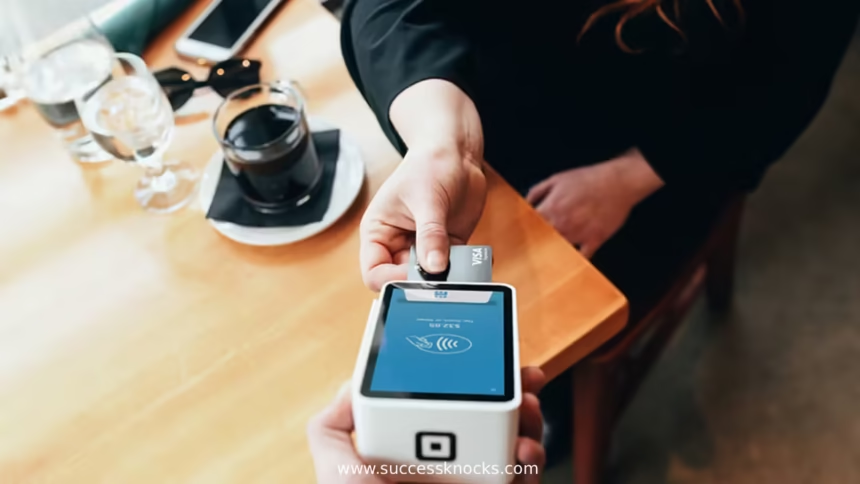
Contactless and Mobile Payments
Digital wallets and contactless cards work fine for tips:
- Add tips during the payment process when prompted
- Cash backup: Keep some cash available for situations where digital tipping isn’t smooth
Key Takeaways
- Standard restaurant tipping ranges from 18-22% based on service quality
- Calculate tips on pre-tax amounts for consistency and fairness
- Different dining situations require modified approaches, but 20% remains a safe baseline
- Group dining needs clear communication and designated payment coordination
- Business meals should err on the generous side to ensure professional service
- Cash tips provide immediate benefit to servers, while card tips offer convenience
- Never reduce tips for kitchen problems that servers handle professionally
- Modern payment systems are convenient, but traditional tipping principles still apply
When Tipping Rules Don’t Apply
Some situations genuinely don’t require standard restaurant tipping:
Owner-operated establishments: If the owner is serving you directly, tipping isn’t expected, though it’s appreciated.
All-inclusive pricing: Some restaurants build service into menu prices and explicitly discourage tipping.
Cultural dining experiences: Certain traditional dining formats operate on different service models.
The key is reading the situation and asking when you’re unsure.
Advanced Tipping Strategies
Building Relationships with Regular Spots
If you frequent a restaurant:
- Consistent generous tipping ensures excellent service on future visits
- Holiday bonuses show appreciation for servers you see regularly
- Recognition beyond money: Positive online reviews and referrals matter to service staff
Handling Service Recovery
When things go wrong but staff handle it well:
- Maintain standard tips for good recovery efforts
- Tip extra when servers go above and beyond to fix problems
- Separate kitchen issues from service quality in your calculations
Navigating the world of high-end dining often requires a different approach than casual outings, especially when managing reservations for sought-after tasting menus. As you check available restaurants for your next special occasion, remember that premium establishments frequently apply unique service charges or non-refundable deposits. These upfront costs are often separate from the final gratuity you might leave for exceptional service on the night of the meal. Understanding these nuances ensures that your evening remains focused on the culinary artistry rather than confusion over the final bill. Always review the specific policy of the venue during the booking phase to ensure a seamless and polite experience for everyone involved.
Conclusion
Restaurant Tipping Etiquette Guide:Mastering restaurant tipping etiquette isn’t about memorizing complex rules—it’s about understanding that good service deserves fair compensation, and that your approach to tipping reflects your character as a diner.
The fundamentals are straightforward: 18-22% for good service, calculated on pre-tax amounts, with adjustments for exceptional circumstances. Everything else is just situational awareness and common courtesy.
When you tip thoughtfully and consistently, you’re contributing to a dining culture that values service excellence. That benefits everyone—servers earn predictable income, restaurants maintain quality staff, and you enjoy better experiences every time you dine out.
Start with these guidelines, pay attention to context, and remember that generosity rarely goes unnoticed in the service industry.
Frequently Asked Questions
Q: Should I tip less if the restaurant adds a service charge to my bill?
A: Not necessarily. Service charges and voluntary tips serve different purposes, and exceptional service might still warrant additional recognition. Check whether the service charge goes directly to your server before making your decision.
Q: How do I handle tipping when using restaurant gift cards or promotions?
A: Tip based on what the meal would have cost without the discount. If your $100 meal is free with a gift card, tip on the $100 value, not zero.
Q: Is it rude to ask servers about their restaurant’s tipping policies?
A: Not at all. Most servers appreciate when customers ask about tip pooling, service charges, or other policies that affect their compensation. It shows you want to tip appropriately.
Q: What should I do if I realize I undertipped after leaving the restaurant?
A: You can return with additional cash, call the restaurant to add to a credit card tip, or make up for it on your next visit if you’re a regular customer.
Q: Do delivery fees from third-party apps count as tips for drivers?
A: No, delivery fees go to the app company, not the driver. Always add a separate tip for delivery service, typically $3-5 or 15-20% of your order total.