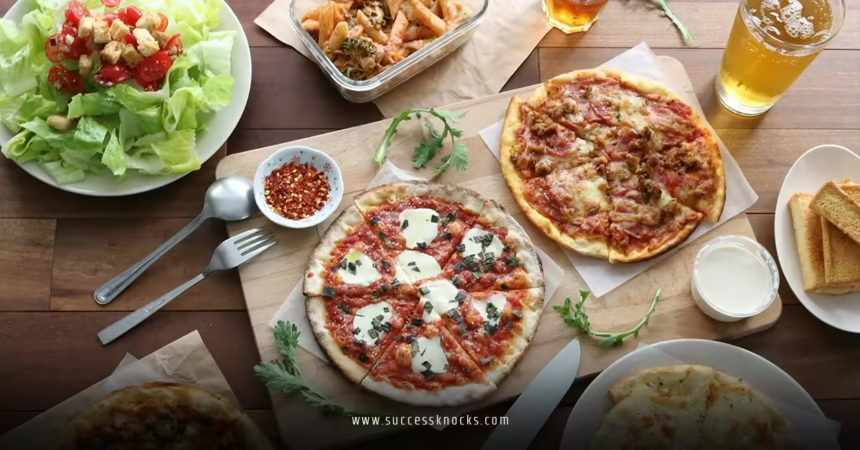
UK HFSS advertising rules explained starts with a simple but strict two-part test that now governs what you can promote and where. As of January 5, 2026, products classified as “less healthy” (LHF) face heavy restrictions on TV before 9pm and a total ban on paid online ads at any time. The goal is straightforward: reduce kids’ exposure to marketing for items high in fat, salt, or sugar (HFSS) as part of wider childhood obesity prevention efforts.
Here’s the quick overview:
- Products must fall into one of 13 specific categories and score as less healthy on the Nutrient Profiling Model (NPM 2004/2005).
- TV watershed: No identifiable LHF ads from 5:30am to 9pm on broadcast and regulated on-demand services.
- Online: Complete ban on paid promotions featuring identifiable LHF products.
- Brand ads get an exemption if they avoid depicting specific restricted items.
- First enforcement hit fast—Lidl and Iceland ads became the initial cases banned by the ASA in April 2026.
The rules apply UK-wide. Small businesses often get exemptions, but larger retailers and brands feel the full force.
What Makes a Product “Less Healthy” Under UK HFSS Rules?
It’s not every high-calorie item. The test has two clear gates.
First, the product must sit in one of these 13 categories linked most strongly to childhood obesity:
- Soft drinks
- Confectionery (chocolates, sweets)
- Sweet biscuits and cakes
- Sweetened breakfast cereals and porridges
- Sweetened bread products (like pastries)
- Ice cream and desserts
- Pizza and ready meals
- Crisps and savoury snacks
- And several others covering main meals, sandwiches, etc.
Second, it must fail the Nutrient Profiling Model—scoring 4 or more points for food or 1 or more for drinks. The model balances “good” nutrients (protein, fibre, fruit/veg) against “bad” ones (fat, saturated fat, salt, sugar).
Only products clearing both hurdles count as LHF and trigger the restrictions. A plain chocolate bar might fail the model but if it’s not in a listed category, it could slip through. A borderline pastry in the sweetened bread category? Game over if it scores high.
Here’s the thing: the model uses 2004/2005 guidance for now, though consultations on updates continue.
TV Restrictions: The 9pm Watershed in Practice
On television and regulated on-demand services, you cannot show identifiable LHF products between 5:30am and 9pm. After 9pm? Fair game.
This hits family viewing slots hardest. Evening ads during popular shows? Off limits if the product qualifies.
Brand-level advertising survives if it promotes the company or range without zooming in on a specific LHF item. Show the logo and values, fine. Flash a pack of sweets? Risky.
The ASA judges based on what an average observant consumer would see as promoting the restricted product. Subtle imagery can still trip the rule.
Online HFSS Ban: No Paid Promotion, Anytime
This is the sharper cut. Paid online ads—including social media influencer posts, banner ads, search promotions—cannot feature identifiable LHF products at any hour.
“Paid” matters. Organic posts on your own channels often dodge the ban, but sponsored content or boosted posts usually count as paid.
Lidl’s case involved a paid Instagram influencer video highlighting bakery items, including a Pain Suisse pastry that qualified as LHF in the sweetened bread category. The ASA ruled the overall ad promoted the restricted product, even with a safe cheese pretzel alongside.
Iceland’s banner and display ads on the Daily Mail site featured multiple sweets and treats clearly in the confectionery category and scoring as HFSS. Banned.
The message from these first rulings: mixing items doesn’t save you if the restricted one stands out.
Brand Advertising Exemption – What Actually Works
Pure brand ads get breathing room. You can promote your supermarket, fast-food chain, or snack range without naming or showing specific LHF products.
But the exemption vanishes if the ad depicts an identifiable less healthy item—by name, image, logo, or even strong branding cues.
In practice:
- Safe: “Discover our new summer range” with generic lifestyle shots.
- Risky: Close-up of a specific ice cream tub or pastry.
The ASA looks at the overall impression. One fleeting background item might pass if incidental; a prominent hero product won’t.
German Doner Kebab and On The Beach ads escaped rulings in the same April 2026 batch because the featured items didn’t qualify as LHF or the ad wasn’t seen as promoting a restricted product.
Lidl Iceland Ads Banned Childhood Obesity Prevention Context
These first ASA rulings in mid-April 2026 put real teeth behind the policy. Both supermarkets had to pull the ads and were told to ensure future digital marketing avoids showing products that break the junk food ad rules.
The cases illustrate exactly how enforcement works in the real world. They’re not abstract—they show compliance teams what crosses the line when influencer content or banner ads spotlight pastries or sweets.
For full details on those specific bans and lessons, see our companion piece on [lidl iceland ads banned childhood obesity prevention].
Comparison Table: Before vs After the 2026 UK HFSS Rules
| Aspect | Pre-2026 (Voluntary/Partial) | From January 2026 (Statutory) | Real-World Impact |
|---|---|---|---|
| TV Timing | HFSS ads possible anytime | Banned 5:30am–9pm for LHF products | Family slots now restricted |
| Online Paid Ads | Broadly allowed | Total ban for identifiable LHF products | Influencer and banner campaigns heavily limited |
| Brand Ads | Looser interpretation | Exemption only if no identifiable LHF depiction | Forces abstract or healthier creative |
| Enforcement | Mostly complaints-driven | Active ASA rulings with quick precedents | Higher compliance costs and audits |
| Scope | Focused on HFSS generally | Strict 13 categories + NPM score | Some items escape, others get caught |
This shift isn’t minor. It forces brands to rethink entire campaign calendars and creative briefs.
Common Mistakes Brands Still Make (and How to Fix Them)
- Treating “brand ad” as a get-out-of-jail card
Fix: Review every visual and script. If a consumer could reasonably identify a specific LHF product, rework it. - Mixing safe and restricted items in one creative
Fix: Isolate or remove the risky hero product. Incidental background items sometimes pass, but prominence kills it. - Assuming influencer posts are “organic”
Fix: If there’s payment, boost, or partnership, treat it as paid. Provide strict briefs and pre-approval. - Using old checklists from 2025
Fix: Update audits with the latest ASA interpretations. The Lidl and Iceland cases already add clarity. - Ignoring the “identifiable” test
Fix: Ask: Would an average person recognise this as promoting a specific pastry, sweet, or ready meal?
In my experience, teams that build a fast internal review loop with legal/compliance catch 90% of issues before launch.
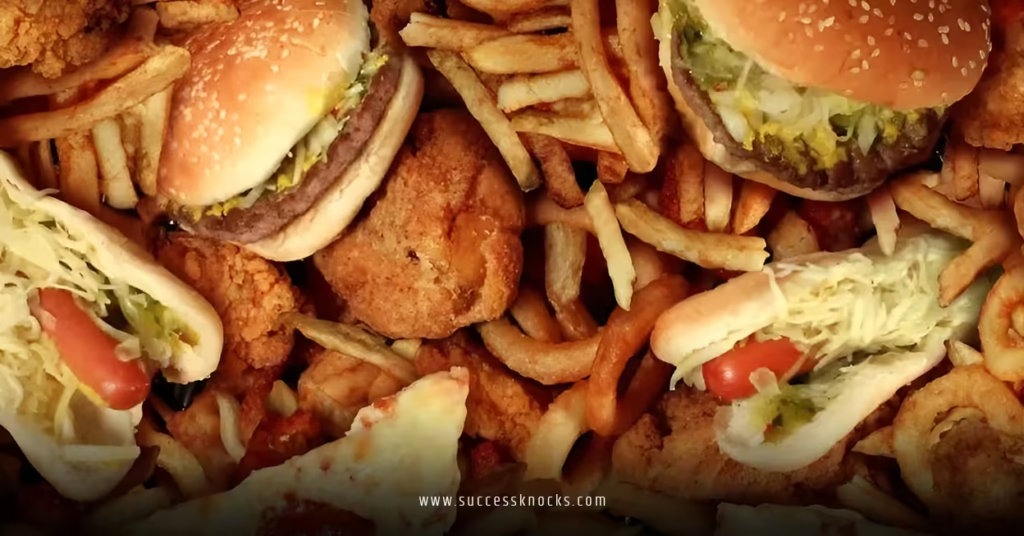
Step-by-Step Action Plan for Staying Compliant
Beginners and mid-level marketers, follow this checklist:
- Classify your products — Map every SKU against the 13 categories and run the NPM score. Flag anything borderline.
- Audit live campaigns — Pull all paid online and pre-9pm TV assets. Check for identifiable LHF items.
- Build safe templates — Create brand-focused visuals that highlight values, services, or clearly non-LHF ranges.
- Brief partners tightly — Give influencers and agencies explicit do’s and don’ts with examples from recent ASA rulings.
- Set review gates — Require compliance sign-off before any paid placement goes live.
- Monitor updates — Watch gov.uk and ASA decisions weekly. Early rulings shape grey areas fast.
- Document decisions — Keep records of why an ad was approved. It helps if challenged.
Do this systematically and the rules become manageable instead of a constant headache.
For official details on product categories and the Nutrient Profiling Model, head to the UK government guidance on restricting advertising of less healthy food or drink. The Advertising Standards Authority publishes full case rulings with clear reasoning. Broader context on protecting children from unhealthy marketing appears in World Health Organization resources on food promotion.
Key Takeaways
- UK HFSS rules use a two-step test: one of 13 categories plus a failing NPM score.
- TV ban runs 5:30am–9pm; online paid ads face a full prohibition for LHF products.
- Brand advertising is exempt only when no specific restricted item is identifiable.
- First ASA enforcement in April 2026 banned Lidl and Iceland ads, setting clear precedents.
- Compliance demands early auditing, tight briefs, and ongoing monitoring.
- Creative must shift toward abstract branding or permitted healthier items.
- Grey areas exist around “identifiable” depictions—ASA rulings clarify them over time.
- The policy forms one tool in the larger childhood obesity prevention toolkit.
Conclusion
UK HFSS advertising rules explained come down to this: the days of freely promoting pastries, sweets, and ready meals across prime slots and paid digital are over. Brands that adapt quickly—by auditing rigorously, diversifying creative, and embracing the restrictions as a prompt for innovation—will stay visible without the headaches.
Start today: run your next three campaigns through the full checklist. Small changes now keep you out of the next ASA headline.
The rules reward preparation over panic.
FAQs
Q1: What are the UK HFSS advertising rules?
A: The UK HFSS rules, effective from January 2026, restrict advertising of less healthy (high fat, salt, or sugar) foods. They ban such products on TV before 9pm and prohibit all paid online ads at any time to support childhood obesity prevention.
Q2: Which products are covered under the UK HFSS advertising ban?
A: Products in 13 specific categories (like confectionery, soft drinks, sweet biscuits, pastries, ice cream, pizza, and savoury snacks) that also fail the Nutrient Profiling Model score as “less healthy” and face the restrictions.
Q3: When can brands advertise HFSS products on TV?
A: HFSS/LHF products can only be advertised on TV after 9pm. The ban applies from 5:30am to 9pm on broadcast and regulated on-demand services.
Q4: Are influencer posts banned under UK HFSS rules?
A: Yes, if the post is paid or sponsored and features identifiable less healthy products. Organic posts on a brand’s own channels are usually allowed, but boosted or partnership content is treated as paid advertising.
Q5: What happened in the Lidl and Iceland ads banned cases?
A: In April 2026, the ASA banned Lidl and Iceland ads for promoting HFSS products (pastries and sweets) in paid online campaigns. These were the first enforcement actions under the new UK HFSS advertising rules linked to childhood obesity prevention.