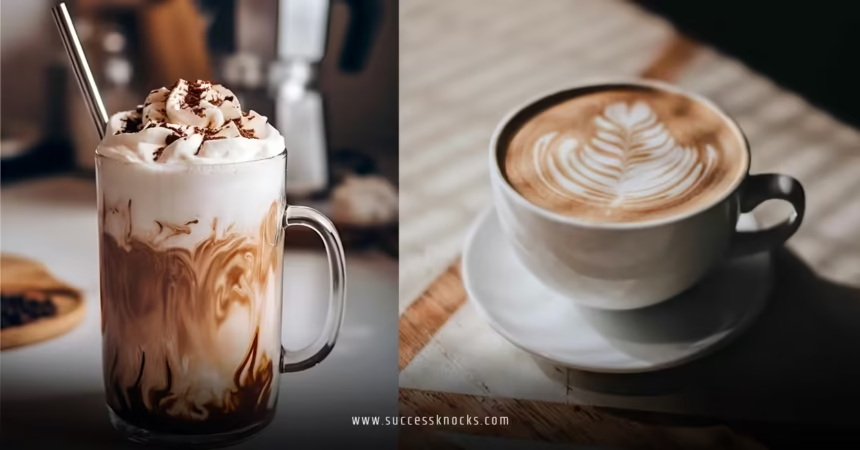
Mocha vs latte represents one of coffee culture’s most enduring debates, and honestly? It’s not just about taste preferences. These two espresso-based drinks occupy completely different territories in the coffee universe, each serving distinct purposes for different moments in your day.
Here’s what you need to know upfront:
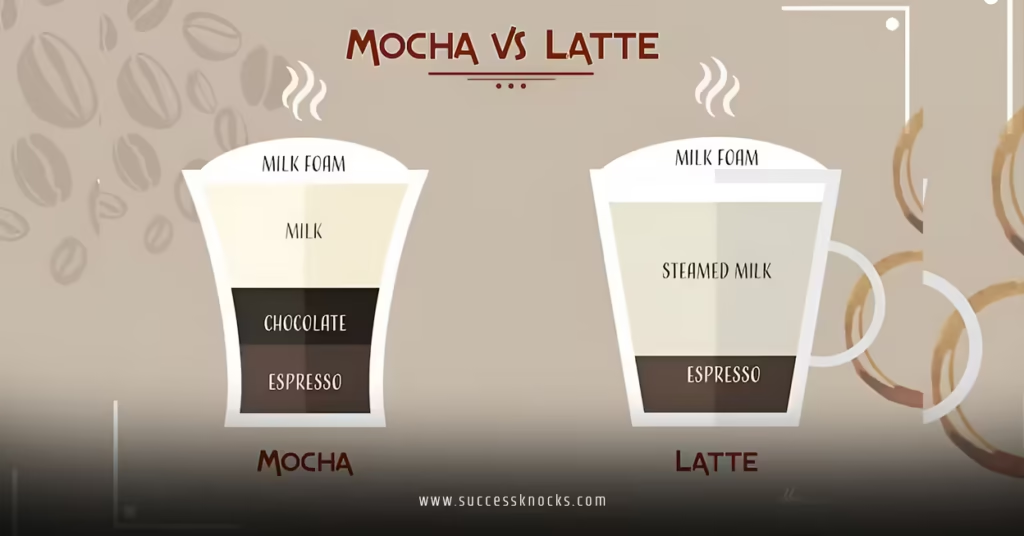
- Mocha = espresso + steamed milk + chocolate (syrup or powder)
- Latte = espresso + steamed milk + thin layer of foam
- Key difference: Chocolate transforms the entire flavor profile
- Caffeine content: Nearly identical (both use 1-2 shots espresso)
- Best for: Mochas suit dessert cravings; lattes highlight coffee quality
What Exactly Is a Mocha?
A mocha is essentially a chocolate-coffee hybrid. Think of it as the gateway drug between hot chocolate and serious coffee drinking.
The standard mocha formula:
- 1-2 shots espresso
- Steamed milk (about 6-8 oz)
- Chocolate syrup or powder (1-2 tablespoons)
- Optional whipped cream on top
The chocolate doesn’t just add sweetness—it fundamentally changes the drink’s character. Where espresso can be sharp and acidic, chocolate rounds out those edges with rich, sweet depth.
The Mocha Evolution
Originally called “caffè mocha,” this drink takes its name from the port city of Mocha in Yemen, historically famous for coffee trading. But here’s the kicker: modern mochas have virtually nothing to do with Yemeni coffee beans.
Today’s mochas are pure American innovation. Starbucks popularized them in the 1980s, and they’ve been a coffeehouse staple ever since.
Understanding the Classic Latte
A latte strips away all the bells and whistles. It’s espresso’s chance to shine through milk without chocolate stealing the spotlight.
Standard latte composition:
- 1-2 shots espresso
- 6-8 oz steamed milk
- Thin layer of microfoam (about ¼ inch)
The beauty lies in simplicity. Good lattes showcase the espresso’s natural flavors—whether that’s nutty, fruity, or caramel-forward—while milk provides creamy balance.
Latte Art and Culture
Lattes became the canvas for barista artistry. Those Instagram-worthy leaf patterns and heart designs? They’re only possible with properly steamed milk and the right foam consistency.
According to the Specialty Coffee Association, proper latte milk should be steamed to 150-160°F with microfoam that integrates seamlessly rather than sitting as a separate layer.
Mocha vs Latte: Head-to-Head Comparison
| Feature | Mocha | Latte |
|---|---|---|
| Calories | 250-400 | 150-220 |
| Sugar content | High (added chocolate) | Low (natural milk lactose) |
| Coffee flavor | Masked by chocolate | Prominent |
| Best time | Afternoon treat/dessert | Morning/anytime |
| Customization | Limited (chocolate is key) | Endless (syrups, milks) |
| Skill level to make | Beginner-friendly | Intermediate (foam technique) |
The Taste Profile Breakdown
Mocha Flavor Journey
Mochas hit different taste receptors in sequence:
- Initial sweetness from chocolate
- Coffee bitterness cutting through mid-palate
- Creamy finish from steamed milk
The chocolate doesn’t disappear—it creates a flavor bridge between coffee’s natural bitterness and milk’s sweetness. Some describe it as “liquid dessert,” and they’re not wrong.
Latte’s Subtle Symphony
Lattes offer a more nuanced experience:
- Espresso forward taste initially
- Milk sweetness balancing the acidity
- Clean finish that lets coffee notes linger
Quality matters tremendously here. Bad espresso can’t hide behind chocolate in a latte—every flaw gets amplified.
When to Choose Mocha vs Latte
Pick a Mocha When:
- You’re new to espresso drinks
- Craving something dessert-like
- It’s afternoon and you want comfort
- You prefer sweeter beverages
- Coffee’s natural bitterness feels too intense
Choose a Latte When:
- You want to taste the actual coffee
- It’s morning and you need clean energy
- You’re trying to reduce sugar intake
- You appreciate subtle flavors
- You want maximum customization options
Common Mistakes (And How to Fix Them)
Mocha Mistakes:
- Using cheap chocolate syrup: Upgrade to quality cocoa powder or dark chocolate syrup
- Over-sweetening: Let chocolate provide the sweetness; skip extra sugar
- Wrong milk temperature: Steam to 150-160°F, not boiling
Latte Mistakes:
- Scorched milk: Keep temperature under 160°F to preserve sweetness
- Poor espresso extraction: Use fresh beans and proper grind size
- Wrong milk ratio: Should be roughly 3:1 milk to espresso
Step-by-Step: Making Both at Home
Perfect Home Mocha:
- Brew 1-2 shots strong espresso (or ½ cup strong coffee)
- Add 1-2 tablespoons quality chocolate syrup to your mug
- Pour hot espresso over chocolate, stir well
- Steam milk to 150°F (or heat and froth with French press)
- Pour steamed milk, leaving room for foam
- Optional: Top with whipped cream
Stellar Home Latte:
- Brew 1-2 shots espresso (or ½ cup strong coffee)
- Pour espresso into large mug
- Steam milk to 150-160°F with microfoam
- Pour milk in steady stream from higher up
- Finish closer to surface for foam layer
- Practice latte art (optional but fun)
The National Coffee Association reports that 31% of Americans drink espresso-based beverages daily, with lattes and mochas comprising the majority of specialty drink orders.
Nutritional Reality Check
Here’s where things get interesting. That innocent-looking mocha packs significantly more calories than you might expect.
A 16-oz mocha typically contains:
- 350-400 calories
- 35-45g sugar
- 15-20g fat (from milk and chocolate)
Compare that to a 16-oz latte:
- 190-220 calories
- 18-20g sugar (natural milk lactose)
- 8-11g fat
If you’re watching your waistline, lattes clearly win. But mochas aren’t necessarily “bad”—they’re just more indulgent.
Regional Variations Worth Knowing
American Style:
- Heavy on chocolate syrup
- Often topped with whipped cream
- Sweetness dialed up to 11
European Approach:
- Dark chocolate powder preferred
- Less sweet overall
- Smaller serving sizes (8-12 oz typical)
Australian “Mocha”:
- Often includes a shot of chocolate powder in the cup
- More coffee-forward than American versions
- Sometimes called “chocolate latte”
The Economics of Your Choice
Home brewing costs (per 16-oz serving):
- Mocha: $0.85-$1.20 (including quality chocolate)
- Latte: $0.65-$0.90 (just espresso and milk)
Coffee shop pricing:
- Mocha: $4.50-$6.50
- Latte: $4.00-$5.50
The markup is real, but mochas cost more to make due to chocolate ingredients and extra preparation steps.
Key Takeaways
- Mochas are dessert drinks first, coffee drinks second—perfect for afternoon treats
- Lattes showcase espresso quality—choose them when you want to taste the coffee
- Nutrition matters: Mochas pack 60% more calories than lattes
- Skill requirements differ: Anyone can make a decent mocha; lattes demand better technique
- Customization potential: Lattes win for endless flavor variations
- Gateway effect: Mochas often lead people toward appreciating straight coffee
- Time of day impacts choice: Mochas suit afternoon/evening; lattes work anytime
- Quality chocolate transforms mochas completely—invest in good ingredients
According to industry research from the International Coffee Organization, specialty coffee consumption has grown 20% annually since 2020, with milk-based espresso drinks leading the trend.
Bottom Line
Mocha vs latte isn’t really a competition—they serve different purposes entirely. Mochas satisfy your sweet tooth while delivering caffeine. Lattes let espresso shine while providing creamy comfort.
Your choice depends on what you’re seeking: indulgence or appreciation, dessert or drink, chocolate comfort or coffee clarity.
Try both. Understand what each offers. Then pick your moment.
The best coffee drink is simply the one that makes your day better.
Frequently Asked Questions
Q: Is a mocha just a latte with chocolate added?
A: Essentially yes, but the chocolate fundamentally changes the flavor profile and nutritional content. It’s not just an add-on—it transforms the entire drink experience from coffee-forward to dessert-like.
Q: Which has more caffeine, mocha vs latte?
A: They contain nearly identical caffeine levels since both use the same amount of espresso (1-2 shots). The difference is negligible—about 65-130mg of caffeine per serving.
Q: Can I make mocha vs latte comparisons if I’m lactose intolerant?
A: Absolutely. Both drinks work perfectly with alternative milks like oat, almond, or soy. Oat milk particularly shines in both applications due to its natural sweetness and frothing ability.
Q: Why do mochas cost more than lattes at coffee shops?
A: Mochas require additional ingredients (chocolate syrup or powder) and often more labor-intensive preparation. The chocolate component adds both material costs and preparation time.
Q: Which is better for someone new to coffee—mocha vs latte?
A: Mochas typically work better for coffee beginners because chocolate masks espresso’s natural bitterness. However, if you want to develop coffee appreciation, start with lattes to taste actual espresso flavors.