Food safety
If you serve food to paying customers, you have a legal responsibility to follow safety guidance designed to minimize risks. There are several steps involved in the process of creating meals and putting them on a table in front of a diner. It’s essential to ensure you comply with regulations at every stage. This covers buying, storing, preparing, cooking, chilling, and freezing food. Regulations are in place to protect clients from infections, contamination, and health issues such as food poisoning. All team members should be aware of food safety practices, and training should be renewed and updated regularly. It’s also important to make sure your kitchen is clean. If you don’t have in-house cleaners, look for local companies that specialize in commercial cleaning with experience in working in restaurants and eateries. For example, companies like cook air clean are fantastic for hood cleaning services, and you can find others to cover the other areas.
Reducing fire risks
Kitchens can be incredibly dangerous places, especially when it comes to fire risks. If you own a restaurant, it’s vital to be aware of hazards. You will need to adhere to rules and regulations regarding fire safety, but you can go above and beyond the basics to offer additional protection to your employees and customers. Implementing more robust policies, providing training, and carrying out regular risk assessments are examples. It’s also important to find reliable, reputable businesses you can work with to enhance safety through specialist services like kitchen extract cleaning. Thorough, regular cleaning can help you ensure compliance, improve ventilation system performance and durability, and protect your rights in terms of insurance. Take your time to research firms, explore services, and compare quotes before you decide who to hire.
Allergens
Studies show that over 10% of US adults have a food allergy. As a restaurant owner, it’s beneficial to go the extra mile to improve your understanding of allergies and their implications for diners or members of staff. If you serve food to the general public, you’ll need to ensure you adhere to guidance governing points, such as menu and dish descriptions, allergy lists, and handling different types of foods in a single area. It’s vital that diners are aware of foods that contain allergens and that they can access information about how food is prepared and cooked on-site. It’s important for staff to have the relevant knowledge and training in terms of how to prepare and serve food safely, but they could also benefit from additional training. First aid training is an excellent example.
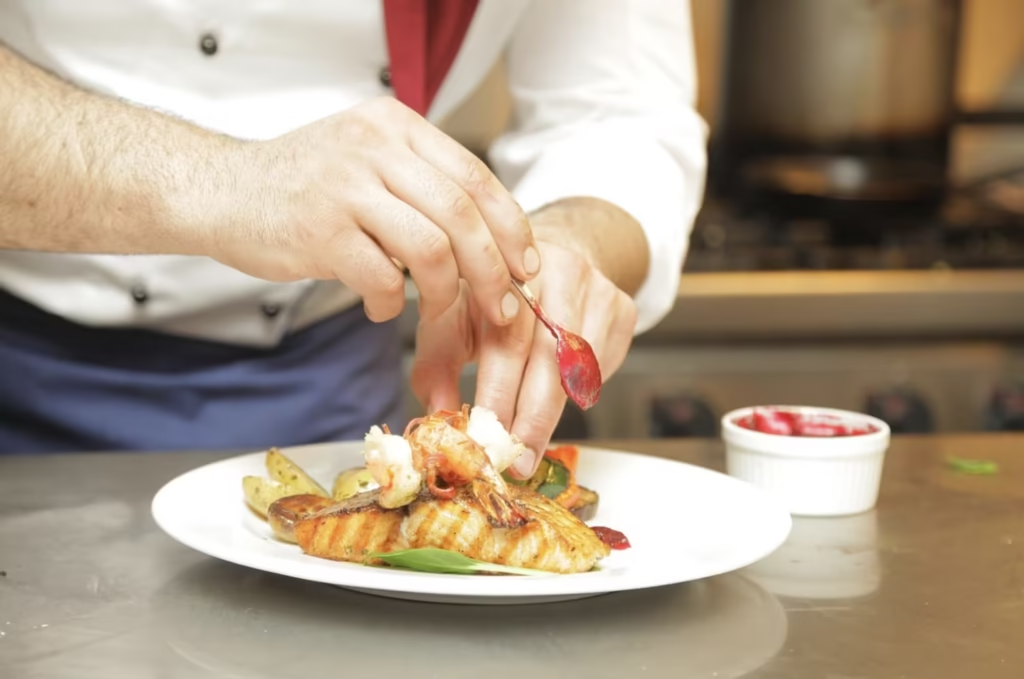
Image via pixabay.com
Running a successful restaurant depends heavily on providing customers with tasty food and an enjoyable dining experience, but safety is also critical. As a business owner, it’s essential to recognize the importance of protecting your employees and clients. Key areas to focus on include food safety, reducing fire risks, and preventing issues related to food allergies.