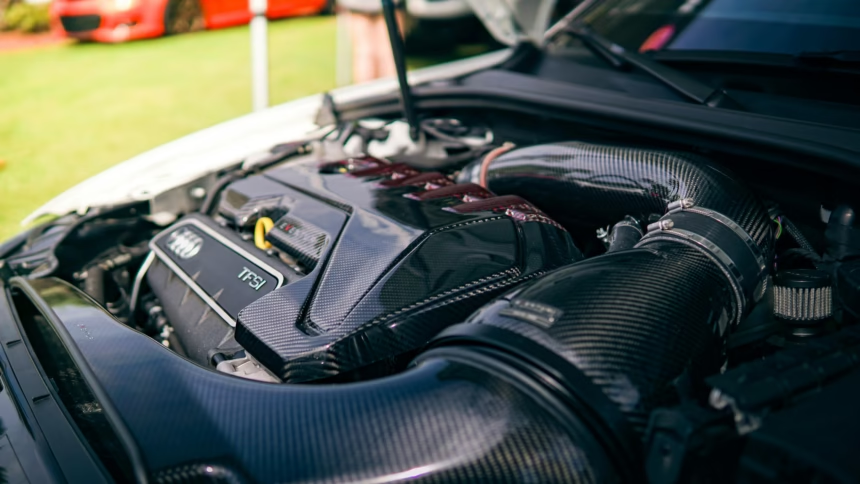
Upgrading intake components can improve the way an engine breathes, but it is not something to approach blindly. The intake system affects airflow, filtration, temperature, and sensor readings, so even a simple change can influence performance, reliability, and drivability. Before buying parts, it helps to understand what the upgrade is meant to achieve and whether it actually suits the vehicle.
Understand What You Are Changing
The intake system controls how air is drawn in, filtered, and delivered to the engine. That directly affects airflow, combustion efficiency, and throttle response. Many drivers upgrade intake parts to reduce restriction, support other modifications, or replace worn factory components with something more durable.
That said, not every vehicle has a restrictive factory setup. In some cases, the original design already balances airflow, filtration, and heat control well for daily driving. Comparing parts such as K&N filters and high flow air intake options can help show whether the vehicle would benefit from improved filtration alone or from a more substantial intake change.
Make Sure the Parts Suit the Vehicle
A good intake upgrade must match the vehicle’s engine, layout, and intended use. A part that fits physically is not always the right one mechanically. Pipe sizing, filter position, sensor placement, and airbox design all affect how the engine behaves once the new components are installed.
This matters even more on modern vehicles, where small changes can upset factory calibration. A poor fit or badly designed intake path can lead to rough running, inconsistent throttle response, or reduced efficiency. Checking proper vehicle compatibility is one of the most important steps before making any purchase.
Balance Airflow With Filtration
Higher airflow often gets most of the attention, but filtration should never be treated as secondary. The intake system is also the engine’s first defence against dust, dirt, and debris. If a filter flows well but does a weaker job of trapping contaminants, the long-term cost can outweigh any short-term gain.
This is why filter construction, sealing quality, and real-world driving conditions all matter. A car driven mainly on clean urban roads may cope differently from one that regularly sees dusty highways or worksite conditions. The best upgrade is one that improves breathing without weakening engine protection.
Pay Attention to Heat and Air Source
Cooler air is denser, which helps the engine perform more consistently. That means intake design is not only about reducing restriction. It is also about where the system pulls air from. If the setup draws hot air from the engine bay, expected gains may be limited, especially in warmer Australian conditions.
A well-planned upgrade should consider heat soak and the full intake path, not just the filter itself. Some aftermarket systems improve airflow on paper, but place the intake in a hotter location than the factory arrangement. In those cases, the change may sound more than actual performance.
Watch for Sensor and Tuning Effects
Many modern vehicles rely on sensors to measure incoming air and adjust fuel delivery. Parts such as the mass airflow sensor can react badly to changes in turbulence, pipe diameter, or mounting position. When that happens, the result may be warning lights, unstable idling, or inconsistent engine response.
Some cars adapt to mild intake changes, while others benefit from recalibration, especially when the intake is part of a broader performance setup. It is better to think of the intake system as one part of the overall engine package rather than as a standalone upgrade.
Choose Based on Real Use
Intake upgrades should suit how the vehicle is driven, not just how the product is marketed. A daily driver, tow vehicle, or weekend project car will all have different needs. Noise levels, maintenance demands, and compliance considerations are just as important as claimed performance gains.
The best intake upgrade is usually the one that fits the engine properly, preserves filtration quality, manages heat, and works reliably over time. A measured choice will almost always deliver better results than buying the most aggressive option available.
Where Better Upgrades Start
Before upgrading intake components, it is worth stepping back and looking at the whole system. Airflow, filtration, temperature control, fitment, and sensor compatibility all play a part in whether the change is worthwhile. When the parts match the vehicle, and the goal is realistic, an intake upgrade can be a useful improvement rather than an expensive guess.