Key Takeaways
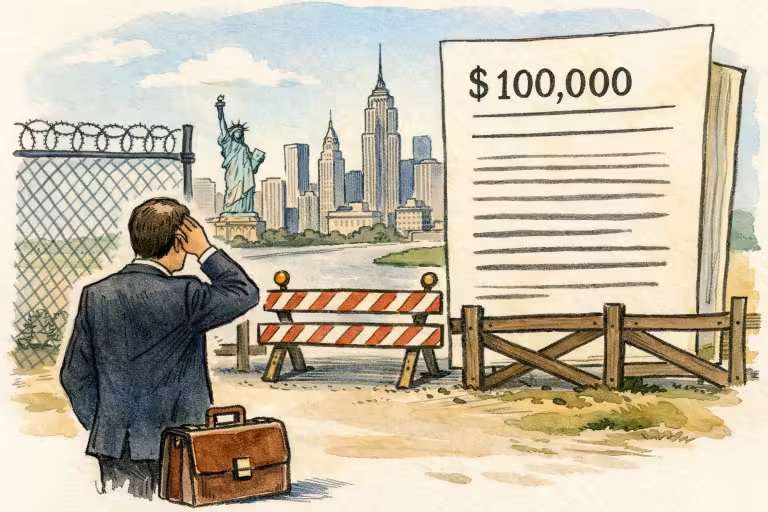
- H-1B application fees have risen sharply, now requiring a $100,000 outlay for new petitions.
- Lottery selection has been replaced by a wage-based preference model.
- States such as Texas are imposing additional restrictions on H-1B petitions at state agencies and public institutions.
- Experts anticipate a significant decline in new H-1B applications due to these combined changes.
The H-1B visa program remains vital to U.S. companies hiring highly skilled foreign professionals, but recent changes have reshaped the landscape. For those seeking to understand new rules and how to best position themselves, understanding the latest H-1B visa requirements is essential. These sweeping reforms touch every stage of the process, directly impacting both businesses and international workers. New federal policies and state-level actions mean increased scrutiny and higher costs are now central components of the H-1B experience. With a sharper focus on wages and local employment protection, the program’s accessibility and purpose are being re-examined across the United States. Both employers and applicants must be ready to strategize and respond to stay competitive in this shifting environment. Increased fees, a pivot from the traditional lottery to a wage-based system, and state-specific restrictions are shaping the future of high-skilled immigration.
Introduction of the $100,000 Application Fee
In September 2025, the federal government introduced a $100,000 application fee for new H-1B visa petitions. This dramatic increase is framed by policymakers as a way to protect domestic labor and discourage the program’s use for lower-wage positions. Proponents argue that this deters wage suppression and prioritizes local hires, but industry leaders voice significant concern. The fee threatens to limit participation to only well-capitalized companies, excluding startups and smaller businesses from international recruitment. With workforce diversity and innovation on the line, many fear the rise in costs will have far-reaching negative effects on the American economy.
Shift to Wage-Based Selection Process
The H-1B selection process previously used a random lottery due to overwhelming demand. Under the new regulations, selection now favors the highest wage levels, rewarding employers offering top-tier compensation. Although designed to ensure fair pay and attract elite professionals, this approach can leave entry-level workers and smaller companies at a disadvantage. Reduced opportunities for new graduates and shifts in recruitment tactics are likely to follow. Analysis from Time details both the expected benefits and serious tradeoffs associated with the wage-based model.
State-Level Restrictions and Their Impact
The federal overhaul is compounded by state-level actions, most notably in Texas, where a freeze on new H-1B petitions for state agencies, including public universities, was implemented in early 2026. This move reflects growing local resistance to perceived negative impacts of foreign worker programs on the domestic workforce. Other states are exploring or enacting similar barriers, creating a more fragmented landscape for applicants and employers. Institutional leaders fear that such restrictions could harm academic research, university staffing, and state-led innovation efforts. Understanding the patchwork of rules is now a critical part of workforce planning for any organization dependent on international personnel.
Anticipated Decline in H-1B Applications
Recent changes are expected to result in a pronounced reduction in annual H-1B filings. With increased financial requirements and a labor market favoring only the highest paid, many businesses and skilled workers might opt out of the process. Analysts predict up to a 50% decrease in applications. This will hit industries most reliant on specialized foreign talent, like technology and medicine, particularly hard.
Implications for Employers and Applicants
For business leaders, these regulations mean increased competition for domestic talent and potential gaps in hard-to-fill roles. Applicants from smaller organizations or in entry-level positions will face new obstacles to securing H-1B sponsorship, leading some to reconsider career and migration plans. Companies must adapt their hiring practices to meet higher wage requirements and ensure compliance with a complex web of local and federal mandates. Skilled workers, meanwhile, will need to target positions with the highest compensation or consider alternate immigration destinations.
Navigating the New H-1B Landscape
For Employers
- Assess and adjust salaries to compete within the wage-based selection process.
- Monitor both state and federal H-1B policy developments for compliance.
- Explore supplementary workforce strategies, such as remote employment or alternative visas.
For Applicants
- Pursue roles offering above median wages to enhance selection odds.
- Keep informed about ongoing regulatory shifts impacting visa eligibility.
- Consider immigration opportunities in other technologically advanced economies if U.S. options appear limited.
Final Thoughts
The new H-1B policies signify a major transformation in U.S. skilled immigration. Stakeholders should stay up to date and actively adjust their strategies to thrive amid ongoing change. While challenges remain for both companies and international workers, those who act with foresight and agility will be best equipped to navigate the evolving landscape and maintain a global edge.