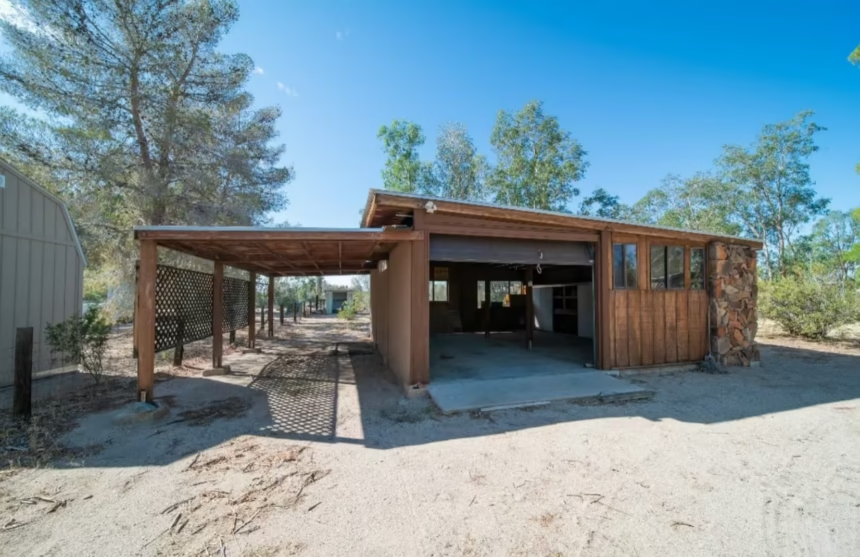
A detached garage can transform a property in ways that go far beyond simple parking. It adds storage, workspace, hobby room, and resale appeal, all while keeping noise, fumes, and clutter away from the main house. Yet many homeowners jump into the project without fully understanding what goes into it. Building one is not just about pouring a slab and raising four walls. There are decisions about size, materials, permits, drainage, and long-term use that shape the outcome for decades. Taking time to plan properly saves money, frustration, and rework later on.
Choosing the Right Building Materials
The materials you select will influence durability, maintenance, insulation, and the overall feel of the structure. Concrete masonry units are a popular pick for detached garages because they handle weather, resist fire, and stand up to heavy use without much fuss. Many homeowners weigh block construction against wood framing, and the choice often comes down to climate, budget, and how the space will eventually be used. Once block construction is on the table, the next question is where those blocks actually come from. Nearby block yards stock cinder, concrete, and cement units in a range of sizes, and they typically carry the matching mortar, rebar, and accessories needed to complete the job.
These yards also offer something an online order cannot, which is the chance to walk the inventory, check block consistency in person, and ask staff about which units suit a residential garage build. Working with local cinder block suppliers gives you direct access to product knowledge, faster delivery windows, and the ability to reorder quickly if the build calls for more material than expected. Beyond the walls, you will also need to think through roofing, doors, windows, and any siding or veneer that ties the garage visually to the main house.
Planning the Size and Layout
Garage size is one of the most common regrets among homeowners. Many people build smaller than they need because they only think about today’s vehicles, not tomorrow’s storage, tools, or projects. A two-car garage feels generous on paper, but fills up quickly once shelving, bicycles, lawn equipment, and a workbench move in. Think carefully about ceiling height, too, since taller bays open up the option for overhead storage racks or even a future lift.
Door width and door count matter just as much. A single wide door is simpler structurally, but two separate doors give flexibility when only one vehicle needs to come or go. Sketch the layout on paper, walk through it mentally, and imagine using the space during all four seasons.
Permits, Zoning, and Property Rules
Almost every municipality requires a permit for a detached garage, and the rules can be surprisingly detailed. Setback requirements dictate how close the structure can sit to property lines, fences, and the main house. Height restrictions, lot coverage limits, and easement rules can all reshape your plans.
If your property falls under a homeowners association, expect another layer of review covering exterior finishes, roof pitch, and even paint color. Skipping this step is a costly mistake. Unpermitted structures can trigger fines, force tear-downs, or create headaches when you eventually try to sell. Visit your local building department early in the process and ask for a written list of requirements before any drawings are finalized.
Site Preparation and Drainage
The ground beneath your garage matters as much as the walls above it. A poorly prepared site leads to cracked slabs, shifting walls, and water problems that show up years later. Start by surveying the spot for grade, soil type, and drainage patterns. Water should always flow away from the slab, not toward it.
Tree roots, old utility lines, and buried debris are common surprises that can derail a build, so an inspection before excavation is well worth the effort. Compaction of the base, proper gravel depth, and a vapor barrier under the slab all contribute to a foundation that lasts. If the lot slopes, a retaining wall or regrading work may be needed before construction can even begin.
Long Term Maintenance and Resale Value
A garage is a long-term investment, and the choices made during construction shape how much upkeep it will need over time. Quality roofing, properly flashed openings, and durable exterior finishes reduce repair calls in the years ahead. Ventilation deserves a place on the planning checklist as well, since trapped moisture leads to mildew, rust, and rot.
Buyers often see a well-built detached garage as a major asset, especially when it offers extra storage, workspace, or potential for conversion. Building with future flexibility in mind, such as roughed-in utilities or a reinforced ceiling, keeps options open whether you stay in the home or sell down the road.
A detached garage is one of the larger additions a homeowner can make, and the payoff depends almost entirely on the planning that happens before the first shovel hits dirt. Get the foundation right, choose materials carefully, follow the local rules, and design for the way you actually live, and the result will serve your household well for many years.