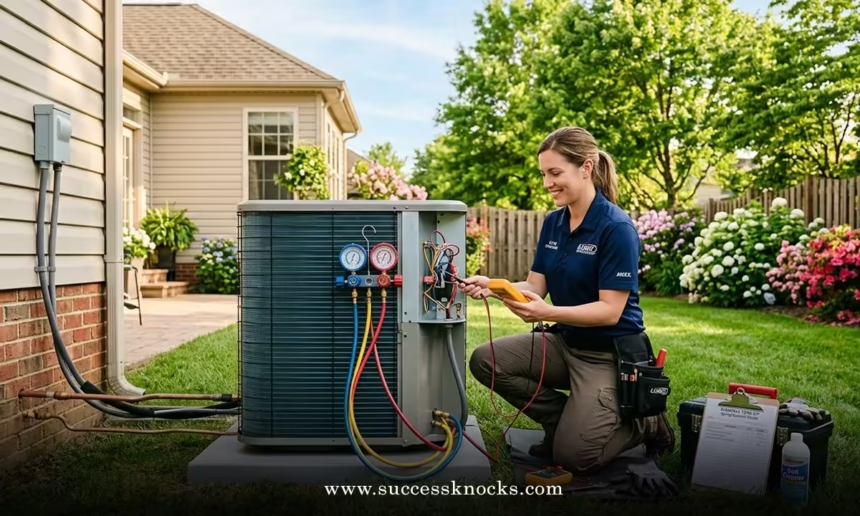
Seasonal HVAC tune‑ups are the difference between a system that quietly does its job and one that dies on the first really hot or really cold day of the year. If you’ve ever stared at a dead thermostat in July or January, you know the pain.
The good news? A simple, repeatable seasonal HVAC tune‑up checklist keeps your system efficient, reliable, and safer—without you needing to be a technician.
And if you’re not comfortable doing some of the deeper tasks, that’s where affordable HVAC installers in London or your local pros come in as your go‑to backup crew.
Why seasonal HVAC tune‑ups matter
Before jumping into the checklist, it helps to understand what you’re actually trying to achieve.
Seasonal HVAC tune‑ups help you:
- Extend the lifespan of your system by reducing strain on key components.
- Lower energy bills by keeping airflow and efficiency high.
- Catch small issues early, before they become expensive breakdowns.
- Improve indoor air quality for everyone in the house.
Think of it like servicing a car: you can get away with skipping it for a while… but you’ll eventually pay for it.
The core seasonal HVAC tune‑up schedule
Aim for two key tune‑ups per year:
- Spring tune‑up – prep for cooling season.
- Autumn tune‑up – prep for heating season.
In milder climates, you can sometimes combine tasks. In more extreme areas, stay strict with this schedule—systems work harder, and failures hurt more.
Seasonal HVAC tune‑up checklist (homeowner version)
Here’s a practical, no-nonsense seasonal HVAC tune‑up checklist you can follow yourself. Some tasks are DIY‑friendly; some are better left to a qualified tech.
1. Change or clean air filters
Frequency: every 1–3 months, minimum at each seasonal tune‑up.
- Locate your return air filter(s).
- Replace disposable filters or wash reusable ones according to manufacturer instructions.
- Use the right size and rating (don’t just guess—check the label).
Dirty filters are the number one DIY‑fixable cause of poor airflow, high bills, and unnecessary wear.
2. Check thermostat settings and operation
- Confirm the thermostat is level (if older) and firmly mounted.
- Test heating and cooling modes to confirm the system responds correctly.
- Update schedules for seasonal use—more cooling cycles in summer, more heating cycles in winter.
If you’re still on a basic manual stat, consider upgrading to a programmable or smart thermostat. It’s one of the simplest efficiency wins.
3. Inspect vents, registers, and grilles
- Make sure vents aren’t blocked by furniture, curtains, or boxes.
- Vacuum dust from supply and return grilles.
- Confirm all vents that should be open are actually open (no half‑shut dampers).
Blocking vents doesn’t “force more air” to other rooms. It just throws off system balance and can increase pressure on the ductwork and blower.
4. Clear the area around indoor equipment
- Check that your indoor unit (air handler or furnace) has clear space around it.
- Remove stored items, cardboard boxes, and anything flammable from nearby.
- Make sure access panels aren’t blocked—your future self or your technician will thank you.
Clutter around equipment can be a safety hazard and makes maintenance a nightmare.
5. Inspect and clean the outdoor unit (if you have AC or a heat pump)
For central AC and many heat pumps:
- Turn off power at the disconnect before doing anything.
- Remove leaves, branches, and debris from around the unit.
- Gently hose off the coils from the outside in, avoiding high‑pressure settings.
- Maintain at least 2–3 feet of clear space around the unit for airflow.
If coils are heavily clogged or bent, call a pro. Over‑enthusiastic cleaning can cause damage.
6. Listen and smell for trouble
During your seasonal HVAC tune‑up, use your senses:
- Sounds: grinding, squealing, rattling, or banging noises are all red flags.
- Smells: burning, electrical, or musty odours can indicate wiring issues, dust burn‑off, or mould.
Some odour right after first startup (especially heat) can be normal as dust burns off, but anything persistent needs attention.
7. Check visible ductwork (where accessible)
- Look for obvious gaps, disconnected sections, or crushed runs.
- Feel for air leaks at joints when the system is running.
- If safe and accessible, seal small gaps with mastic or proper foil tape (not standard duct tape).
Big duct issues or hard‑to‑reach areas are a good reason to bring in pros—this is where affordable HVAC installers in London or similar local experts can often save you money long term by tightening up your system.
Pro-level seasonal HVAC tune‑up checklist (what a technician does)
A thorough professional tune‑up goes deeper. When you schedule a spring or autumn visit, a good contractor typically:
- Tests voltage, current draw, and safety devices.
- Checks and adjusts refrigerant levels on AC/heat pumps.
- Cleans evaporator and condenser coils properly.
- Lubricates motors (where applicable).
- Inspects and tests capacitors, contactors, and relays.
- Checks flue and combustion on gas furnaces/boilers for safety.
- Measures temperature split and static pressure.
- Confirms proper drainage from condensate lines.
If you’re wondering whether it’s worth paying for a professional tune‑up: catching one failing capacitor or a marginal heat exchanger early can easily cover the visit cost.
Seasonal HVAC tune‑up checklist: spring (cooling prep)
Here’s a focused spring list to get your system ready for summer.
Spring DIY steps
- Change/clean air filters.
- Clear and clean the outdoor condensing unit.
- Test cooling mode and confirm cool air at vents.
- Check that the condensate drain is clear (look for water around the indoor unit or pan).
- Adjust thermostat schedules for warmer months.
If your system struggles to keep up, freezes up, or short‑cycles (frequent on/off), pull back and call a technician—those symptoms often point to deeper issues.
What your technician should check in spring
A pro should:
- Verify refrigerant charge and look for signs of leaks.
- Clean both indoor and outdoor coils thoroughly.
- Check blower wheel and motor condition.
- Test capacitors and electrical connections.
- Confirm correct temperature differential across the coil.
If they skip half of this and call it a “tune‑up,” you’re not getting real value.

Seasonal HVAC tune‑up checklist: autumn (heating prep
When temperatures drop, your heating system moves from standby to frontline. Time to prep it.
Autumn DIY steps
- Replace or clean filters.
- Turn on heat mode before you “need” it and test for warm air.
- Listen for unusual noises from furnaces, boilers, or air handlers.
- Check that radiators (for hydronic systems) heat evenly, and bleed them if needed.
A little burning dust smell at first start can be normal. Anything metallic, acrid, or persistent—shut it down and call a pro.
What your technician should check in autumn
For gas or fuel‑based heating, a professional tune‑up is strongly recommended for safety. They should:
- Inspect heat exchangers for cracks or damage.
- Test ignition systems and burners.
- Check flue or chimney draft and condition.
- Confirm all safety switches and sensors operate correctly.
- Test for proper combustion and venting.
Carbon monoxide risk alone makes a proper heating tune‑up a smart move.
When to call pros vs. DIY
A natural question: Where’s the line between what I can safely do and what a tech should handle?
DIY‑friendly tasks:
- Replacing filters.
- Cleaning around indoor and outdoor units.
- Checking thermostat operation.
- Visual inspection of accessible ducts and vents.
Call a professional for:
- Electrical checks and repairs.
- Refrigerant checks/charging.
- Combustion and flue inspections.
- Any work that requires panel removal or special tools.
If you’re in a major city, you can often find affordable HVAC installers in London–style companies in your own region—mid‑sized firms that offer solid tune‑up packages without boutique pricing.
How seasonal tune‑ups cut energy bills
Regular seasonal HVAC tune‑ups support efficiency in multiple ways:
- Clean filters and coils reduce airflow resistance.
- Correct refrigerant charge improves heat transfer.
- Tight electrical connections limit energy waste and potential overheating.
- Well‑set thermostats and controls reduce unnecessary run‑time.
Over a year, that can translate into noticeably lower energy bills, especially in homes where the system runs many hours per day.
Even government and energy agencies regularly remind homeowners that maintenance is part of achieving rated efficiency—those numbers assume a well‑maintained system, not one choked with dust.
Simple seasonal HVAC tune‑up log (to stay organised)
You don’t need fancy software. A notepad or simple spreadsheet works.
Track:
- Date of filter change.
- Date of spring tune‑up, plus what was done.
- Date of autumn tune‑up, plus what was done.
- Any parts replaced and by which contractor.
After a couple of years, patterns jump out—like a component that keeps failing, or a system that always struggles at certain temperatures. That history helps you and your contractor make smarter decisions.
What I’d do if I were setting up a seasonal HVAC tune‑up routine
If I were starting from zero:
- Pick two fixed months for tune‑ups (e.g., April for cooling, October for heating).
- Set reminders on my phone or calendar a couple of weeks in advance.
- Do the DIY checklist myself first: filters, vents, thermostat, basic cleaning.
- Book a professional visit once a year at minimum, twice if my system is older or heavily used.
- Keep a simple log of what was done and any recommendations.
- If my system is older than 10–15 years and repairs start stacking up, begin planning for replacement instead of sinking money into endless fixes.
Think of this routine as a “subscription” to comfort and predictability, not just one more chore.
Key takeaways
- A seasonal HVAC tune‑up checklist helps your system run more efficiently, last longer, and fail less often.
- Aim for two main tune‑ups per year—spring for cooling, autumn for heating.
- Homeowners can handle basics like filters, vents, thermostat checks, and light cleaning.
- Pros should handle deeper electrical, refrigerant, and combustion checks.
- Consistent tune‑ups reduce energy bills and catch small problems before they become major breakdowns.
- Keep a simple log of maintenance dates and issues to spot patterns and plan replacements.
- When in doubt, get a qualified technician involved rather than guessing with safety‑critical components.
FAQ :
FAQ 1: How often should I follow a seasonal HVAC tune‑up checklist?
Most homes do best with two major tune‑ups per year: one in spring before cooling season and one in autumn before heating season. If you run your system heavily, have pets, or live in a dusty environment, you may want to add filter checks monthly and consider an extra mid‑season check.
FAQ 2: Can I safely do a seasonal HVAC tune‑up myself?
You can absolutely handle basic tasks like changing filters, cleaning around indoor and outdoor units, checking vents, and testing the thermostat. Anything involving electrical components, refrigerant, or gas/combustion should be handled by a qualified professional such as affordable HVAC installers in London or a reputable local contractor in your area.
FAQ 3: Will a seasonal HVAC tune‑up really lower my energy bills?
Yes, in most cases. Keeping filters clean, coils clear, refrigerant at proper levels, and controls set correctly reduces strain on your system and helps it reach the efficiency it was designed for. Over time, this usually means fewer runtime hours, less wasted energy, and noticeable savings on your utility bills.