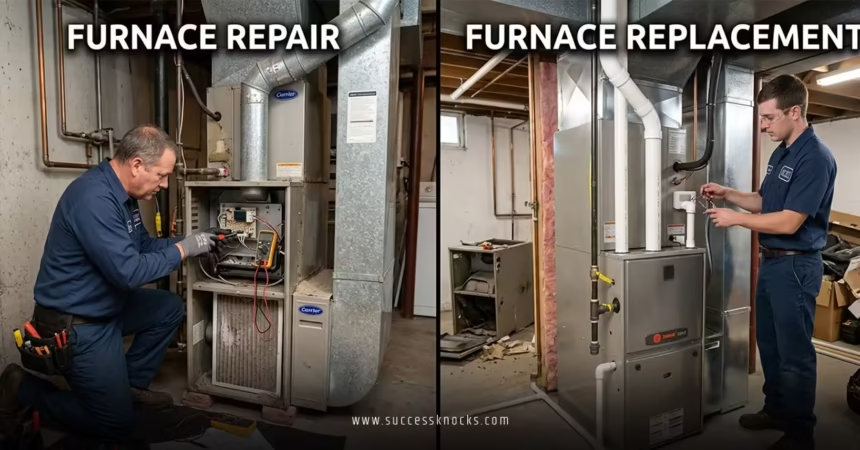
Furnace repair vs replacement is one of those decisions that can quietly cost you thousands if you get it wrong. Replace too early and you burn money. Wait too long and you risk no heat, frozen pipes, and a 2 a.m. scramble to find emergency HVAC installers Manchester to bail you out.
This guide breaks it down so you can:
- Tell when repair makes sense.
- Recognize the point where replacement is smarter.
- Avoid getting pushed into big-ticket work you don’t actually need.
Quick Snapshot: When to Repair vs When to Replace
If you want the 30‑second version, here it is:
- Lean toward REPAIR if your furnace is under 10 years old, repairs are under ~15–20% of a new system, and breakdowns are rare.
- Lean toward REPLACEMENT if the unit is 15+ years old, repairs are stacking up, efficiency is poor, or there’s a safety issue like a cracked heat exchanger.
- Go EMERGENCY if you smell gas, see soot or scorch marks, or have no heat in dangerously cold temps. That’s when calling pros like emergency HVAC installers Manchester moves from “nice” to “non‑negotiable.”
Think of this as your decision playbook, not a sales pitch.
Step 1: Know Your Furnace’s Age and Type
Before talking money, you need the basics.
How old is your furnace?
- Under 10 years: Usually repair.
- 10–15 years: Could go either way depending on condition and efficiency.
- 15–20+ years: You’re in “strong replacement candidate” territory.
Most gas furnaces last around 15–20 years when maintained, based on common industry expectations. Past that, parts get harder to find, efficiency lags, and failures become more frequent.
What type of furnace do you have?
- Standard efficiency gas furnace
- High-efficiency condensing gas furnace
- Oil furnace
- Electric furnace
Why it matters: high‑efficiency units have more components (like secondary heat exchangers and condensate systems) that can fail but often deliver lower bills. Oil furnaces can be expensive to maintain and fuel. Electric furnaces are simpler mechanically but can cost more to operate depending on your electricity rates.
If you’re not sure, check:
- The label on the inside of the blower door.
- Any installer stickers on or near the unit.
Step 2: Run the “50% Rule” (Without Overcomplicating It)
A common rule of thumb in HVAC is simple:
If repair cost ≈ 50% of replacement cost and your furnace is halfway or more through its expected life, lean toward replacement.
Example:
- New furnace installed: $6,000 (just an example number).
- Major repair estimate: $2,500–$3,000.
- Furnace age: 15 years.
In that scenario, replacement is usually the smarter long‑term move.
On the other hand:
- New furnace: $6,000.
- Repair: $300 igniter replacement.
- Age: 8 years.
That’s a clear “repair it” situation.
The 50% rule isn’t a law, but it’s a useful line in the sand when you’re staring at a big invoice.
Step 3: Look at Your Repair History (Not Just Today’s Quote)
Ask yourself:
- How many times have you called for furnace repair in the last 2–3 winters?
- Are the visits minor (cleaning, small parts) or major (blowers, control boards, heat exchangers)?
Patterns matter more than a single breakdown.
Good repair candidate
- One breakdown every few years.
- Mostly minor or moderate fixes.
- No safety issues reported.
Good replacement candidate
- Multiple visits in a single heating season.
- Expensive parts replaced recently (blower motor, board) and still more problems.
- Techs are warning you about system age or overall condition.
If your furnace has become a subscription service for repair techs, that’s your sign.
Step 4: Factor in Efficiency and Energy Bills
Even if your furnace still “runs,” it might be quietly draining your wallet.
Older furnaces often have lower AFUE (Annual Fuel Utilization Efficiency). For example:
- Older units may be around 70–80% AFUE.
- Modern high‑efficiency units can hit 95%+ AFUE.
In plain English: with higher AFUE, more of your fuel dollars turn into usable heat instead of going up the flue.
If your winter gas or oil bills have crept up despite similar usage and weather, declining efficiency could be part of the story. Sometimes what looks like a repair vs replacement decision is really a monthly cash flow decision.
Step 5: Safety Trumps Everything
This part isn’t optional.
Situations where replacement — or at least serious professional evaluation — jumps to the front of the line:
- Cracked heat exchanger: Can lead to carbon monoxide entering your home. Many pros will shut down the furnace and tag it out if they find this.
- Persistent burner problems: Soot, odd flame behavior, frequent flame rollout.
- Repeated carbon monoxide alarm triggers while the furnace is running.
If your tech flags a safety issue, that’s not “upsell territory.” That’s something you take seriously.
If you smell gas or suspect a leak, get everyone out, call your gas utility/emergency services, and then bring in qualified pros. That’s when searching for teams like emergency HVAC installers Manchester makes sense because you’re not just uncomfortable — you’re potentially in danger.
Furnace Repair vs Replacement: Side‑by‑Side Comparison
Here’s a quick comparison you can actually use.
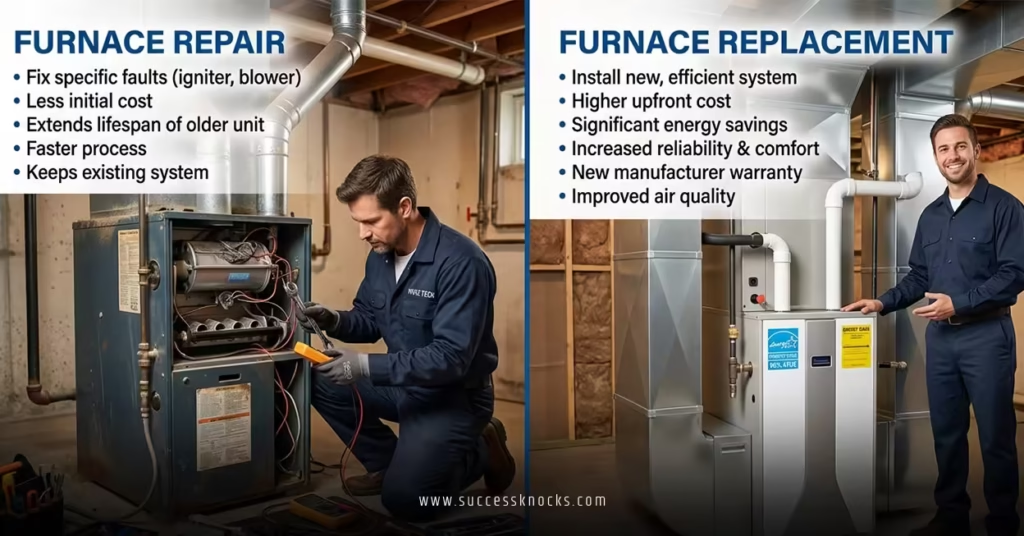
| Factor | Repair Makes Sense When… | Replacement Makes Sense When… |
|---|---|---|
| Age | Under ~10–12 years, generally in good condition | 15–20+ years or near the end of its expected lifespan |
| Cost | Repair is < 15–20% of a new furnace and not recurring often | Repair is ≈ 50% or more of replacement, or major parts keep failing |
| Reliability | Few breakdowns, long gaps between service calls | Multiple breakdowns in recent seasons, especially in peak winter |
| Safety | No serious safety issues reported by techs | Cracked heat exchanger, combustion concerns, or repeated CO alarms |
| Efficiency | Bills are stable, performance is solid, home heats evenly | Bills increasing, cold spots in home, furnace runs constantly |
| Comfort & Features | You’re okay with current comfort level and basic controls | You want quieter operation, better zoning, smart thermostats, or cleaner air |
Real‑World Scenarios: What I’d Do If…
Sometimes examples make it click. Here’s how I’d think through a few common situations.
Scenario 1: 8‑year‑old furnace, first big breakdown
- Quoted $400 for a new control board.
- No prior issues, no safety flags, bills are normal.
What I’d do: Repair it. Then schedule proper maintenance each year and keep an eye on future performance.
Scenario 2: 17‑year‑old furnace, $1,800 blower and board repair
- Multiple breakdowns over last 2 winters.
- Tech mentions rust and wear, and the unit is loud and inefficient.
What I’d do: Replace it. You’re already on borrowed time and pouring money into old hardware.
Scenario 3: 12‑year‑old furnace, cracked heat exchanger
- Tech shows photos, explains CO risk, and tags furnace unsafe.
- Winter is in full swing.
What I’d do: Shut it down. If temps are dangerous, call for emergency help — this is where teams like emergency HVAC installers Manchester earn their keep with fast solutions and temporary heat if needed. Then fast‑track a properly sized, code‑compliant replacement.
How to Handle the Conversation With Your HVAC Tech
Here’s where people get tripped up: they don’t ask the right questions.
When you’re facing a furnace repair vs replacement decision, ask:
- “If this were your house, what would you do and why?”
- “How long do you realistically think this furnace will last if we repair it today?”
- “Are there any safety or code issues that concern you right now?”
- “Can you give me both a repair quote and a replacement estimate so I can compare?”
Watch for answers that are specific, not generic. You want reasoning, not “because it’s old” or “because new is better.”
Hidden Costs People Forget When Deciding
This is the stuff that doesn’t always show up on the first quote.
Downtime and disruption
- Frequent breakdowns mean missed work, lost sleep, and emergency calls.
- A one‑time replacement can often be scheduled and completed in a day once planned.
Long‑term operating costs
- A more efficient furnace can cut monthly bills, especially in colder climates.
- Over 10–15 years, that difference adds up more than most people expect.
Home value and future sale
- A newer, documented, professionally installed furnace is a selling point.
- A buyer’s inspection that flags an ancient, failing furnace? Negotiation ammo for the other side.
When you’re on the fence, factor these in, not just the line items on today’s invoice.
When Furnace Repair vs Replacement Turns into an Emergency Call
Not every decision is calm and scheduled. Sometimes things go sideways hard and fast:
- No heat in a deep freeze with kids or elderly in the home.
- Strange burning smells, smoke, or signs of electrical issues at the furnace.
- Carbon monoxide alarms that only trigger when the furnace runs.
In situations like that, don’t hesitate. Shut the system down and call qualified pros. That’s exactly when having emergency HVAC installers Manchester in your back pocket makes sense — they’re set up for rapid response, safety checks, and either stabilizing your current unit or fast‑tracking a safe replacement.
How to Stretch a Repair While You Plan a Replacement
Sometimes the honest answer is: “You should replace this… but you’re not ready this second.”
When that happens, a good contractor may offer:
- A short‑term repair to safely keep things running.
- Clear expectations: “This buys you one season,” not “it’ll be like new.”
- A written replacement estimate you can plan around.
If your budget is tight, ask about:
- Financing options.
- Tiered system choices (good / better / best).
- Timing your full replacement in shoulder seasons (spring/fall) when schedules are more flexible.
Simple Ways to Avoid Getting Back Here Soon
Whether you repair or replace, you want fewer “uh‑oh” moments in the future.
- Change filters regularly (often monthly for 1” filters).
- Schedule annual furnace maintenance before winter really hits.
- Keep area around the furnace clear for airflow and safe access.
- Pay attention to new noises or smells and address them early.
A little attention now beats another stressful furnace repair vs replacement conversation later.
Key Takeaways: Furnace Repair vs Replacement
- Check furnace age, repair cost, and repair frequency before deciding.
- The 50% rule helps: repairs approaching half the cost of a new unit on an older furnace usually favor replacement.
- Safety issues like cracked heat exchangers or CO concerns move you straight into “replace or shut down” territory.
- Consider energy efficiency, monthly bills, and home comfort – not just the immediate invoice.
- Ask your tech direct questions and request both repair and replacement options for a fair comparison.
- When lack of heat or safety concerns become urgent, calling pros such as emergency HVAC installers Manchester for rapid response is the smart, safe move.
- Maintenance and filter changes after your decision help protect your investment and cut down on future breakdowns.
If you treat your furnace less like a mystery box and more like a long‑term investment, choosing between furnace repair vs replacement becomes a clear, confident decision instead of a blind leap under pressure.
FAQs
1. Is it better to repair or replace a 15‑year‑old furnace?
At around 15 years, replacement often makes more sense, especially if repairs are expensive or frequent and your energy bills are climbing.
2. How do I know if a furnace repair is worth it?
If the repair costs less than about 15–20% of a new furnace and the unit is under 10–12 years old with few past issues, repair is usually the smarter move.
3. When does furnace trouble become an emergency?
If you smell gas, see soot or scorch marks, lose all heat in extreme cold, or trigger carbon monoxide alarms, shut the system off and call emergency HVAC installers Manchester immediately.