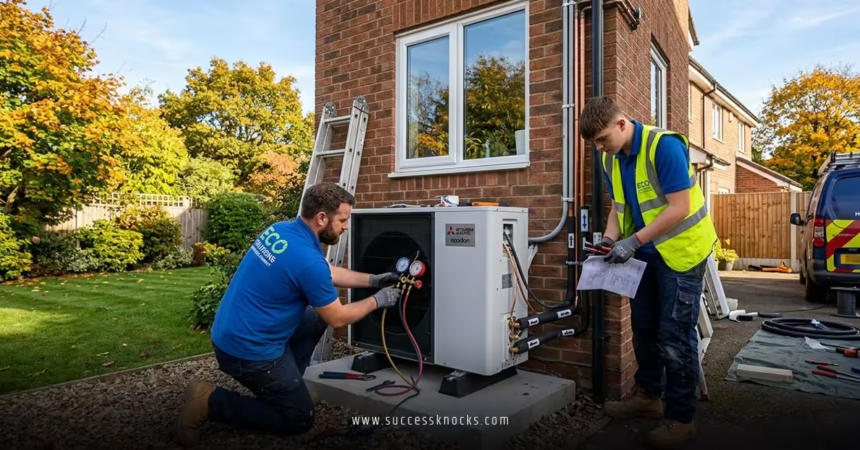
Heat pump installation transforms how your home handles heating and cooling. It delivers efficient performance while slashing energy bills compared to traditional systems.
Done right, it integrates seamlessly as part of a broader energy-efficient HVAC upgrade. Homeowners across the U.S. now turn to these systems for year-round reliability and lower operating costs.
- What it involves: Professional assessment, proper sizing, indoor/outdoor unit placement, electrical and refrigerant work, and testing.
- Why it pays off: Expect 20-50% savings on heating and cooling with the right setup.
- Timeline: Most installs take 1-3 days after prep work.
- Key 2026 reality: Incentives remain strong, but you must act fast on qualifying models.
Why a Proper Heat Pump Installation Beats Guessing
Here’s the thing. A heat pump moves heat instead of generating it. That efficiency edge only shines when installation follows best practices.
Sloppy work leads to short cycling, high bills, and early breakdowns. Nail the process and you lock in comfort plus serious savings.
The kicker is most problems trace back to the first few decisions — not the equipment itself.
Types of Heat Pumps You’ll Encounter During Installation
Air-source systems dominate residential jobs. They pull heat from outside air and work well in most U.S. climates, especially with 2026 cold-climate models.
Ductless mini-splits suit homes without existing ducts or rooms needing independent control.
Ducted systems replace your old furnace and AC in one go. Hybrids add gas backup for extreme cold snaps.
Geothermal options deliver top efficiency but require major excavation.
Heat Pump Installation Costs in 2026: What to Budget
Expect $7,500 to $15,000 for a typical air-source system, including labor. High-end variable-speed whole-home setups can hit $20,000+.
After incentives, many homeowners land between $10,000-$14,000.
| System Type | Average Total Cost (Installed) | After Federal Incentives | Best For |
|---|---|---|---|
| Ducted Air-Source | $8,000 – $16,000 | $6,000 – $14,000 | Homes with existing ducts |
| Ductless Mini-Split | $12,000 – $25,000 | $10,000 – $23,000 | Additions or open floor plans |
| Hybrid Dual-Fuel | $10,000 – $18,000 | $8,000 – $16,000 | Colder northern states |
Figures based on 2026 national averages. Actual prices depend on home size, location, and upgrades.
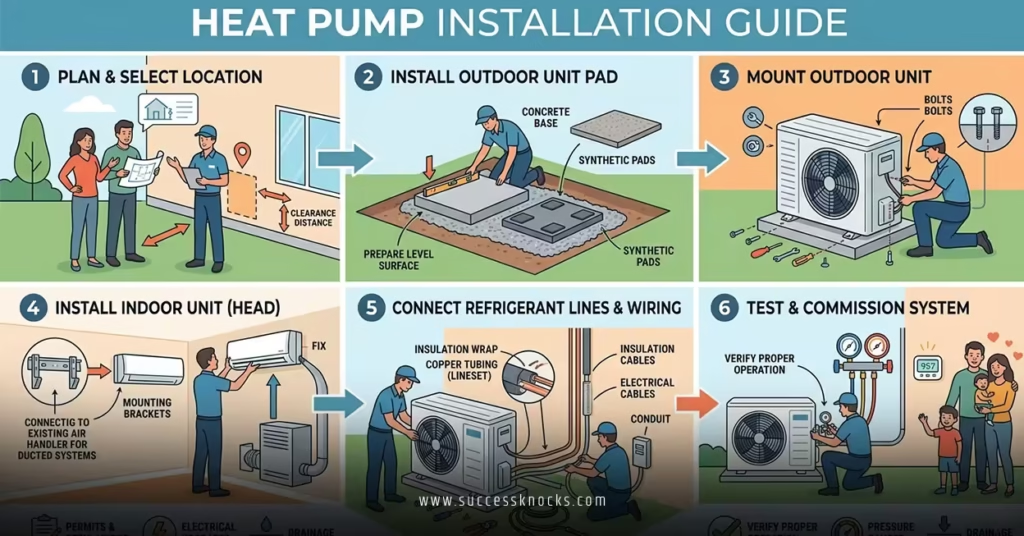
Step-by-Step Heat Pump Installation Guide for Homeowners
Step 1: Get a professional load calculation.
Never skip Manual J. Wrong sizing ruins efficiency. Oversized units short cycle. Undersized ones run constantly.
Step 2: Improve your home first.
Seal air leaks, add insulation, and fix ducts. This step multiplies performance.
Step 3: Choose the right equipment.
Focus on high SEER2 and HSPF2 ratings. ENERGY STAR Most Efficient models qualify for bigger breaks.
Step 4: Secure permits and incentives.
Check EnergyStar.gov for current federal credits up to $2,000. Many states and utilities layer on extra rebates.
Step 5: Hire certified pros.
Look for NATE-certified installers experienced with your climate. Get three quotes minimum.
Step 6: Site preparation and placement.
Outdoor unit needs 24 inches clearance on all sides. Indoor units go where airflow works best.
Step 7: Final commissioning.
Techs must check refrigerant charge, electrical connections, airflow, and run full tests.
In my experience, homeowners who stay involved in these steps avoid 80% of headaches.
Common Heat Pump Installation Mistakes and How to Fix Them
Wrong sizing still tops the list. Demand a proper load calc every time.
Poor placement starves the outdoor unit of airflow. Keep it away from walls, bushes, and snow drifts.
Ignoring existing ducts causes massive losses. Seal and insulate before connecting.
Bad refrigerant handling leads to leaks or wrong charge. Certified techs with proper tools prevent this.
Skipping commissioning means the system never runs at peak. Always insist on full startup testing.
Rushing without home prep. A shiny new heat pump in a leaky house underperforms. Fix the envelope first.
Smart Features Worth Installing in 2026
Variable-speed compressors adjust output smoothly. Zoning controls direct energy only where needed.
Smart thermostats learn your habits and optimize runtime. Some integrate with whole-home automation.
Key Takeaways
- Proper heat pump installation starts with accurate sizing and home energy improvements.
- Costs range $7,500–$20,000 but drop significantly with incentives.
- Air-source and ductless systems suit most U.S. homes best.
- Certified installers and full commissioning prevent future regrets.
- Pairing with energy-efficient HVAC upgrades maximizes long-term savings.
- Maintenance is simple: clean filters, clear outdoor unit, annual service.
- Incentives can cut thousands off the bill — verify eligibility early.
- The right install delivers quiet, even comfort year-round.
Ready to move forward? Schedule a load calculation with two local installers this week. Compare their approach, not just price. Your lower bills and better comfort start with that first call.
FAQs
How long does heat pump installation usually take?
Most residential jobs wrap up in 1-3 days once permits clear and prep work finishes. Complex retrofits can stretch longer.
Can I install a heat pump myself to save money?
Not recommended. Handling refrigerant, electrical, and precise charging requires certification. DIY mistakes void warranties and create safety risks.
Does heat pump installation work well in cold U.S. states?
Yes. Modern cold-climate models perform down to -15°F or lower. Proper installation and home sealing make all the difference.