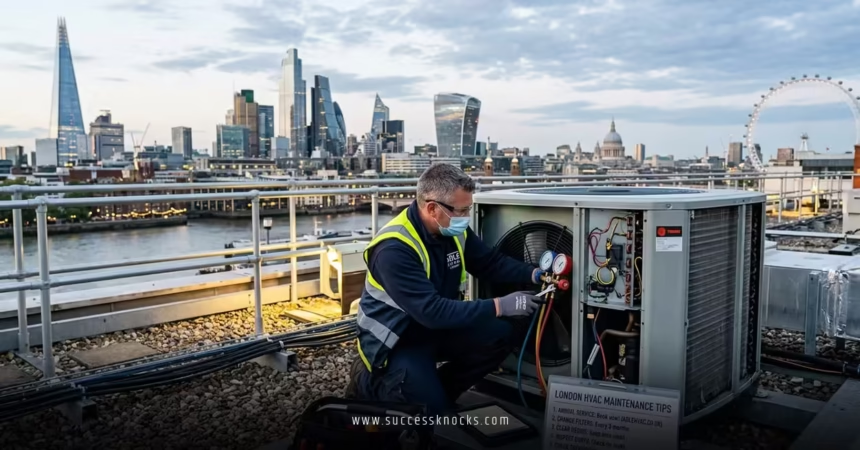
HVAC maintenance tips London can slash your energy bills, prevent breakdowns, and extend equipment life in the city’s temperamental weather.
- Regular care beats reactive repairs every time.
- Simple DIY tasks pair best with pro inspections.
- London’s older properties and pollution demand extra attention.
- Seasonal prep makes all the difference.
- Certified pros handle the complex stuff safely.
Here’s the thing: Neglect your system and it’ll punish you with higher bills and surprise failures right when you need it most. Smart maintenance flips that script.
Why HVAC Maintenance Matters in London
London flats and houses face unique stresses—damp air, pollen spikes, and tight urban spaces that trap debris. A well-maintained system runs quieter, lasts longer, and uses less energy.
In my experience, homeowners who stay on top of basic tasks avoid 70-80% of emergency callouts. What usually happens is small issues snowball into expensive fixes when ignored.
Ever notice your bills creeping up even when usage stays flat? Dirty filters and clogged coils are often the silent culprits.
Essential HVAC Maintenance Tips London Homeowners Should Follow
Start simple. Change or clean air filters every 1-3 months. In London’s dusty environment, check monthly during peak seasons.
Keep outdoor units clear of leaves, rubbish, and vegetation. Give them at least two feet of space for proper airflow.
Clean vents and registers regularly. Vacuum both sides to maintain strong circulation.
Inspect visible ductwork for leaks or damage. Seal small gaps with mastic or foil tape.
Test your thermostat. Make sure it accurately reads temperature and responds quickly.
These basics deliver immediate improvements without much effort.
Seasonal HVAC Maintenance Checklist
| Season | Key Tasks | Why It Matters |
|---|---|---|
| Spring | Replace filters, clean coils, check refrigerant levels, clear drains | Preps cooling system for summer humidity |
| Summer | Monitor for strange noises, clean outdoor unit, inspect condensate lines | Handles peak load and prevents overheating |
| Autumn | Service boiler/furnace, lubricate parts, test safety controls | Ensures reliable heating before cold hits |
| Winter | Check vents aren’t blocked, monitor carbon monoxide, run system periodically | Prevents freezing issues and maintains air quality |
Follow this and you’ll stay ahead of London’s wild swings between mild and miserable.
Step-by-Step Action Plan for Beginners
- Monthly Filter Check: Pull out the filter. Hold it to light—if you can’t see through it, replace it.
- Quarterly Deep Clean: Vacuum vents, wipe thermostat, clear outdoor unit debris.
- Bi-Annual Pro Service: Book certified HVAC technicians London for full inspections in spring and autumn.
- Monitor Performance: Track energy usage. Sudden spikes signal trouble.
- Document Everything: Keep records of services and filter changes.
- Address Issues Fast: Don’t wait if you hear grinding or smell musty air.
This plan scales nicely as you get more confident.
Common Mistakes & How to Fix Them
Mistake 1: Forgetting filters.
Fix: Set phone reminders or subscribe to replacement deliveries.
Mistake 2: Blocking vents with furniture.
Fix: Rearrange rooms for unobstructed airflow.
Mistake 3: Skipping professional help.
Fix: Hire certified HVAC technicians London for anything involving gas, refrigerants, or electrical work. DIY only goes so far.
Mistake 4: Ignoring strange sounds or smells.
Fix: Shut off the system safely and call a pro immediately.
Mistake 5: Using cheap, low-quality filters.
Fix: Choose MERV 8-13 rated ones suitable for your system.
The kicker? Most breakdowns trace back to these preventable errors.
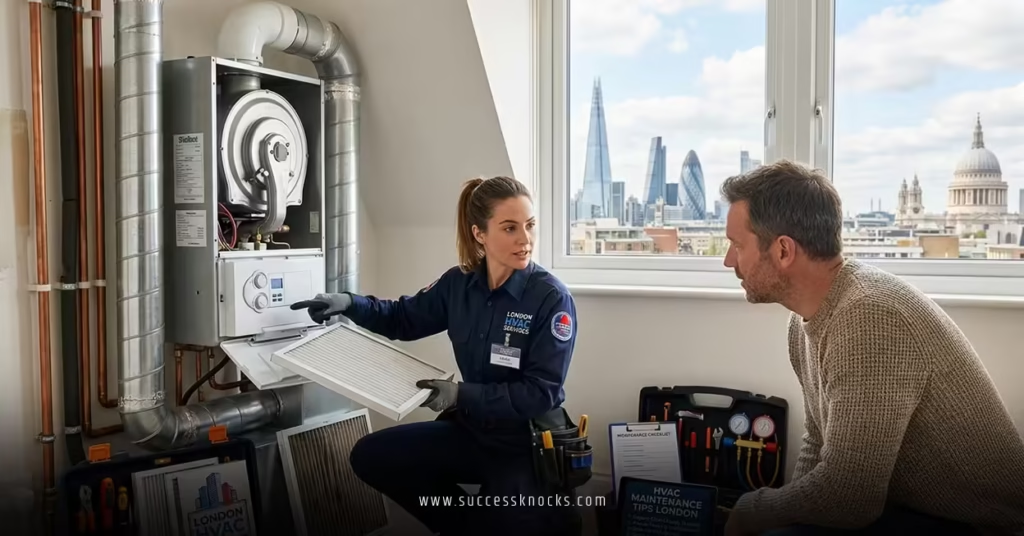
Advanced Tips for Intermediate Users
Upgrade to smart thermostats for better control and usage data. Many integrate with London’s variable energy tariffs.
Consider annual duct cleaning if your home is over 10 years old or has pets.
For heat pump owners, focus on defrost cycle checks and outdoor coil cleaning. These systems grow popular with UK green incentives.
Install UV lights or better air purification if allergies spike in spring.
Track efficiency metrics like your system’s runtime versus outdoor temperature.
Average Costs for HVAC Maintenance in London (2026)
Routine professional service runs £80–£200 per visit. Annual contracts often land between £150–£400 for peace of mind.
Filter replacements cost £10–£30 each. Emergency callouts add £100+ premiums.
Full system tune-up including coil cleaning and safety checks averages £120–£250. Investing here prevents £1,000+ repair bills down the line.
Linking Back to Certified HVAC Technicians London
The smartest move? Pair your DIY efforts with expert eyes. Search for certified HVAC technicians London who carry current F-Gas and Gas Safe credentials. They spot issues you’ll miss and keep you compliant with evolving UK regulations.
Local teams understand Victorian pipe runs and modern flat constraints better than anyone.
Key Takeaways
- Change filters every 1-3 months—more often in London.
- Schedule professional servicing twice yearly.
- Keep outdoor units clear for maximum efficiency.
- Address small problems before they escalate.
- Document your maintenance for warranty protection.
- Consider smart upgrades for better control.
- Always use certified HVAC technicians London for complex work.
- Consistent care saves money and boosts comfort.
Strong HVAC maintenance tips London turn good systems into great ones. You’ll enjoy lower bills, cleaner air, and fewer headaches through every season.
Next step: Grab your calendar and book that spring service with trusted local pros today. Your future self will thank you.
FAQs
How often should I follow HVAC maintenance tips London homeowners use?
Aim for monthly filter checks and professional service twice a year. This rhythm works well for most London properties.
Can basic HVAC maintenance tips London reduce my energy bills significantly?
Yes. Clean filters and coils alone can improve efficiency by 10-20%, adding up fast on London energy rates.
When should I call certified HVAC technicians London instead of DIY?
Call them for refrigerant work, gas appliances, electrical issues, or when you notice major performance drops. Safety first.