People often look at choosing sustainable building materials just from an environmental angle. But this decision actually has a big impact on a company’s bottom line.
When you look beyond the perception that green construction is more about image than impact, you find a solid business plan. It can boost profits, reduce long-term costs, and attract more environmentally aware customers.
For developers, builders, and business owners, using sustainable materials isn’t just a niche thing anymore; it’s a real competitive edge.
Beyond Green: Real Business Advantages
The move towards sustainable construction isn’t just about being eco-friendly; it’s driven by clear financial benefits. Buildings made with eco-friendly materials often sell or rent for more.
Research on the business case for green buildings shows these properties also have fewer empty units and attract good tenants. This means property owners and investors get a more stable and predictable income.
Plus, many local and federal governments offer tax breaks, grants, and other perks for projects that meet certain environmental standards. These programs can directly lower the initial cost of using higher-quality materials, making the financial case even stronger from day one.
Taking a sustainable approach also improves a company’s brand, positioning it as a forward-thinking and responsible leader in the market.
Reducing Operational Costs with Wood
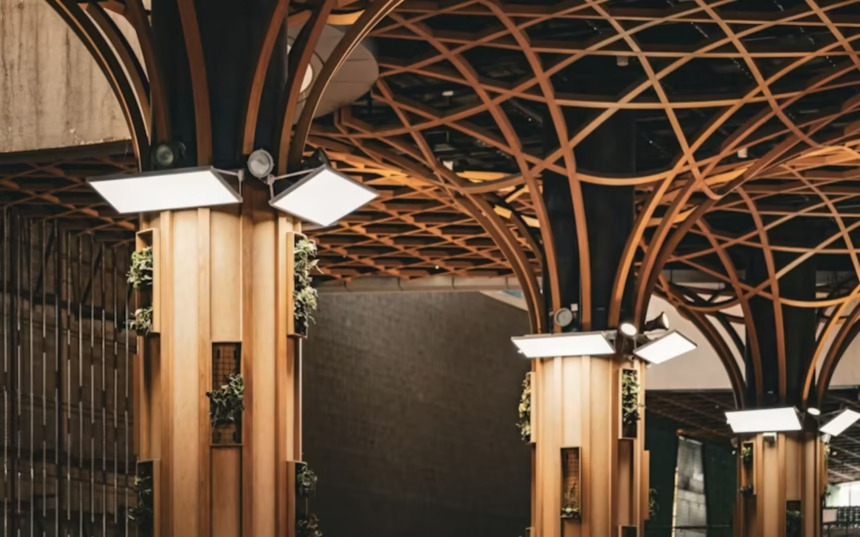
Wood, one of the oldest building materials, continues to play an important role in sustainable construction methods. That’s because it can help lower operating costs. Wood is a natural insulator, so it helps keep indoor temperatures steady.
This means heating and cooling systems don’t have to work as hard, which directly leads to lower monthly energy bills over the building’s entire life. Wood’s cellular structure traps air, creating a natural barrier against heat and cold that many synthetic materials just can’t match.
When wood products come from well-managed forests and are made carefully, they’re incredibly durable. They also require less upkeep over time than some other options. High-quality parts, from structural beams to custom interior millwork, make a building last longer and stay strong.
By choosing expertly crafted wood elements, you’ll spend less on repairs and replacements later, getting a better long-term return on your initial investment.
Meeting Consumer Demand for Eco-Friendly Products
Today’s customers are more informed and pickier than ever. They actively seek out products and services from companies that share their values, and sustainability is a major factor in their purchasing decisions. This trend is very clear in real estate and construction. Homebuyers and business tenants are increasingly asking about the materials used in their spaces, from the insulation in the walls to the finishes in the lobby.
By using sustainable materials, you directly appeal to this growing group of customers. Highlighting things like reclaimed wood, recycled steel, or low-VOC paints in your marketing can really set you apart. This not only helps you get customers but also builds loyalty. When people feel good about how their home or workplace impacts the environment, they’re more likely to become fans of your brand.
Sourcing Quality Lumber for Projects
To really deliver on the promise of sustainability, the quality and origin of your materials are important. Just using wood isn’t enough; it needs to be sourced responsibly. This is where certifications from groups like the Forest Stewardship Council (FSC) become key. An FSC certification means the wood comes from forests that are managed to protect nature, respect the rights of local people, and maintain healthy ecosystems.
Working with suppliers who are transparent about where they source their materials is crucial to ensuring quality and accountability throughout the supply chain. Companies like Montana Custom Millwork reflect the growing emphasis on craftsmanship, material transparency, and responsible sourcing within the industry.
This careful approach ensures you’re not just building a high-quality structure but also helping create a responsible supply chain.
Investing in Long-Term Value
Ultimately, choosing sustainable building materials is an investment in long-term value. These properties are better able to handle fluctuating energy costs and are in a stronger position to meet future environmental regulations, which will likely become stricter. Buildings that are already “green” won’t need expensive upgrades later on.
This forward-thinking approach reduces risks for investors and owners. A building that’s efficient, healthy for its occupants, and built with durable, eco-friendly materials is more than just a structure. It’s a valuable long-term asset that can continue to provide financial and social benefits for decades.