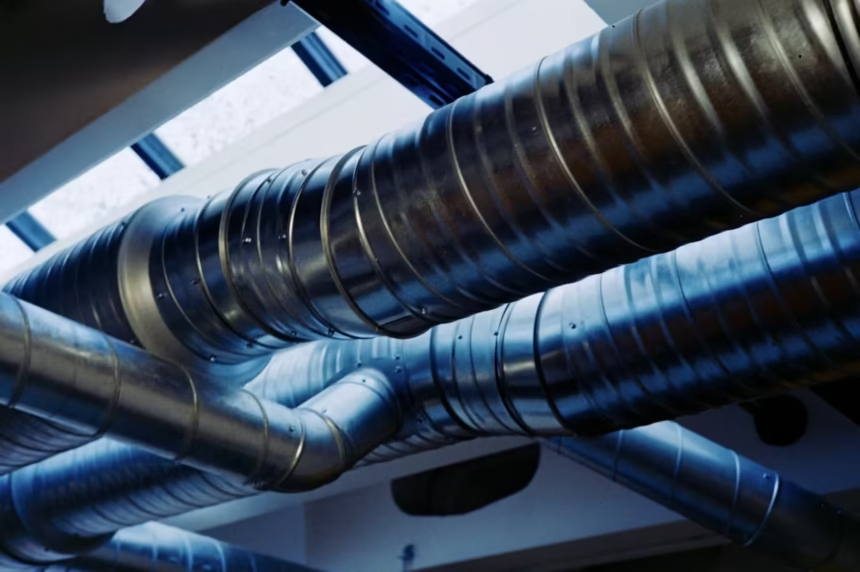
Most times, hot or cold spots inside a space come from holes in the HVAC setup. If cooled or heated air slips out at weak points like loose connections or torn seams, some areas get too much flow while others get little. That messes up steady room temperatures. The machine runs longer cycles trying to fix what it cannot replace – making bills climb and parts wear faster.
Uneven Temperatures Across Rooms
Warmth might pile up in one corner, yet vanish just a few steps away. A room can sit stuffy under the same setting that leaves another space shivering. Drafts slip through gaps where seals break down. Air meant to circulate gets lost along the way. Uneven comfort usually means something is letting it seep out.
Some systems suffer from stray airflow because of frayed seals or joints coming apart. Air finds its way through gaps when bits like torn fiberglass liner shift out of place. Materials such as fabric fiberglass are sometimes used in duct construction and insulation layers, and when these materials become loose or damaged, they can contribute to leakage pathways that reduce system effectiveness.
Where Air Leaks Happen in HVAC Systems
Where pieces join, air finds a way out – especially around corners and joints. Shaking parts, shifting pressures, little by little wear down what once held tight. A tiny space here or there throws off how evenly air moves through. What seems minor ends up making a difference.
Openings near access panels often leak, especially when seals fail on air handling units. Where installation work has settled over time, breaks in old fiberglass insulation show up – tiny holes where they used to block airflow. Conditioned air slips out through these spots, drifting into unused areas instead of staying in circulation. That loss means the system runs longer than needed just to keep temperature steady.
Checking Ducts and Seals by Eye
Look closely. That might show why some rooms feel too hot or too cold. Check any visible ducts for breaks, loose spots, or holes letting air escape. Where rigid pipes join softer tubes matters most – these links tend to come apart after years. Watch those spots. They often cause leaks.
Check the seals near openings and connections every now and then. Where dust piles up along edges, air might be slipping through – particles often gather where leaks pull them in. As years pass, old sealants crack, insulation breaks down, tiny losses add up without warning.
Finding Air Leaks with Basic Tests
A whisper of moving air near joints might show leaks when you cannot see them. Running the system lets you notice drafts along connections. Sometimes, wisps from a smoke tool make those spots obvious by drifting where they should not go.
From time to time, checking temperatures shows where ducts aren’t performing evenly. When one stretch feels much warmer or cooler, energy might be escaping en route. That kind of detail points straight to spots needing attention later.
Ways to Seal Better
Fixing leaks means getting the system back in sync, which starts with solid seals. Gaps in ducts often get patched using specific HVAC sealants, sometimes metal-reinforced tape does the job too. Tight joints matter – when connections hold firm, air moves steadily through every part. Without snug fits, performance slips even after repairs.
In some cases, fiberglass insulation upgrades may be required to support long-term efficiency. Ductwork wrapped with fresh or extra material loses less heat while blocking outside temperatures from messing with air movement. When tight seals join upgraded wraps, the whole setup holds steady longer.
Maintenance Practices for Long Term Stability
A steady checkup routine stops air leaks from coming back. Looking at ducts, joints, and seals every so often catches small damage before it grows. Fixing things early means your rooms stay evenly warm or cool without surprises later on.
Even small gaps in insulation around the system matter more than most think. When fiberglass shifts over years, its ability to hold temperature drops sharply. Air meant to stay inside finds ways out if layers are disturbed. Staying sealed keeps rooms feeling steady without extra strain on heating or cooling. Efficiency climbs when nothing blocks the flow where it should be.
Most odd temperatures in rooms come from tiny flaws – cracks in ducts, worn seals, gaps in insulation. Spotting where air sneaks out, checking those spots now and then, fixing them right keeps airflow steady across spaces. Comfort indoors gets better when drafts are stopped sooner rather than later. Less wasted power shows up on bills, while the heater or cooler runs without strain over time.