Key Takeaways
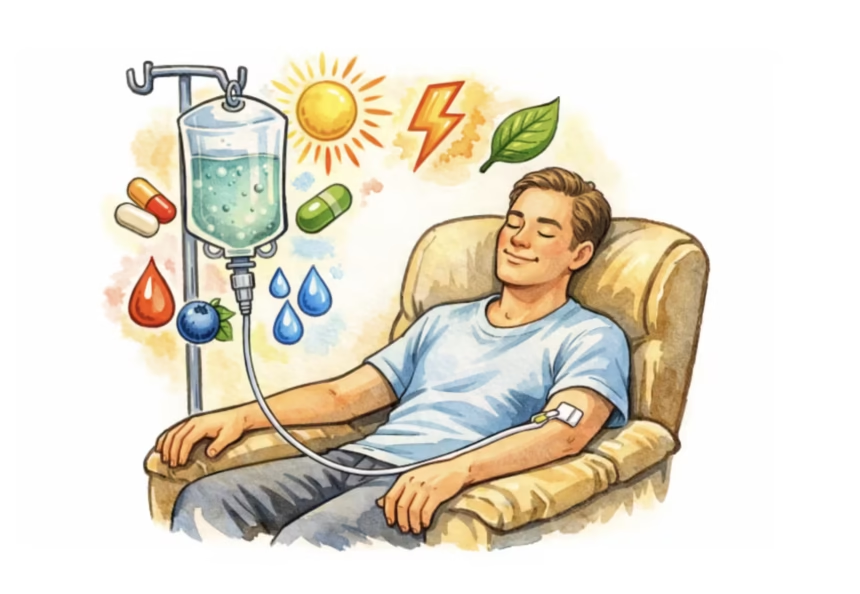
- IV therapy delivers fluids, vitamins, and nutrients directly into the bloodstream for rapid absorption.
- Potential benefits include improved hydration, enhanced energy levels, immune support, and healthier-looking skin.
- Results vary by individual, and scientific evidence supporting some wellness claims remains limited.
- Safe and effective use of IV therapy should be guided by qualified healthcare professionals.
- As wellness trends continue to evolve, ongoing research will help clarify the long-term benefits and best practices of IV therapy.
In today’s fast-paced world, maintaining optimal health and wellness can be challenging. As lifestyles become more demanding, many individuals seek efficient ways to enhance their wellness routines and support their bodies. Among these emerging trends is intravenous (IV) therapy, which delivers essential nutrients and fluids directly into the bloodstream for maximum absorption. As people explore modern options for proactive care, treatments such as IV infusions and services offered by hyperbaric oxygen therapy clinics are gaining popularity across wellness communities.
IV therapy has evolved from its traditional use in emergency medical settings to become a tailored solution for individuals aiming to boost energy, hydrate efficiently, and support immune function. By bypassing the digestive system, this method delivers nutrients rapidly and effectively, appealing to busy professionals, athletes, and anyone seeking to optimize their health.
Proponents claim that IV therapy offers benefits ranging from rapid hydration to improved skin appearance and enhanced immunity. This trend has led to a wave of customized approaches in wellness centers and clinics nationwide. Often offered alongside treatments available at hyperbaric oxygen therapy clinics, IV therapy is increasingly being incorporated into comprehensive wellness programs focused on recovery and overall well-being. Before deciding whether IV therapy is suitable, it’s important to understand how it works and what scientific research says about its effectiveness. Exploring the potential benefits and safety considerations will help align personal goals with professional guidance for the best outcomes.
Understanding IV Therapy
IV therapy involves administering a blend of vitamins, minerals, antioxidants, and fluids directly into a vein through an intravenous drip. This method allows for swift absorption, as nutrients are delivered straight into the bloodstream, bypassing the digestive tract. Originally used in hospitals to treat severe dehydration, nutrient deficiencies, and certain illnesses, many wellness clinics now offer IV infusions tailored to clients’ unique needs and wellness goals.
Each IV therapy session can be personalized, often featuring ingredients like vitamin C for immune support, B vitamins for energy, magnesium for relaxation, and antioxidants for cellular repair. Sessions typically last 30-60 minutes, and users often report feeling refreshed, rehydrated, and revitalized shortly after treatment. According to Healthline, these infusions are popular among individuals looking to recover from intense workouts, jet lag, or hangovers, as well as those aiming for improved skin appearance and overall wellness.
Key Benefits of IV Therapy
- Enhanced Hydration: IV therapy delivers immediate hydration, especially valuable after strenuous exercise, travel, or illness-related dehydration. By replenishing fluids directly, it can quickly restore balance in the body.
- Boosted Energy Levels: Infusions frequently include B vitamins and amino acids, which help combat fatigue by supporting metabolic energy production and muscle recovery.
- Immune Support: Formulations rich in vitamin C, zinc, and other immune-supporting elements can strengthen the body’s natural defenses, making IV therapy a favored option during cold and flu season.
- Improved Skin Health: Components like biotin and glutathione are often added for their effects on skin health, promoting a more youthful, radiant complexion while helping the body eliminate toxins.
With numerous benefits attributed to IV therapy, it has attracted individuals interested in proactive and holistic self-care. However, as with any wellness intervention, it’s important to base decisions on a balanced understanding of both personal experiences and available scientific evidence. For more unbiased insight, WebMD provides an overview of current research and notes the growing interest as well as the current limits of the evidence base.
Scientific Perspective
Although many users report feeling refreshed and reinvigorated after IV infusions, the scientific community advises caution. Dr. Ali Raja, the executive vice chair of emergency medicine at Mass General Brigham, emphasizes that while hydration alone can produce noticeable benefits, separating the effects of fluids from those of the added nutrients is challenging. He observes that scientific support for many wellness claims tied to IV therapy is still developing, especially among otherwise healthy individuals. That said, for populations with specific deficiencies or those recovering from illness, IV therapy can be medically appropriate and effective. For healthy adults, the advantages may be less pronounced than marketing materials suggest, and ongoing research will determine the full extent of its wellness benefits.
Considerations Before Trying IV Therapy
- Consult with a Healthcare Professional: Professional consultation is crucial to determine if IV therapy aligns with your health status and individual goals. Those with certain medical conditions may need to avoid these infusions altogether.
- Choose a Reputable Provider: Selecting a licensed and experienced clinic minimizes risk. Experienced professionals are essential for proper ingredient selection, sterile procedures, and appropriate infusion rates to avoid complications such as infections or adverse reactions.
- Understand the Costs: IV therapy costs vary, typically between $100 and $500 per session. Since many insurance plans do not cover elective or wellness-focused infusions, it’s important to assess your budget prior to committing to regular treatments.
Conclusion
IV therapy represents a modern approach to wellness, delivering nutrients and fluids rapidly to enhance hydration, energy, immune support, and skin health. Although anecdotal reports of improvement are common, it’s essential to approach this therapy with informed consideration, weighing both scientific evidence and guidance from healthcare professionals. As trends in self-care evolve, IV therapy will likely remain a popular option for those prioritizing wellness, provided it is used safely and with expert oversight. Individual experiences can vary, and ongoing research will undoubtedly shape the conversation around this innovative therapy in the years to come.