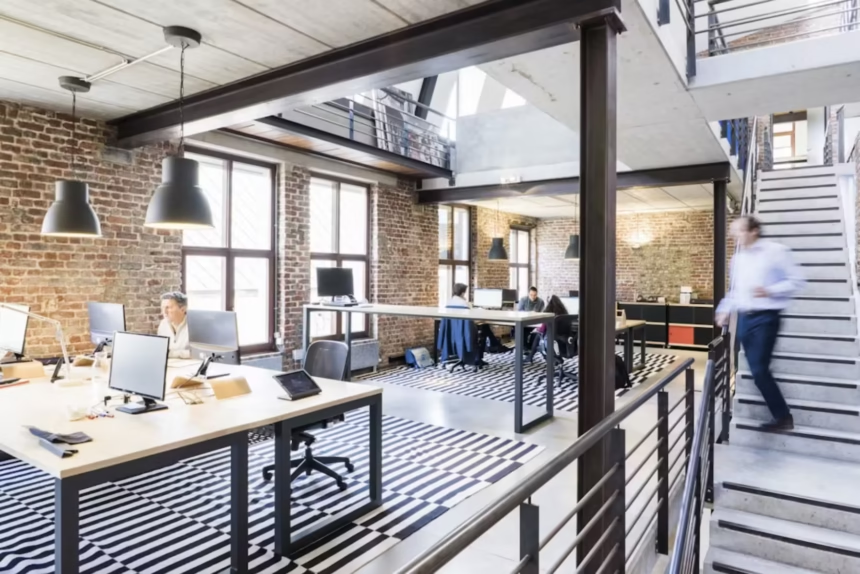
Businesses thrive when safety and well-being are top priorities. When employees feel secure and comfortable where they work, they can focus better, be more efficient, and contribute more to company goals. Building this kind of environment isn’t just about following rules; it’s a smart investment in your team and your business’s future. By dealing with potential problems early, you can prevent accidents, cut down on sick days, and create a culture where people feel cared for and get more done.
Understanding Workplace Hazards
To make your workplace safer, you first need to figure out where the dangers are. Hazards aren’t always obvious. You might immediately think of big machines or chemical spills, but risks can also include things like dim lighting, messy walkways, or even strain from doing the same motion over and over. You really need to walk through your whole facility carefully. Look at every process, every workstation, and every common area with safety in mind. Are electrical cords tripping people up? Is there enough fresh air in storage areas? Getting your employees involved here is helpful; they’re on the front lines and often spot risks that management might miss. Setting up and keeping a strong workplace safety management plan isn’t a one-time job, but an ongoing commitment to finding and fixing risks.
Improving Air Quality and Control
The air your employees breathe directly affects their health and how well they think. Dust, fumes, allergens, and uncomfortable temperatures can lead to discomfort, sickness, and trouble concentrating. Start by making sure your HVAC system is well-maintained and that filters are changed regularly. If your facility has different work zones, controlling the environment in each is key. For example, in a warehouse or factory, putting in heavy-duty PVC strip curtains can create a good barrier. This helps contain dust, manage temperature differences between heated and unheated spots, and reduce fumes without getting in the way of work. Bad air quality is a big problem for managing hazardous exposures, and simple engineering fixes can make a huge difference.
Reducing Noise Pollution at Work
Constant or loud noise isn’t just annoying; it’s a real danger at work. It can damage hearing, raise stress levels, and make it hard to communicate, which leads to mistakes. Pinpoint the main noise sources in your workplace. Sometimes, you can enclose machinery or add mufflers. In offices, you can quiet things down with sound-absorbing materials like acoustic panels, carpeting, and even furniture placed strategically. Setting up quiet zones for tasks that need deep focus can also boost productivity and lower employee stress.
Ergonomics for Enhanced Productivity
Poor ergonomics is a major reason for muscle and joint problems, which are some of the most common work-related injuries. Aches and pains from awkward positions or repetitive tasks can really hurt an employee’s ability to do their job well. The answer is to design the workspace to fit the person, not the other way around. This means providing adjustable chairs, desks, and monitor stands so employees can keep a neutral posture. For jobs that require standing, anti-fatigue mats can ease the strain. For manual tasks, tools should be designed to minimize awkward wrist movements and too much force. A small investment in ergonomic equipment can pay off big time by reducing injuries and making things more efficient.
Implementing Effective Training Programs
Building a safe workplace is a team effort, and everyone on the team needs to know how to play. Thorough safety training should be a required part of onboarding for every new hire. But it shouldn’t stop there. Regular refresher courses are crucial to keep safety top of mind and to update employees on new procedures or potential dangers. Training should be hands-on and engaging, covering things like emergency plans, how to use equipment correctly, and how to report hazards. When employees are well-informed and feel confident acting safely, they become active partners in creating and maintaining a secure work environment.
A safe workplace isn’t something you achieve once and then forget about; it’s a continuous journey of getting better. By systematically dealing with hazards and putting your team’s well-being first, you build a stronger, more productive organization.