Your online presence is often the first impression you make on potential employers or clients. For many graduates, this means a personal website, a digital portfolio, or a freelancing hub. But just having a website isn’t enough. To be an effective career tool, it needs to be healthy, functional, and professional.
Your Website as a First Impression
Think of your website as a digital handshake. A firm, confident handshake shows professionalism, while a weak one leaves a poor impression. Website health works similarly. It’s about your site’s technical integrity and performance, making sure it’s fast, secure, and easy for visitors to use.
A healthy website offers a smooth, positive experience, which reflects well on your personal brand. It’s the strong base you need to show off your skills, projects, and experience. Without this base, even the best portfolio can be ruined by a frustrating user experience.
Uncovering Technical Roadblocks
Many damaging website issues aren’t immediately obvious. These hidden technical problems can quietly undermine your efforts to build a strong online profile. Things like slow server response times, inefficient code, or a confusing site structure might go unnoticed by you, the owner, but they create big problems for your visitors.
While you can check for some of these issues yourself, finding the real cause often needs a deeper technical audit. This can reveal problems such as broken links, missing redirects, mobile display issues, or pages that search engines struggle to crawl. Fixing these roadblocks helps your site run better, keeps visitors from leaving too quickly, and gives your online profile a stronger foundation.
Performance Issues to Watch For
Several common problems can hurt your website’s health. Knowing about them helps you spot issues before they cause major damage. Key factors affecting website performance often include:
- Slow Loading Speeds: Visitors don’t like to wait. If your portfolio page, full of high-resolution images, takes more than a few seconds to load, many recruiters will just give up and close the tab.
- Poor Mobile Responsiveness: Many people will look at your site on a smartphone or tablet. If it isn’t designed to fit smaller screens, text can become unreadable and images distorted, making you seem out of touch.
- Broken Links: Clicking a link that leads to a “404 Not Found” error page is annoying. It stops the user’s journey and can make your site look neglected or unprofessional.
- Security Flaws: Modern web browsers warn users about websites that aren’t secure (those without an HTTPS certificate). Seeing a “Not Secure” warning next to your name really hurts your credibility.
Why User Experience Matters
Technical performance isn’t just about numbers and code; it directly affects how users experience your site. A slow, buggy website causes frustration and breaks trust. Poor website navigation can create the same problem, making it difficult for visitors to find the information they need.
Imagine a hiring manager trying to view your online portfolio. If pages load slowly and links don’t work, their opinion of you is immediately negative. They might question your attention to detail or professionalism before they even see your work.
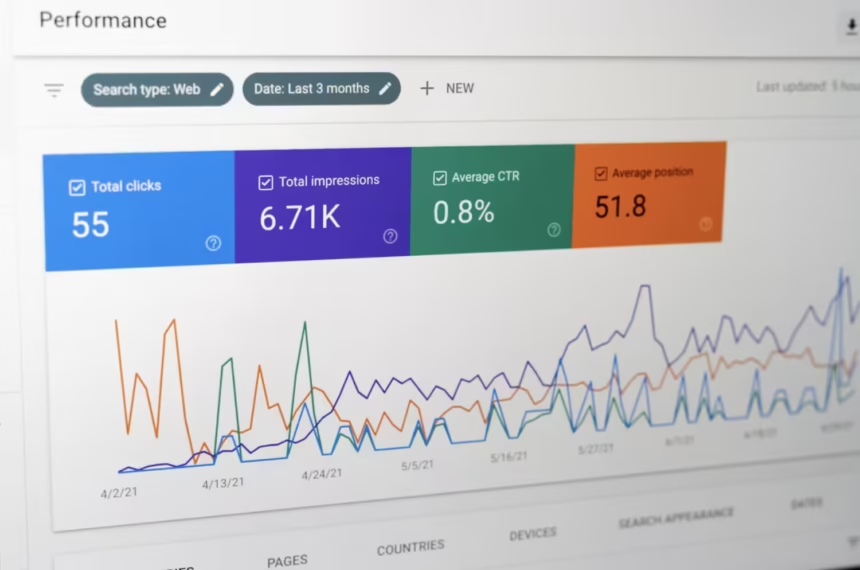
This bad experience can make them leave your site entirely, costing you a valuable opportunity. Monitoring key metrics through website performance analysis is essential to understand how visitors actually use your site and what needs improving.
Making Your Website Easier to Find Online
A healthy website is also crucial for being found online. Search engines like Google want to give their users the best results, so they prefer sites that are fast, secure, and easy to use. This is a core part of Search Engine Optimisation (SEO).
If your website has poor technical health, search engines might rank it lower in results or not show it at all. This means that when a recruiter searches for your name or for professionals with your skills, your unhealthy website might be invisible, stopping them from ever finding you.
This is where a technical SEO review can help. Specialists like Fertile Digital can identify issues that affect how search engines crawl, read, and rank your site, from slow-loading pages to broken links or poor site structure.
Ultimately, keeping your website healthy is just as important as keeping your CV updated. It’s an active part of managing your professional brand and making sure that when opportunities appear online, your digital door is wide open.