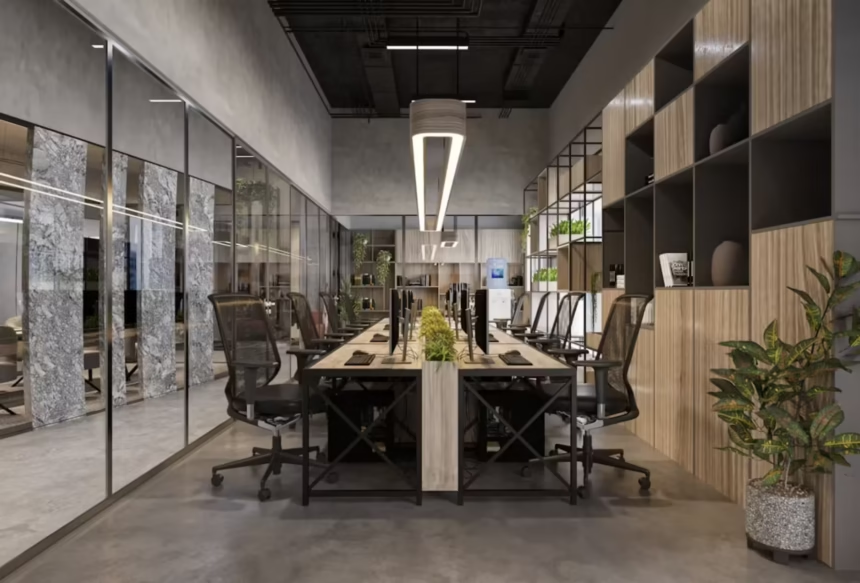
An office is more than just a place to work. Its design significantly affects your team’s health, happiness, and productivity. Moving beyond simple looks to create a workspace that actively supports well-being isn’t just a nice-to-have anymore; it’s a smart business move. A well-designed office can lower stress, improve focus, and build a positive company culture, all of which directly help your bottom line.
Beyond Aesthetics: Functional Design
An effective office design puts function first, not passing trends. This means looking at how employees actually move through and use the space during their day. Consider how people get around between desks, meeting rooms, and common areas. Does the layout cause bottlenecks, or does it allow for easy movement? A good space offers a mix of environments: collaborative areas for team projects, quiet spots for focused work, and comfortable break areas to recharge. This approach recognizes that design as a catalyst for well-being means creating a space that meets human needs, not just one that looks impressive.
The Role of Natural Light
Don’t underestimate how powerful natural light is. Getting natural light during the day helps set our body clocks, which can lead to better sleep at night and more alertness during work hours. Offices with plenty of natural light have been linked to less eye strain, fewer headaches, and better moods for employees. To get the most daylight, put workstations near windows, use glass partitions instead of solid walls to let light reach further into the building, and pick light paint colors that reflect sunlight around the space.
Creating a Comfortable Climate
An office that’s too hot, too cold, or stuffy is a big distraction and makes people uncomfortable. When employees are busy shivering or fanning themselves, they aren’t focusing on their work. Keeping the temperature stable and comfortable is key to thinking clearly and to overall well-being. A good commercial air conditioning system is a big part of this, as it can control not just temperature but also humidity and air filtration. Clean, fresh air cuts down on the spread of illnesses and can ease allergy symptoms, making sure your team breathes easily and feels their best.
Acoustics and Concentration
In today’s open-plan offices, noise is a major killer of productivity. Constant chatter, ringing phones, and foot traffic can make it almost impossible to concentrate on complex tasks. Bad acoustics lead to more stress and mental tiredness. You can fight this by adding sound-absorbing materials like acoustic panels, carpets, and even certain types of furniture. Installing sound-masking systems, which create a faint, subtle background noise, can also help cover up distracting conversations. Providing specific quiet zones or small pods for focused work gives employees a much-needed break from the noise.
Ergonomics for Employee Health
Sitting at a desk can take a physical toll if the workspace isn’t set up correctly. Ergonomics is about designing a workspace to fit the person using it, instead of making the person adjust to the workspace. This is vital for preventing muscle and joint problems like back pain and carpal tunnel syndrome. Invest in chairs that adjust fully, monitors that can be set at eye level, and options for sit-stand desks. An ergonomic setup makes sure the work environment supports your well-being by reducing physical strain and encouraging better posture all day long.
Investing in office design means investing in your people. By creating a workspace that’s safe, comfortable, functional, and healthy, you build a strong base for a team that’s more engaged, productive, and resilient.