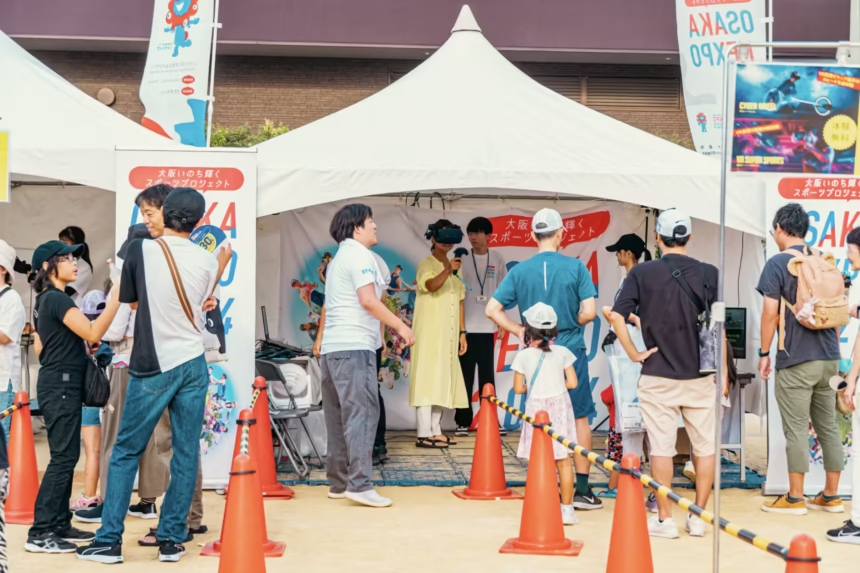
Outdoor events offer a unique and powerful way to connect with your audience, build brand awareness and generate new leads. From local fairs and community festivals to large-scale trade shows and sporting events, being present in person allows you to make a lasting impression. However, simply showing up isn’t enough. To truly boost your brand’s visibility, you need a strategic approach that covers everything from event selection to post-event analysis.
Strategic Event Selection
The first step to a successful event presence is choosing the right one. Not all events are created equal, and the most effective ones will be those where your target audience congregates. Before committing, research the event’s typical attendee demographic. Does it align with your ideal customer profile? Consider the event’s theme and purpose. A brand focused on sustainable living would likely find more success at an eco-festival than at a high-tech conference. Also, evaluate the scale of the event. Whilst a massive exhibition offers high footfall, a smaller, niche event might provide more meaningful interactions and a higher conversion rate. Your goals should guide your decision, whether you’re aiming for mass brand awareness or qualified lead generation. Taking a strategic approach from the outset, much like following a small business marketing agency playbook, can help ensure every event supports your wider marketing objectives.
Maximising Outdoor Display Impact
Once you’ve chosen your event, your physical setup becomes your most important marketing tool. In a crowded field, your display needs to be eye-catching, professional and inviting. It’s your brand’s first impression. Think vertically to stand out above the crowd with tall flags or banners. Use bold, clear branding and a simple colour scheme that is instantly recognisable. Your display should not only attract attention but also serve a practical purpose. Creating a welcoming environment is key. Well-designed structures like branded inflatable tents can offer shelter from the elements, define your space clearly and create a professional hub for engaging with potential customers. This makes your stand a destination rather than just a display.
Crafting Memorable Brand Experiences
A great display gets people to stop; a great experience makes them stay and remember you. Move beyond simply handing out leaflets. Think about how you can create an interactive and memorable moment for your visitors. This could be a product demonstration, a fun competition or a hands-on activity related to your brand. For example, a food company could offer tasting samples, whilst an outdoor gear brand might set up a mini challenge. The goal is to create a positive emotional connection. These experiences are what people will talk about long after the event is over, turning passive observers into active brand advocates. These marketing strategies at events help ensure your brand remains top-of-mind.
Engaging Your Audience Effectively
Your team on the ground is the human face of your brand, and their performance is critical. Staff should be well-trained, enthusiastic and knowledgeable about your products or services. Their role isn’t just to answer questions but to proactively engage with visitors. Encourage your team to step out from behind the table and start conversations. Simple, open-ended questions about a visitor’s business, goals or challenges are often enough to start a meaningful conversation. It’s also vital to have a system for capturing information. QR codes linking to your website, a digital sign-up form on a tablet or a simple prize draw entry can make lead capture seamless. As you plan, it’s wise to consider modern tactics that can revive your event marketing and keep your approach fresh.
Measuring Event Marketing ROI
How do you know if your investment of time, money and effort paid off? Measuring the return on investment (ROI) is essential for justifying your budget and refining your strategy for future events. Before the event, set clear, measurable goals. This could be a specific number of leads generated, products sold or social media mentions. During the event, track these metrics diligently. After the event, continue to monitor the data. Did you see a spike in website traffic? How many of the leads you gathered converted into customers? Analysing this information will provide a clear picture of what worked well and where you can improve next time.
With a thoughtful and organised approach, your next outdoor event can be far more than just a day out of the office. It can become a significant driver of brand growth, customer loyalty and measurable business results when every stage of your event strategy is carefully planned.