

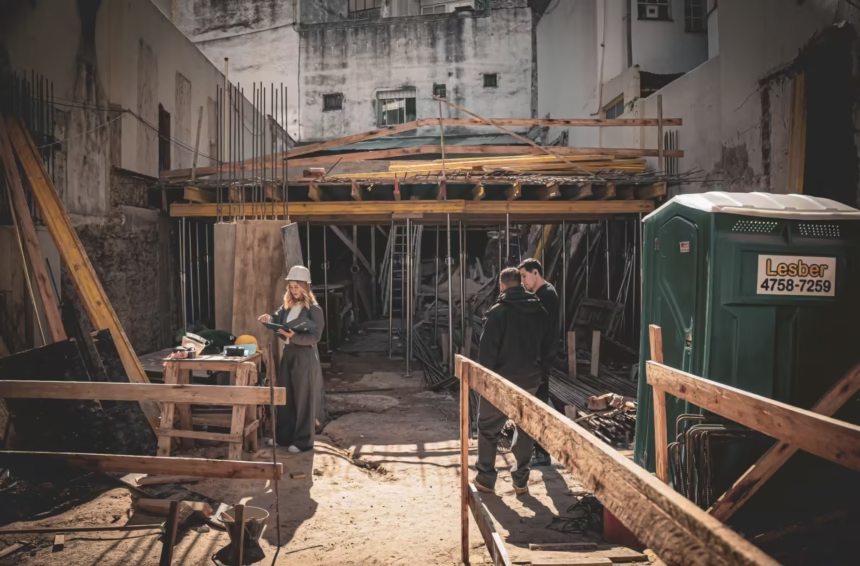
Many construction project managers view on-site amenities as another project expense rather than a long-term investment. But this way of thinking misses a big opportunity. Giving your crew good facilities isn’t just about meeting basic rules; it’s a smart investment that can really pay off. You’ll see better productivity, improved safety, and higher morale. The first step to a more efficient and profitable project is to start seeing these things as investments, not just costs.
Beyond Compliance: Worker Well-being
The bare minimum is meeting sanitation and break area regulations. But truly successful projects go further by putting their workers’ health and dignity first. This starts with providing clean, conveniently located facilities that are regularly serviced throughout the project. Investing in quality porta potty rentals alongside dedicated handwashing stations demonstrates that worker health is a priority rather than an afterthought. When workers feel respected and supported, they’re more engaged, productive, and committed to delivering quality work.
Giving your team a comfortable, shaded break area, clean water, and well-kept restrooms directly leads to a healthier crew. It lowers the risk of heat stress, dehydration, and getting sick. Thinking about wellness in construction environments isn’t just a nice idea; it’s a key part of running a safe and effective operation. A crew that doesn’t have to worry about basic comforts can focus on the work itself.
Impact on Productivity and Morale
How good your on-site amenities are directly affects team morale. A clean, well-stocked restroom and a decent place to rest can really change a worker’s day. When these basics are ignored, it sends a message that workers aren’t valued, which leads to frustration and disengagement. This negative feeling can quickly mean lower productivity, more mistakes, and a general lack of motivation.
On the flip side, investing in good facilities does the opposite. Studies and real-world examples consistently show that enhancing worker morale through better site conditions leads to clear benefits. Workers spend less time leaving the site for breaks, take more pride in their work, and are more likely to work well together. This positive environment cuts down on costly mistakes and helps keep the project on schedule, which directly impacts your bottom line.
Calculating the Benefits of Quality Facilities
It might seem hard to put a number on the return you get from investing in site amenities, but the benefits are very real. The trick is to look past the initial rental or purchase price and think about the money you save because your workforce is more efficient and stable.
Think about these points:
- Less Downtime: If workers have to leave the site to find a clean restroom or a comfortable lunch spot, that’s lost time. Keeping them on-site with good facilities can save many labor hours each week.
- Lower Turnover: The construction industry often sees a lot of people come and go, and hiring and training are expensive. A worksite known for treating its people well becomes a preferred employer, attracting and keeping the best talent.
- Fewer Sick Days: Clean, hygienic facilities, especially handwashing stations, are crucial for stopping the spread of germs. A healthier crew means fewer unexpected absences that can throw project timelines off track.
- Faster Project Completion: A motivated, focused team works quicker and makes fewer errors. This speed can lead to finishing projects early, which means big savings and potential bonuses.
Streamlining Site Logistics
Where you put amenities and how good they are also really impacts how well the site runs. A poorly planned site can cause delays and inefficiencies. For example, if restrooms are far from the main work area, every trip wastes time and breaks up the workflow.
Placing portable toilets, break tents, and water stations strategically can make it easier to move around the job site. This ensures workers can take care of their needs quickly and get back to work with minimal interruption. Planning amenities as part of the overall site layout from the start helps you create a smoother, more productive environment. This kind of foresight prevents small, repeated delays from adding up to big project problems.
Ultimately, seeing on-site amenities as a key part of your operational plan is a powerful change. It shifts the focus from just cutting costs to creating value, building a foundation for a safer, more productive, and more profitable construction project.


