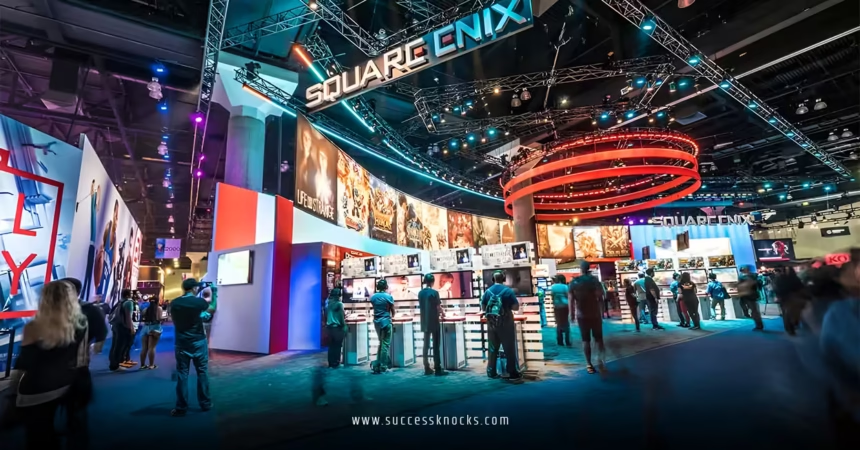
Trade show marketing strategy is one of those phrases that sounds big and complex, but at its heart, it’s really about one thing: turning time on the show floor into real business results. You’re not going to events just for the branded pens and glossy photos; you’re there to meet people who can buy, partner, invest, or open doors for your company.
When we treat trade shows like random “branding exercises,” they get expensive fast. When we treat them like a focused campaign—with clear goals, systems, and follow‑through—they can become one of the strongest channels in your growth toolkit.
In this article, we’re going to be taking a look at trade show marketing strategy, and how you can build a simple, repeatable plan that supports your wider growth goals. If you would like to find out more, feel free to read on.
Pic – CC0 License
Why Trade Shows Still Matter
Despite all the digital tools we have, trade shows are still powerful because they compress months of outreach into a few days. You get direct access to buyers, partners, and investors who are already in “discovery mode.”
A good trade show marketing strategy gives you:
- Faster trust building through face‑to‑face conversations
- Live product demos that show value in real time
- Access to targeted audiences you might struggle to reach online
From regional expos to large international tech conferences, shows can be a way to test new markets, gather feedback, and fill your pipeline with qualified leads—if you plan properly.
Start With Clear, Measurable Objectives
Before we book a booth, we need to know what we want out of the event in numbers, not just feelings. That’s how we protect our budget and sanity.
Set a few specific goals:
- Number of qualified leads you want to generate
- Number of demos or discovery calls you want scheduled
- Revenue targets within 6–12 months linked to the event
If you’re exhibiting internationally—for example in Asia—your objectives might connect directly to more detailed planning, like calculating roi for exhibiting at hong kong tech conferences 2026. When we know our numbers, we can decide what kind of stand, sponsorships, and team size actually make sense.
Know Your Audience and Pick the Right Shows
Not every show is right for your business. A strong trade show marketing strategy starts with choosing the events where your ideal buyers will actually show up.
Ask:
- Who is the primary audience—buyers, partners, investors, or media?
- Are the attendees aligned with your industry, price point, and stage of growth?
- Does the event attract serious decision‑makers, or is it more of a general expo?
Look at past exhibitor lists, attendee profiles, and speaker lineups. Event organizers and platforms like Eventbrite’s trade show section often share details that help you understand who attends. Aim for depth over breadth; it’s better to do a few highly relevant shows well than many generic ones poorly.
Build a Pre‑Show Campaign, Not Just a Booth
Most exhibitors show up and hope people wander over. That’s not a strategy; that’s wishful thinking. We want to drive traffic intentionally.
Plan a simple pre‑show campaign:
- Email your existing list to announce your attendance and offer meeting slots.
- Reach out to key prospects and partners to schedule demos at your booth.
- Use social platforms like LinkedIn to post about your presence and invite people to visit.
You can learn a lot about creating event‑driven campaigns from resources such as HubSpot’s marketing blog, which covers email nurturing, social promotion, and funnel design. The goal is clear: don’t rely on random foot traffic; warm up the audience before the doors even open.
Design Your Booth Around Conversations, Not Decorations
A flashy booth might grab attention, but a smart booth drives the right conversations. When we think trade show marketing strategy, the stand needs to support your message and sales process, not just look good in photos.
Focus on:
- Clear messaging: One main benefit statement that people can understand in seconds.
- Live demo zone: A simple setup where you can show your product in action.
- Easy lead capture: QR codes, tablets, or badge scanners integrated with your CRM.
Keep the layout open so people feel comfortable approaching. Your booth is a tool, not a trophy; it should make it easier for you and your team to start and continue meaningful discussions.
Train Your Team Like a Sales Squad
Your people are the engine of your trade show marketing strategy. Sending a team that just “guards the booth” is a missed opportunity; you want them actively engaging, qualifying, and booking next steps.
Prepare them with:
- Short scripts for how to open conversations
- Key questions to qualify prospects quickly
- Clear criteria for what counts as a hot, warm, or cold lead
Run a quick role‑play session before the event to build confidence. Make sure everyone understands the event goals and how their actions contribute to hitting those numbers.
Capture and Tag Leads in Real Time
One of the biggest gaps we see is poor lead capture. If we’re relying on business cards in a pocket, we’ll lose people and data. A solid trade show marketing strategy needs structured, real‑time tracking.
Use a simple system:
- Scan badges or use a lead app connected to your CRM.
- Tag each lead with interest level and next step.
- Add notes about sector, region, and pain points.
Platforms like Salesforce’s event and CRM resources offer helpful guidance on structuring fields and workflows for events. The more organized your data, the easier it is to follow up effectively and measure ROI later.
Follow Up Fast and Make It Personal
Most event ROI is made or lost in the weeks after the show. If we wait too long, leads go cold and all that effort on the floor doesn’t turn into revenue.
Build a follow‑up sequence before you arrive:
- Within 24–48 hours: Send a personalized email referencing your conversation.
- Within 7–10 days: Offer a demo, trial, or strategy call with clear value.
- Within 30 days: Move qualified leads into your standard sales pipeline.
Use templates, but always include specific details from the chat to show you were actually listening. Speed plus relevance is what turns “nice to meet you” into “let’s work together.”
Measure Results and Refine Your Playbook
A serious trade show marketing strategy treats every event as a learning opportunity. After each show, we should sit down and look at what happened in numbers.
Review:
- Total cost of attending or exhibiting
- Number of leads, demos booked, and deals closed
- Revenue and pipeline directly attributed to the event
These numbers feed into your broader analysis, especially when you’re looking at bigger investments like calculating roi for exhibiting at hong kong tech conferences 2026 or similar international shows. Over time, you’ll know which events deserve repeat investment and which ones you can drop.
Turn Trade Shows into a Repeatable Growth Channel
We hope that you have found this article enlightening in some way and that it’s helped you see trade show marketing strategy as a clear, workable playbook rather than a vague concept. When you choose the right events, prepare your campaigns, train your team, and follow up with discipline, trade shows stop being high‑risk adventures and become a steady, reliable part of your growth engine.
The more you refine your approach, the easier it becomes to make smart decisions about where to show up—whether that’s local industry expos or major international tech conferences in places like Hong Kong. With a strategy in place, every show becomes an opportunity to learn, improve, and grow your business with confidence.