

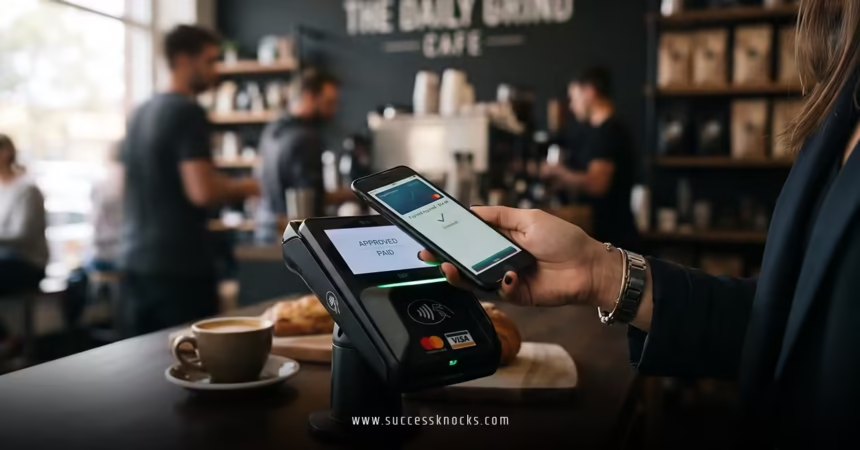
If you run a small business, you already know how quickly a slow checkout can turn into a lost sale. Customers do not want to fumble for cash, enter card details twice, or wait while a terminal times out. They want to tap, pay, and move on.
That is why a contactless payment strategy for small businesses is no longer optional. It is one of the simplest ways to speed up sales, improve customer experience, and keep your business in step with modern payment habits. It also connects directly to wider trends like digital wallet adoption Australia 2026, which is shaping how customers expect to pay in person and online.
Why Contactless Payments Matter Now
Contactless payments have become the default in many markets. Customers are already used to tapping cards, phones, and watches at the checkout. When your business offers that speed, you reduce friction and make buying easier.
For small businesses, that matters in three ways. You can serve more customers in less time, reduce abandoned purchases, and create a more professional experience. It also helps you meet expectations from younger buyers, tourists, and repeat customers who already use digital wallets in everyday life.
What a Good Contactless Payment Strategy Looks Like
A strong strategy is not just about buying a new terminal. It is about making payment easy wherever your customers interact with you. That may be in-store, at a pop-up, on delivery, or through your website.
A practical strategy usually includes:
- Tap-to-pay card acceptance
- Mobile wallet support like Apple Pay and Google Pay
- QR code payments where useful
- Fast checkout flow on your website
- Clear signage so customers know what you accept
The goal is simple: remove friction without creating confusion for your staff or your customers.
Start With Your Customer Habits
Before you change anything, look at how your customers already pay. If most of your buyers are using phones, cards, or watches, contactless should be a priority. If you sell to tourists or business travellers, mobile wallet support becomes even more important.
This is where broader payment behaviour matters. Trends around [digital wallet adoption Australia 2026](digital wallet adoption Australia 2026) show that customers are getting more comfortable using wallets across retail, hospitality, services, and ecommerce. If your business serves any of those groups, you should plan for that shift now.
Choose the Right Tools
You do not need the most expensive setup. You need a reliable one. Start by checking whether your current payment terminal supports contactless cards and mobile wallets. If not, upgrading is usually straightforward.
For online sales, choose a payment gateway that supports wallet buttons at checkout. If you run a service business, make sure you can send payment links or invoices that accept tap-friendly options through mobile devices. The easier you make it, the more likely customers are to complete the payment.
Train Your Team
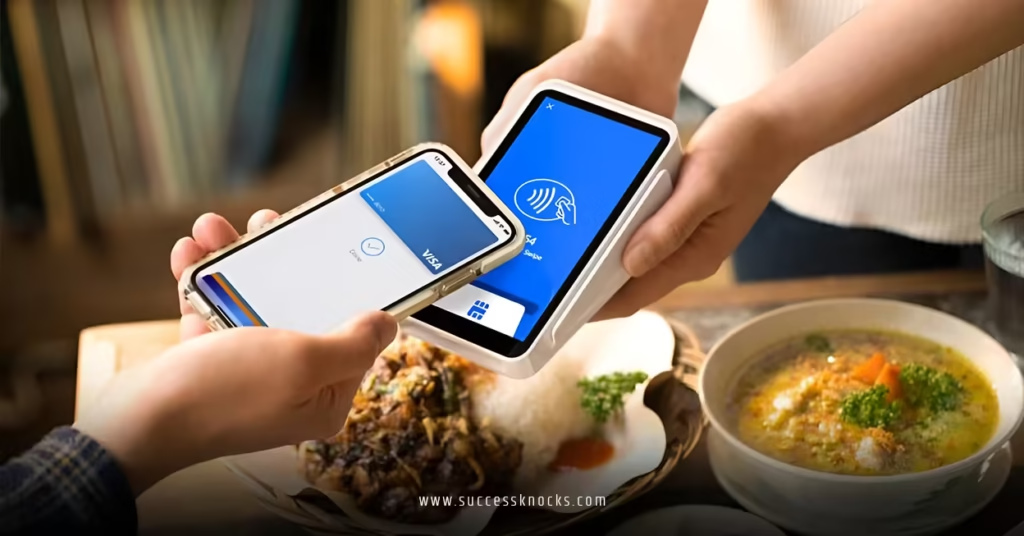
Your payment system is only as good as the people using it. Make sure your team knows how to process contactless payments, what to do if a tap fails, and how to explain wallet options to customers.
Keep the training simple. Staff should be able to answer questions like:
- Can I pay with my phone?
- Does this terminal accept contactless?
- What happens if the tap does not work?
When your team is confident, the payment experience feels smoother and more trustworthy.
Make the Checkout Clear
Customers should not have to guess what payment methods you accept. Put simple signs near the counter and on your website. Use plain language like “We accept tap-to-pay, Apple Pay, and Google Pay.”
If you sell online, place wallet buttons prominently at checkout. If you sell in person, make the terminal visible and ready before the customer reaches the counter. Small details like this reduce hesitation and speed up transactions.
Think Beyond the Transaction
A contactless payment strategy for small businesses should support growth, not just convenience. Faster payments can improve cash flow, shorten queues, and make peak times easier to manage. They can also support loyalty programs, repeat visits, and better customer tracking.
This is where payment habits connect with bigger business opportunities. As [digital wallet adoption Australia 2026](digital wallet adoption Australia 2026) continues to grow, businesses that adapt early are better positioned to win repeat customers and expand into new channels.
Common Mistakes to Avoid
Many small businesses make the same mistakes when they switch to contactless payments. The most common ones are:
- Keeping old terminals that frustrate customers
- Offering contactless only in-store, not online
- Failing to train staff properly
- Hiding payment options instead of promoting them
- Ignoring fees, settlement times, and support from providers
If you avoid these problems, you will make the transition much easier for both your team and your customers.
A Simple Next Step
If you want to improve your payment setup this month, start with one question: how easy is it for a customer to pay you right now? If the answer is “not very,” then contactless should be one of your first upgrades.
Review your terminals, checkout flow, and customer habits. Then choose the simplest solution that fits your business. In most cases, that means supporting tap-to-pay and mobile wallets, then building from there.
Contactless payments are not just a convenience feature. They are part of how modern customers expect to do business.


