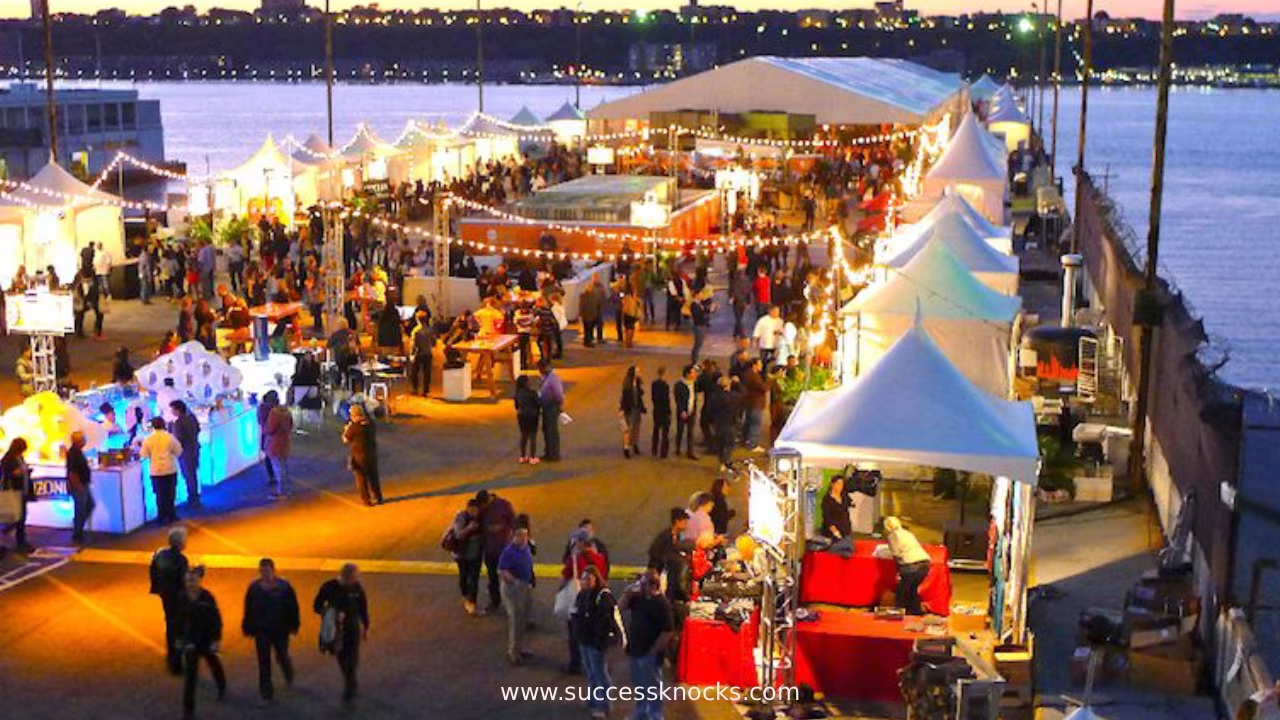
How to market at local festivals is one of the simplest ways to put your business in front of real people who are already in buying mode. If you run a small business, you do not need a huge ad budget to win here — you need a clear offer, a good booth setup, and a plan for what happens before, during, and after the event.
When you do this well, a local festival becomes more than a sales day. It becomes a place to collect leads, build trust, and turn casual visitors into repeat customers. In this article, we’re going to be taking a look at how to market at local festivals, and how you can bring in more attention, more sales, and more follow-up opportunities for your business. If you would like to find out more, feel free to read on.
Pic – CC0 License
How to market at local festivals with a simple plan
The best way to start is by choosing the right event. Not every festival will fit your business, so look for one that matches your audience, price point, and product type. A family food festival, for example, is a better fit for a snack brand than a high-end corporate trade crowd.
How to Market at Local Festivals Before you book, ask the organizer about booth location, foot traffic, electricity, setup rules, and sponsorship options. According to ZenBusiness, getting the event details early helps you understand what space and exposure you are really buying.[3] That step can save you time, money, and stress later.
You should also think about your goal. Are you trying to make immediate sales, grow your email list, or build awareness? Once that is clear, everything else gets easier.
Build a booth people want to stop at
If you want to know how to market at local festivals well, start with visibility. People walk past crowded spaces fast, so your booth needs to be easy to notice and even easier to understand. Use clear signage, strong colors, and a short message that says exactly what you offer.
Do not make people work to figure out why they should care. If you sell handmade candles, show the best scents first. If you offer a service, show the result, not the process. If you sell food, let the product do the talking.
A simple demo, sample, or free mini-offer can help a lot. Festival marketing guides consistently point to giveaways, samples, and clear booth messaging as effective ways to stop traffic and start conversations.[4][8]
Use local marketing before the festival starts
How to Market at Local Festivals A festival booth is stronger when people already know you are coming. Start promoting at least one to two weeks ahead, and longer if the event is large. Post on social media, send an email to your list, and share the event in local community groups where it makes sense.
Use the festival name in your posts and add location words naturally. Eventive Moments recommends using city, county, or neighborhood keywords in website content and ads so local searchers can find you more easily.[1] That works especially well if you want nearby customers to visit your booth or store.
You can also run small paid ads if the event is worth it. Even a modest budget on social media can help you reach people within a short driving radius. The goal is not to go viral. The goal is to get the right local people to show up.
Make it easy to collect leads
A lot of businesses focus only on event-day sales and miss the bigger opportunity. Festivals are perfect for lead generation. You can collect emails, phone numbers, and social follows if you give people a reason.
Use a QR code, tablet form, or simple signup sheet. Offer something useful in return, such as a discount, a giveaway entry, or a free guide. 4allpromos recommends collecting leads with intention and making the exchange feel worth it for the visitor.[4]
Keep the form short. People at festivals do not want to fill out a long survey. Name and email is usually enough.
Use content while the event is happening
Local festivals give you ready-made content. Take photos, short videos, customer reactions, and behind-the-scenes clips. Post while the event is still live so people nearby can still come by.
This is where your business can build social proof. When people see real visitors enjoying your booth, they are more likely to trust you. Square also recommends posting before, during, and after the event, and using the festival hashtag to reach attendees who may not know your brand yet.[10]
Ask customers if they are comfortable being featured in a quick photo or short video. One genuine post can do more than a polished ad if it feels real.
Follow up fast after the festival
This is where many businesses lose the sale. If someone gave you their contact info at the event, follow up quickly while they still remember you. Send a thank-you email, a special offer, or a simple reminder of what they saw at your booth.
A short message works best. You do not need a long sales pitch. Just remind them who you are, what they liked, and what to do next. SB Marketing Tools notes that quick follow-up, exclusive offers, and event recaps are all useful parts of post-festival marketing.[15]
You should also review what worked. Which product got the most interest? What question came up most often? What giveaway brought the most signups? Those answers help you improve your next event.
How America 250th anniversary festivals 2026 can expand your reach
If you want a bigger theme to connect with, America 250th anniversary festivals 2026 could be a strong keyword and campaign angle for your content and promotions. As the U.S. marks 250 years since independence, many communities will use local festivals, civic events, museum programs, and heritage celebrations to draw attention in 2026.[1][2]
That creates a useful opportunity for businesses that serve local audiences, tourists, families, or event crowds. You can create themed offers, run location-based promotions, or partner with local organizers tied to the anniversary calendar. If your business fits community pride, local history, food, travel, or family activities, this is a keyword worth building around.
The key is to stay relevant. Use the anniversary theme only if it fits your brand naturally. Forced messaging turns people away.
We hope that you have found this article enlightening in some way, because the main lesson is simple: if you plan ahead, keep your message clear, and stay focused on real customer needs, local festivals can become one of your most effective low-cost marketing channels.