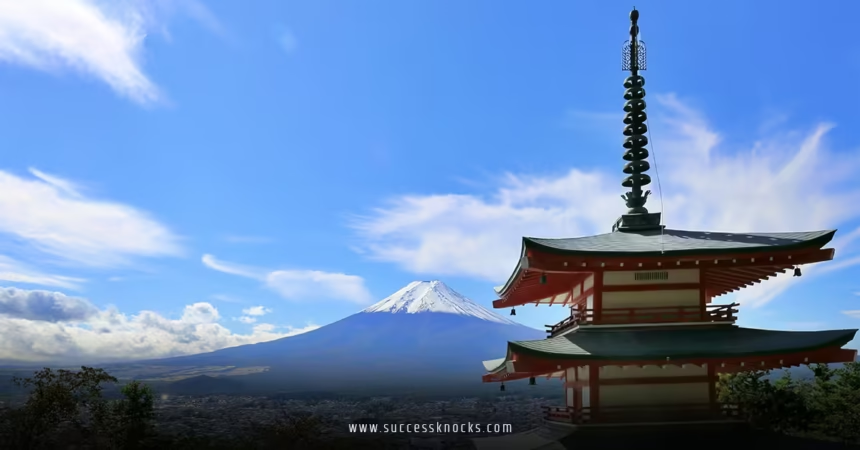
Arakurayama Sengen Park cherry blossom festival cancelled 2026 — yes, you read that right. One of Japan’s most iconic spring events has been officially scrapped for this year, sending ripples through the travel community and leaving many sakura chasers scrambling for alternatives.
Imagine planning your dream trip to Japan, picturing that perfect shot: soft pink cherry blossoms framing the elegant Chureito Pagoda with majestic Mount Fuji towering in the background. For years, this view at Arakurayama Sengen Park has been the stuff of Instagram dreams. But in early February 2026, Fujiyoshida city officials dropped a bombshell — the annual festival is no more, at least for now. So why did they pull the plug on such a beloved tradition? Let’s dive in.
Why Was the Arakurayama Sengen Park Cherry Blossom Festival Cancelled 2026?
The decision didn’t come out of nowhere. It boils down to one word: overtourism.
Since the festival launched around 2016, visitor numbers exploded. What started as a way to boost local tourism turned into a daily invasion. During peak bloom, over 200,000 people would flock to the park in just a couple of weeks. That’s not a gentle hanami (flower viewing) experience — it’s chaos.
Residents reported serious issues:
- Tourists trespassing into private yards and homes
- Litter scattered everywhere
- Traffic gridlock blocking streets for hours
- Even shocking reports of people defecating in private gardens
Mayor Shigeru Horiuchi put it bluntly: the beautiful scenery hid a real crisis for everyday life. He emphasized protecting residents’ dignity and peace over promoting endless crowds. So, after a decade, Fujiyoshida chose people over pictures.
The announcement came in early February 2026, leaving little time for anyone to adjust plans. The city’s tourism website has already removed all references to the “Arakurayama Sengen Park Cherry Blossom Festival,” signaling this isn’t just a one-year pause.
What Exactly Is (or Was) the Arakurayama Sengen Park Cherry Blossom Festival?
For those new to the spot, here’s the magic that made it famous.
Arakurayama Sengen Park sits on a hillside in Fujiyoshida, Yamanashi Prefecture, offering one of the most photogenic views in Japan. At its heart stands the striking five-story Chureito Pagoda (part of the Arakura Fuji Sengen Shrine), surrounded by around 650 Somei Yoshino cherry trees.
During full bloom (usually early to mid-April near Mt. Fuji), the pink petals create a dreamy foreground while snow-capped Fuji looms in the distance. Visitors climb about 398 steps to reach an observation deck for the classic postcard shot. Food stalls, stage performances, and a lively atmosphere once turned the park into a full-blown festival.
But here’s the catch: the “festival” wasn’t a single-day event. It referred to the entire bloom period when the city promoted the site heavily, provided extra facilities, and encouraged visitors. That promotion is now gone.
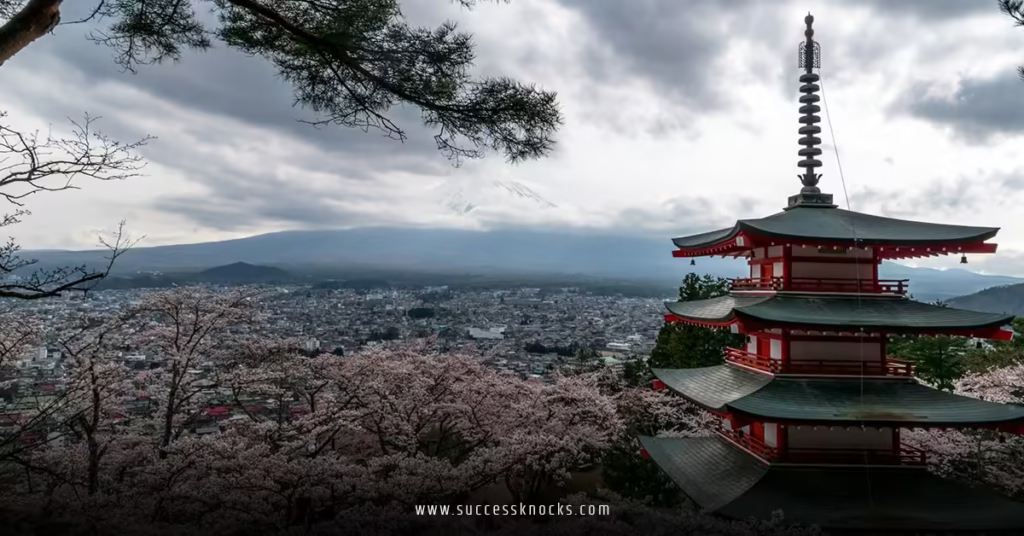
How Does the Cancellation Change Things for 2026?
Don’t panic just yet — the cherry blossoms aren’t cancelled.
The trees will still bloom. The park remains open to the public. You can still hike up those steps and admire the view.
However, everything official is gone:
- No festival name or promotion on city websites
- No organized events, food stalls, or performances
- No extra infrastructure tailored for massive crowds
The city plans to add security guards, temporary parking, and portable toilets to handle expected visitors, but the goal is clear: reduce the burden on locals. Without the official “festival” label, authorities hope fewer people will treat it as a must-do bucket-list item.
Think of it like removing the neon sign from a popular restaurant — the food’s still there, but it might not draw the same mob.
The Bigger Picture: Overtourism in Japan
The Arakurayama Sengen Park cherry blossom festival cancelled 2026 story isn’t isolated. It’s part of a growing wave across Japan.
Places like Kyoto’s bamboo groves, Mount Fuji’s trails, and even quiet onsen towns have faced similar backlash. Locals love sharing their culture — until sharing destroys daily life. When sidewalks vanish under crowds, when trash piles up, when privacy disappears, something has to give.
This cancellation sends a strong message: tourism must be sustainable. Beauty shouldn’t come at the cost of residents’ well-being. Many travelers are now asking themselves — am I visiting respectfully, or just chasing the perfect photo?
What Should Travelers Do Instead in 2026?
You still want that magical sakura + Fuji moment? Here are smarter, kinder options.
Visit early or late in the day
Crowds peak midday. Arrive at sunrise or just before sunset for fewer people and softer light.
Respect the neighborhood
Stay on paths, take your trash with you, don’t enter private property, and keep noise low. Small actions add up.
Explore nearby sakura spots
Try these less-crowded alternatives around Mt. Fuji:
- Lake Kawaguchiko northern shore
- Saiko Lake area
- Oshino Hakkai ponds
- Smaller shrines with Fuji views
Consider other regions
If you’re flexible, cherry blossoms bloom earlier in Tokyo or Kyoto — often with better crowd management.
The key? Enjoy the season without overwhelming one small town.
Why This Matters for the Future of Travel
The Arakurayama Sengen Park cherry blossom festival cancelled 2026 feels like a turning point. It’s a reminder that iconic destinations aren’t infinite. When social media turns a quiet gem into a global hotspot, the consequences hit fast.
Fujiyoshida’s choice protects its people first. Maybe other places will follow. And honestly, isn’t that what responsible travel is all about? Visiting in a way that lets the magic last for generations, not just for our Instagram feed.
Conclusion
The Arakurayama Sengen Park cherry blossom festival cancelled 2026 marks the end of an era for one of Japan’s most beloved spring events. Driven by overtourism, littering, trespassing, and genuine harm to local life, Fujiyoshida made the tough but principled decision to stop official promotion. While the cherry trees and Mount Fuji will still create breathtaking scenes, the absence of organized festivities changes the experience completely. This moment urges all of us — travelers, photographers, dreamers — to reflect on how we visit places we love. Let’s celebrate sakura responsibly, so future generations can enjoy it too.
External Links
- The Guardian – Japan cherry blossom festival cancelled because of unruly tourist ‘crisis’
- BBC News – Japanese city cancels cherry blossom festival over badly behaved tourists
- Kyodo News – Mt. Fuji cherry blossom festival canceled over fears of visitors behaving badly
FAQs
1. Why was the Arakurayama Sengen Park cherry blossom festival cancelled 2026?
The festival was cancelled due to severe overtourism that disrupted residents’ daily lives, including trespassing, littering, traffic chaos, and even reports of inappropriate behavior in private areas. Fujiyoshida prioritized protecting its community over hosting crowds.
2. Can I still visit Arakurayama Sengen Park during cherry blossom season in 2026?
Yes, the park remains open to the public. Cherry trees will bloom as usual, and you can climb to the observation deck for views of the pagoda and Mount Fuji — just without any official festival events or promotion.
3. Will the Arakurayama Sengen Park cherry blossom festival cancelled 2026 decision be permanent?
The announcement covers 2026, with no clear indication yet if the festival will return in future years. The city is focusing on sustainable tourism planning, so the future remains uncertain.
4. What are good alternatives to see cherry blossoms with Mount Fuji in 2026?
Consider quieter spots like Lake Kawaguchiko’s northern shore, Oshino Hakkai, or Saiko Lake. These offer similar Fuji views with sakura and usually far fewer crowds.
5. How can I visit responsibly now that the Arakurayama Sengen Park cherry blossom festival cancelled 2026?
Arrive very early or late, follow marked paths only, take all trash with you, avoid private property, and keep noise down. Respecting locals goes a long way in preserving these special places.