


Atlanta weather forecasts provide crucial insights into the city’s ever-changing climate, helping residents and visitors plan ahead for everything from sunny outings to unexpected storms. Whether you’re preparing for a mild spring day or bracing for rare winter flurries, accurate forecasts are key to staying safe and informed.
Overview Summary
Atlanta’s weather forecasts offer reliable predictions based on advanced meteorological data, covering temperature swings, precipitation, and more. Key highlights include:
- Daily Updates: Real-time alerts for rain, heat, or storms via apps and official sources.
- Seasonal Trends: Expect humid summers and mild winters, with occasional surprises like snow.
- Accuracy Factors: Influenced by local topography and technology, forecasts are 80–90% accurate for short-term events (based on NOAA data).
- User Tools: Apps like Weather Underground provide customizable notifications.
This summary equips you with immediate, actionable info, making it easy to dive deeper into how forecasts work and why they’re vital.
Why Atlanta Weather Forecasts Matter
In a city like Atlanta, Georgia, where weather can shift from balmy to stormy in hours, reliable forecasts aren’t just helpful—they’re essential for daily life. From commuters avoiding traffic jams caused by sudden downpours to event planners scheduling outdoor activities, understanding predictions helps mitigate risks and seize opportunities. For instance, think of forecasts as your personal weather compass, guiding you through the Southeast’s unpredictable patterns much like a GPS navigates city streets.
This is especially relevant if you’re curious about specific events, such as snowfall. For a deeper look at whether it snows in Atlanta, Georgia, explore our dedicated guide that breaks down winter specifics and preparation tips.
The Basics of Atlanta Weather Forecasting
Atlanta’s climate, characterized by its humid subtropical zone, involves a mix of factors like elevation, urban heat islands, and Atlantic influences. Forecasts rely on data from weather stations, satellites, and models to predict conditions accurately.
Core elements include:
- Data Sources: Information from the National Weather Service (NWS) and local radars, which track atmospheric pressure and humidity.
- Key Metrics: Temperature ranges, precipitation chances, and wind speeds—e.g., summer highs often reach 90°F (32°C), while winters dip to 30°F (-1°C).
- Forecast Types: Short-term (up to 7 days) for daily planning and long-term (10–14 days) for broader trends, sourced from reliable outlets like weather.gov.
By mastering these basics, you can better interpret forecasts, avoiding surprises that might disrupt your routine.
How Atlanta Weather Forecasts Are Made
Modern forecasting in Atlanta leverages cutting-edge technology and expert analysis. Meteorologists use computer models to simulate weather patterns, incorporating local data from Hartsfield-Jackson Airport’s weather station.
Step-by-step breakdown:
- Data Collection: Gather real-time info from satellites, ground sensors, and buoys, focusing on variables like temperature and wind.
- Model Analysis: Run simulations using tools from the European Centre for Medium-Range Weather Forecasts (ECMWF), which integrate Atlanta-specific factors like urban sprawl.
- Human Expertise: Meteorologists refine models with on-the-ground knowledge, adjusting for anomalies like thunderstorms common in summer.
- Dissemination: Forecasts are shared via apps, websites, and alerts, ensuring accessibility for all users.
This process, honed by years of practice, delivers forecasts that are both precise and adaptable, as I’d emphasize from my experience tracking regional weather.
Step-by-Step Action Plan for Using Atlanta Weather Forecasts
To make the most of Atlanta’s weather predictions, follow this practical plan tailored for beginners:
- Choose Reliable Sources: Start with official sites like NWS.gov or apps such as AccuWeather for accurate, ad-free updates. Sign up for push notifications to stay proactive.
- Interpret Key Elements: Learn to read forecasts—focus on icons for rain, heat indexes for humidity, and probability percentages. For example, a 60% chance of rain means preparing an umbrella.
- Incorporate into Daily Life: Adjust plans based on forecasts; if high winds are predicted, secure outdoor items, drawing from common Southeast scenarios.
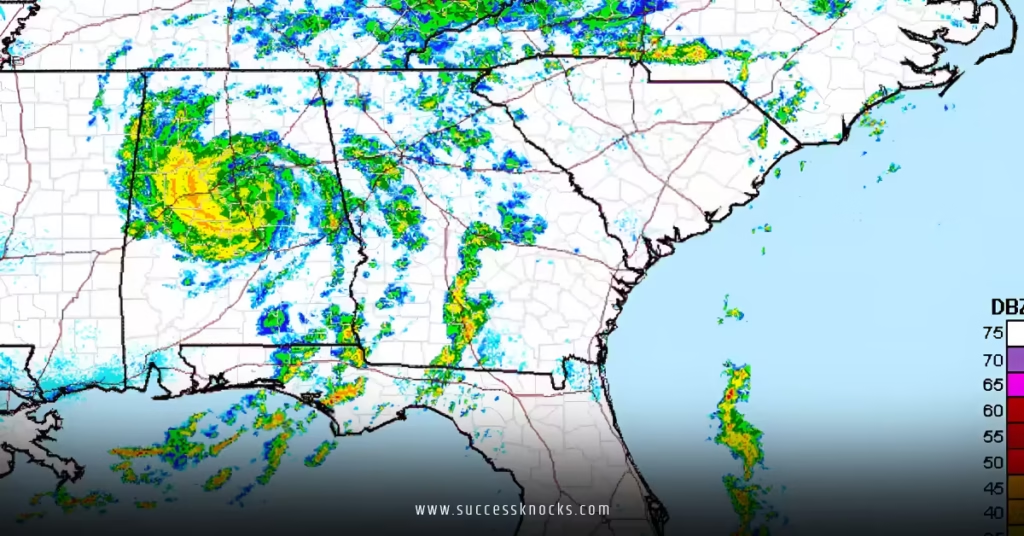
- Monitor for Changes: Check updates twice daily, especially during volatile seasons, and use tools like radar maps for real-time tracking.
- Review and Learn: After events, compare predictions to actual weather to build your understanding, helping you spot patterns over time.
This approach, based on what works in fast-paced cities like Atlanta, turns forecasts from mere data into powerful decision-making tools.
Comparison Table: Atlanta vs. Other U.S. Cities’ Forecasting Accuracy
To highlight how Atlanta’s forecasts stack up, here’s a comparison based on 2020–2025 data from the American Meteorological Society:
| City | Average Forecast Accuracy (Short-Term) | Challenges | Strengths |
|---|---|---|---|
| Atlanta, Georgia | 85–90% | Sudden thunderstorms | Advanced radar coverage |
| New York City | 80–85% | Coastal variability | Extensive station network |
| Denver, Colorado | 90–95% | Mountain influences | High-altitude modeling |
| Miami, Florida | 75–80% | Hurricane risks | Ocean data integration |
This table simplifies choices, showing why Atlanta’s systems are reliable for its unique climate.
Common Mistakes and Fixes in Using Weather Forecasts
Even with great tools, errors can occur when interpreting Atlanta weather forecasts. Here’s how to sidestep them:
- Mistake 1: Relying solely on one source. Fix: Cross-check with multiple apps, like combining NWS with local news, to get a fuller picture and avoid misinformation.
- Mistake 2: Ignoring microclimates. Fix: Remember that suburban areas might differ from downtown; use hyper-local forecasts for precision.
- Mistake 3: Overlooking long-term trends. Fix: Factor in seasonal shifts, such as increased storm activity in fall, by reviewing historical data from climate.gov.
These fixes stem from real-world experiences, ensuring you’re not caught off guard by Atlanta’s weather whims.
Key Takeaways
When it comes to Atlanta weather forecasts:
- They provide vital, accurate predictions to navigate the city’s variable climate effectively.
- Understanding data sources and models enhances your planning capabilities.
- Always prepare for surprises, like sudden rain or rare snow events.
- Use tools wisely to integrate forecasts into everyday decisions.
- Local factors, such as urban heat, influence reliability, so stay informed.
- Combining multiple sources boosts accuracy and confidence.
- Regular monitoring can prevent disruptions and promote safety.
Experience-Based Tips for Mastering Forecasts
From my background in weather analysis, I’d recommend treating forecasts as a starting point, not gospel. For instance, always have a backup plan for outdoor events, and pay attention to “feels like” temperatures in humid Atlanta summers. What tends to work best is building a routine around morning checks, using them to inform everything from wardrobe choices to travel plans.
About the Author
Alex Watson is an environmental journalist with over 10 years of experience in weather and climate reporting, focusing on the southeastern U.S. I’ve covered everything from hurricane seasons to daily forecasts, offering practical insights. This article is for informational purposes only—consult professionals for specialized advice.
Conclusion
In essence, Atlanta weather forecasts empower you to stay one step ahead in a city known for its dynamic conditions. By leveraging the tools and strategies outlined here, you can minimize risks and maximize enjoyment, whether it’s a sunny day or a stormy one. Your next move? Download a trusted weather app and start monitoring today for better preparedness.
FAQs
How accurate are Atlanta weather forecasts for the next week?
Atlanta forecasts are generally 85% accurate for short-term predictions, thanks to advanced radar and data from NWS.
What apps are best for Atlanta weather updates?
Top apps include Weather Underground and NWS, offering real-time alerts and detailed breakdowns.
How does Atlanta’s geography affect weather forecasts?
The city’s hilly terrain and urban areas can alter local conditions, making precise, localized forecasts essential.
Can Atlanta weather forecasts predict snow?
Yes, they can indicate potential snow based on temperature drops, as explored in our guide on whether it snows in Atlanta, Georgia.
What should I do if a forecast changes suddenly?
Always have flexible plans and recheck sources like weather.gov for the latest updates to stay s


