

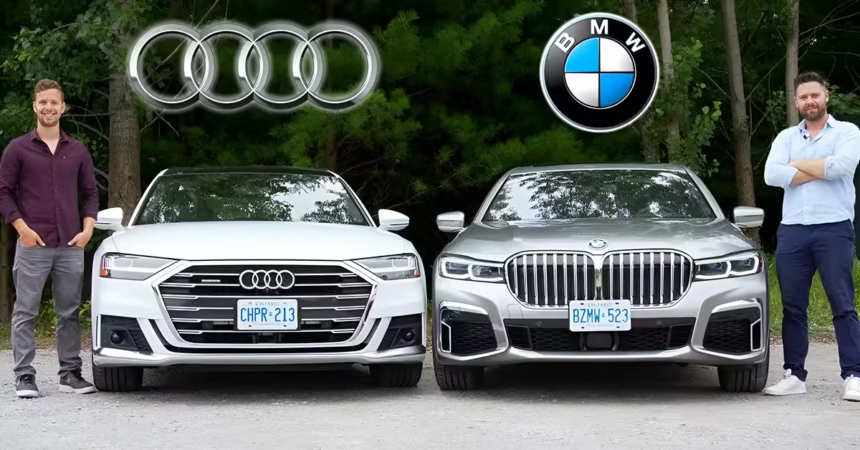
Audi vs BMW comes down to two German luxury giants battling for your driveway in the USA. One leans into sharp, driver-focused thrills. The other delivers refined comfort with confident all-weather grip. Both promise premium cabins, cutting-edge tech, and that unmistakable badge appeal. But they feel different behind the wheel—and hit your wallet in distinct ways.
Here’s the quick rundown for beginners and intermediates eyeing a 2026 model:
- Driving personality: BMW often feels more agile and engaging, like a sports car in a suit. Audi emphasizes smoothness and quattro all-wheel drive stability.
- Reliability edge: Recent J.D. Power data shows BMW ahead of Audi in long-term dependability for three-year-old vehicles, though both trail mass-market leaders.
- Ownership costs: Maintenance and repairs run higher than mainstream cars for both, with some analyses showing Audi slightly cheaper over 10 years in certain models.
- Tech and safety: Audi frequently earns more IIHS Top Safety Pick+ awards; both pack advanced driver aids standard on higher trims.
- Value play: Entry models start in the low-to-mid $40K range, but real-world pricing, options, and resale vary by segment.
Pick based on what you value most: pure driving joy or polished everyday luxury.
What Makes Audi vs BMW Such a Tough Call?
You walk into a showroom. Leather smells hit you. Screens glow. Salesperson asks: sporty or sophisticated? That’s the heart of Audi vs BMW.
BMW built its reputation on “ultimate driving machines”—rear-wheel bias (or xDrive), precise steering, and engines that love revs. Think of it as a well-trained athlete: responsive, eager, a bit demanding on imperfect roads.
Audi counters with quattro all-wheel drive as a signature. It plants the car, especially in rain or snow common across the USA. Interiors often feel a notch more modern and understated. The ride can border on plush without sacrificing composure.
Neither is “better.” One fits enthusiasts who carve canyons on weekends. The other suits commuters who want confidence in Midwest winters or California freeways.
Here’s the thing: test drive both back-to-back. Muscle memory decides more than specs on paper.
Performance and Driving Dynamics in Audi vs BMW
BMW edges the fun factor for many. The 3 Series or X3 delivers sharp turn-in and balanced handling. 2026 models continue that tradition with responsive turbo engines and available adaptive suspensions.
Audi counters with strong straight-line pull and composed high-speed manners. Quattro helps in foul weather—huge for much of the country. Acceleration numbers are close in comparable models: think low-5-second 0-60 times in popular compact and midsize offerings.
Fuel economy? BMW often squeezes slightly better highway figures in some SUVs, while real-world driving styles and options swing the needle. Hybrids and electrics expand choices on both sides.
Rhetorical question: Do you want the car that makes you smile on an empty on-ramp, or the one that shrugs off a sudden snow squall?
In my experience after years watching these brands, BMW rewards engaged drivers. Audi makes long hauls feel effortless.
Interior, Tech, and Features
Both brands deliver premium materials—soft-touch plastics, available real leather, ambient lighting. Audi interiors in recent years often impress with cleaner layouts and high-resolution virtual cockpits. BMW’s iDrive system remains intuitive once you learn it, though some complain about heavy reliance on touch or menus.
Infotainment screens dominate dashboards in 2026 models. Wireless Apple CarPlay and Android Auto are standard across the board. Higher trims add augmented reality navigation, premium audio, and massaging seats.
Cargo space and passenger room are competitive in class rivals like the Q5 vs X3 or A4 vs 3 Series. BMW sometimes claims a slight edge in certain configurations; Audi counters with thoughtful details like more standard luxury touches in base trims.
Bottom line: Sit inside both. One cabin will feel like “you” faster.
Reliability and Long-Term Ownership in Audi vs BMW
Luxury comes with a maintenance tax. Expect higher costs than a Toyota or Honda.
J.D. Power’s 2025 Vehicle Dependability Study (covering three-year-old vehicles) placed BMW ahead of Audi among German luxury brands, with fewer reported problems per 100 vehicles. Audi trailed further back.
Consumer Reports and other owner surveys echo that both require diligent service. Electrical gremlins, suspension wear, and turbo-related issues appear in forums for both. Proper dealership maintenance and extended warranties help.
Resale value holds strong for popular models on either side, though specific years and mileage matter. Certified pre-owned programs from both brands add peace of mind with extra coverage.
Rule of thumb: Budget 1.5–2x mainstream car costs for routine service after warranty. Shop around independent German specialists for savings once out of warranty.
Costs: Pricing, Maintenance, and Total Ownership
Base prices for 2026 entry luxury models hover in the $40K–$55K range depending on sedan or SUV. Loaded versions or performance trims climb fast into six figures.
Here’s a simplified comparison table for popular 2026 segments (approximate starting MSRPs and key notes; actual dealer pricing varies):
| Category | BMW Example | Starting Price | Audi Example | Starting Price | Notes |
|---|---|---|---|---|---|
| Compact Sedan | 3 Series | ~$49,000 | A4 (or A3/A5 variants) | ~$42,000–$50,000 | BMW often sportier base; Audi competitive on value |
| Compact Luxury SUV | X1 | ~$42,000–$45,000 | Q3 | ~$43,000–$55,000 | Close pricing; BMW sometimes edges efficiency/reliability talk |
| Midsize SUV | X3 | ~$51,000 | Q5 | ~$53,000 | BMW cargo edge in some reviews; Audi refinement |
| Maintenance (annual avg est.) | Varies by model | ~$968–higher | Varies by model | ~$987 or lower in some analyses | Audi occasionally cheaper long-term per certain studies |
Data drawn from industry comparisons; always verify current quotes.
Insurance runs higher for both due to repair costs and performance potential. Fuel, tires, and brakes add up quicker on enthusiastic drives.
What I’d do: Calculate 5-year total ownership using tools from sites like Kelley Blue Book. Factor local fuel prices, your annual miles, and whether you’ll DIY minor maintenance.
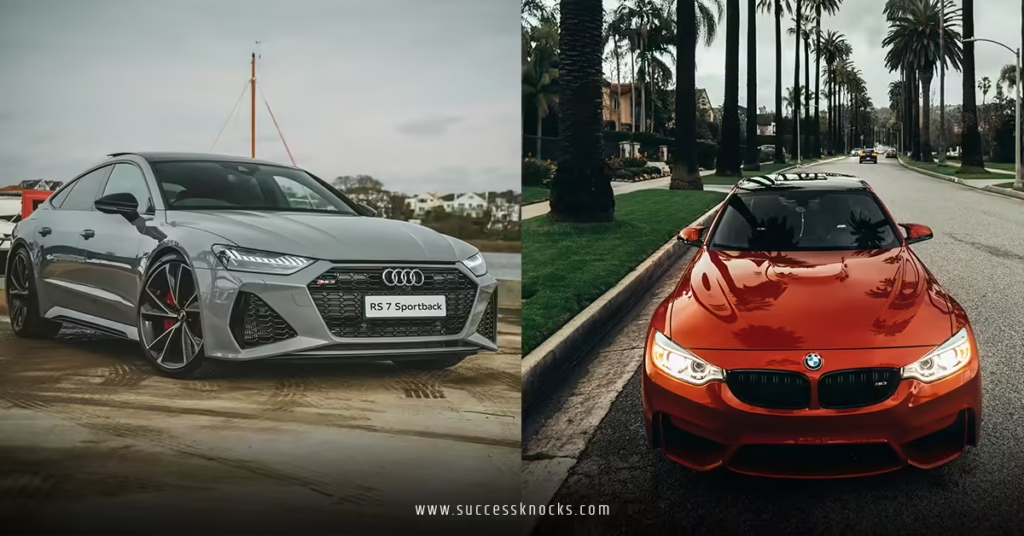
Safety in Audi vs BMW
Safety tech is mature on both. Automatic emergency braking, blind-spot monitoring, lane-keeping, and adaptive cruise are widespread.
Audi often leads luxury brands in IIHS Top Safety Pick+ awards for 2026, with multiple models earning the highest honors under stricter criteria. BMW earns solid ratings too, though fewer top-tier picks in recent cycles.
NHTSA 5-star ratings are common across the lineup. Features like 360-degree cameras and advanced airbag setups are standard or available.
Neither skimps here. But Audi’s recent safety hardware momentum gives it bragging rights in crash-prevention categories.
Which One Should You Choose?
No universal winner in Audi vs BMW.
- Go BMW if you crave engaging dynamics, bold styling, and a reputation for driver involvement.
- Choose Audi for quattro confidence, refined ride quality, upscale details, and strong safety showings.
- Consider hybrids or EVs from either if efficiency and lower running costs matter.
Test drive multiples. Cross-shop specific rivals (3 Series vs A4, X3 vs Q5). Talk to current owners via forums or local clubs. Factor your climate, commute, and budget for surprises.
In the trenches, the best choice is the one that still excites you after six months—not just on delivery day.
Key Takeaways
- Audi vs BMW pits sporty precision against composed all-weather luxury.
- BMW often wins on driving fun and recent dependability scores; Audi shines in safety awards and some value analyses.
- Both cost more to own long-term than mainstream brands—plan accordingly.
- Interiors and tech are top-tier; the difference is feel and interface preference.
- Test drives and total-cost calculations beat online debates.
- Warranty and certified pre-owned coverage are similar (typically 4 years/50,000 miles base).
- Popular segments like compact SUVs see tight competition on price and features.
- Your driving style and local conditions (snow? highways? city?) should tip the scale.
Common Mistakes When Deciding Audi vs BMW (and How to Fix Them)
- Ignoring real maintenance costs: People fixate on sticker price. Fix: Use ownership cost calculators and get quotes from multiple dealers plus independents.
- Skipping test drives in real conditions: Sunny showroom drives mislead. Fix: Drive both on your daily route, including highways and imperfect pavement.
- Assuming one is always more reliable: Data shifts by model year and specific powertrain. Fix: Check model-specific J.D. Power or Consumer Reports ratings for the exact variant.
- Overloading with options early: Tempting, but resale can suffer. Fix: Stick to must-haves; add later if needed.
- Forgetting climate fit: Rear-drive BMWs can feel twitchy in snow without xDrive. Fix: Prioritize AWD if you face winter weather.
Your Step-by-Step Action Plan for Choosing
- Define needs: List daily drive, passengers, cargo, budget (including 5-year costs), and must-have features.
- Research specific models: Narrow to 2–3 rivals (e.g., 2026 BMW 3 Series vs Audi A4).
- Compare specs side-by-side: Use manufacturer sites or review aggregators for power, MPG, safety ratings.
- Drive them: Schedule back-to-back demos. Note how each feels after 30 minutes.
- Crunch numbers: Factor insurance quotes, fuel, maintenance estimates, and incentives.
- Check local inventory and deals: Certified pre-owned can save thousands with remaining warranty.
- Talk to owners: Join Reddit threads, forums, or local meetups for unfiltered takes.
- Decide and negotiate: Walk in armed with data. Don’t rush.
Follow this and you’ll land the right car instead of a shiny regret.
Conclusion
Audi vs BMW ultimately rewards knowing yourself as a driver. BMW delivers that connected, thrilling experience many enthusiasts chase. Audi offers confident, refined luxury that shines in daily life and tough conditions. Both represent German engineering at a high level, with strong tech and safety in 2026 models.
The real winner? The one you click with after honest drives and honest math. Start with a shortlist, hit the road, and trust the seat-of-the-pants feel. Your perfect luxury ride is waiting—one badge or the other.
FAQ
Is Audi or BMW more reliable in 2026?
Recent J.D. Power data gives BMW an edge in reported problems for three-year-old vehicles, though both are luxury brands with higher-than-average repair needs. Check specific model ratings.
How do maintenance costs compare in Audi vs BMW?
Expect similar premium-level expenses. Some analyses show Audi slightly lower over 10 years on certain models, but real costs depend on driving habits and service location.
Which is better for winter driving: Audi or BMW?
Audi’s standard or available quattro all-wheel drive often provides better traction and confidence in snow. BMW xDrive is strong too—test both.
Are Audi and BMW warranties the same?
Typically yes: 4 years/50,000 miles basic and powertrain coverage. BMW sometimes includes complimentary maintenance for a period.
Should beginners buy new or used in the Audi vs BMW debate?
Certified pre-owned reduces risk with inspected vehicles and extended coverage. New gives latest tech and full warranty—budget and risk tolerance decide.


