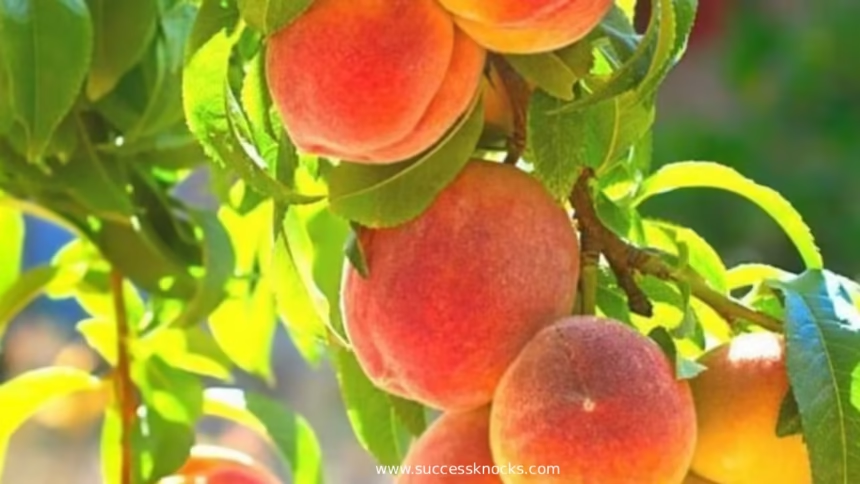
Belle of Georgia peach stands as one of the most beloved and distinctive peach varieties in American orchards, renowned for its exceptional sweetness, creamy white flesh, and rich cultural heritage rooted in the heart of Georgia’s agricultural tradition.
What Makes Belle of Georgia Peach Special?
Here’s what sets this variety apart:
- Distinctive white flesh with red-blushed skin that’s incredibly sweet
- Freestone variety making it perfect for fresh eating and cooking
- Mid-season harvest typically occurring in July
- Cold-hardy compared to other peach varieties
- Historic significance as Georgia’s signature peach since the early 1900s
The Story Behind Belle of Georgia Peach
Let me tell you something. This isn’t just another peach variety dreamed up in some corporate lab. The Belle of Georgia peach has roots that run deep—we’re talking over a century of Southern heritage.
Developed in the early 1870s by Samuel H. Rumph in Marshallville, Georgia, this variety quickly became the gold standard for what a Georgia peach should be. Rumph named it after his home state, and honestly? The name fits perfectly.
Why Georgia Became the Peach State
Here’s the kicker: Georgia didn’t become famous for peaches by accident. The climate, soil conditions, and elevation create a perfect storm for peach cultivation. The Belle of Georgia peach thrived in these conditions better than most varieties, establishing itself as the poster child for Southern peach perfection.
The variety’s success wasn’t just about taste. It shipped well, stored better than competitors, and could handle Georgia’s sometimes unpredictable weather patterns. Smart breeding for practical purposes—something modern fruit developers could learn from.
Belle of Georgia Peach Characteristics: What You Need to Know
| Feature | Belle of Georgia | Typical Yellow Peach |
|---|---|---|
| Flesh Color | Creamy white | Yellow |
| Stone Type | Freestone | Varies |
| Sweetness Level | Very high | Moderate to high |
| Harvest Time | Mid-July | June-August |
| Cold Tolerance | High | Moderate |
| Shelf Life | 3-5 days | 3-7 days |
Flavor Profile Deep Dive
The Belle of Georgia peach doesn’t mess around when it comes to flavor. We’re talking about a fruit that’s genuinely sweet without being cloying, with subtle floral notes that remind you why people write poetry about peaches.
The texture? Firm but yielding. Not mushy like some overripe varieties, but not hard enough to break your teeth either. It’s that perfect balance that makes you understand why Southern grandmothers guard their peach cobbler recipes like state secrets.
Visual Identification
- Skin: Pale yellow to cream base with deep red blush covering 30-60% of the surface
- Shape: Round to slightly oval, well-formed without irregular bumps
- Size: Medium to large (typically 2.5-3 inches diameter)
- Flesh: Pure white to very pale cream, no red streaking near the pit
Growing Belle of Georgia Peach: A Step-by-Step Guide
Site Selection and Soil Preparation
First things first: location matters. A lot.
Your Belle of Georgia peach tree needs full sun—we’re talking at least 6-8 hours of direct sunlight daily. These trees don’t do well in shade, and honestly, why would you want to hide such a beautiful tree anyway?
Soil requirements:
- Well-draining soil (absolutely critical)
- pH between 6.0-7.0
- Rich in organic matter
- Good air circulation to prevent disease
Planting Timeline and Process
Best planting times:
- Spring: March through May (most regions)
- Fall: October through November (warmer zones)
Here’s my tried-and-true planting process:
- Dig the hole twice as wide as the root ball, same depth
- Amend the soil with compost (1/3 compost to 2/3 native soil)
- Position the tree so the graft union sits 2-3 inches above soil level
- Backfill carefully avoiding air pockets
- Water thoroughly and apply 2-3 inch mulch layer
Care and Maintenance Schedule
Year 1-2: Establishment Phase
- Water deeply once weekly (more in drought conditions)
- Light fertilization in early spring
- Minimal pruning except for damaged branches
Year 3+: Production Phase
- Annual dormant season pruning (January-February)
- Regular fertilization program according to USDA Extension guidelines
- Integrated pest management approach
Belle of Georgia Peach vs. Other Varieties: The Real Comparison
Look, I’ve tasted a lot of peaches in my time. Here’s how the Belle of Georgia stacks up against other popular varieties:
Belle of Georgia vs. Elberta
Elberta peaches dominated commercial orchards for decades, but here’s the thing: they’re yellow-fleshed and nowhere near as sweet. The Belle of Georgia peach brings superior flavor and that distinctive white flesh that makes it stand out in any fruit bowl.
Belle of Georgia vs. Red Haven
Red Haven ripens earlier and ships better commercially. But for pure eating quality? No contest. The Belle of Georgia peach wins on sweetness and texture every single time.
Belle of Georgia vs. White Lady
Both are white-fleshed varieties, but White Lady tends to be more acidic. The Belle of Georgia peach offers better balance and more consistent flavor across different growing conditions.
Harvesting and Storage: Getting It Right
Perfect Ripeness Indicators
Here’s what I look for:
- Color change: Background color shifts from green to cream/yellow
- Give test: Gentle pressure yields slightly (but doesn’t leave dents)
- Aroma: Sweet, peachy fragrance at the stem end
- Easy separation: Fruit comes off the branch with minimal force
Storage Best Practices
Counter ripening: Leave firm peaches at room temperature for 2-3 days. They’ll continue developing sugars and softening naturally.
Refrigeration: Only refrigerate fully ripe Belle of Georgia peaches. They’ll keep 3-5 days in the crisper drawer.
Freezing: Slice and freeze on trays, then transfer to freezer bags. Use within 8-10 months for best quality.
Culinary Uses: Beyond Just Eating Fresh
Classic Applications
The Belle of Georgia peach shines in traditional Southern desserts. Peach cobbler, peach pie, peach ice cream—this variety was practically designed for these applications.
But here’s where it gets interesting: the low acidity and high sugar content make it perfect for preserving. Peach preserves, jams, and chutneys made with Belle of Georgia peaches have incredible depth of flavor.
Modern Culinary Trends
Grilling: The firm flesh holds up beautifully on the grill. Slice thick and grill for 2-3 minutes per side.
Savory applications: Try Belle of Georgia peach salsa with grilled chicken or pork. The sweetness balances spicy and savory elements perfectly.
Cocktails: Muddled Belle of Georgia peach makes exceptional cocktails. The natural sweetness means less added sugar needed.
Common Mistakes and How to Fix Them
Mistake #1: Picking Too Early
The problem: Peaches won’t continue ripening properly once picked too early.
The fix: Wait for the color change and slight give. Better to wait an extra day than pick too soon.
Mistake #2: Overwatering Established Trees
The problem: Too much water dilutes flavor and can cause root rot.
The fix: Deep, infrequent watering is better than frequent shallow watering. Let soil dry between waterings.
Mistake #3: Improper Storage
The problem: Refrigerating unripe peaches stops the ripening process completely.
The fix: Always ripen at room temperature first, then refrigerate only if needed for storage.
Mistake #4: Ignoring Disease Prevention
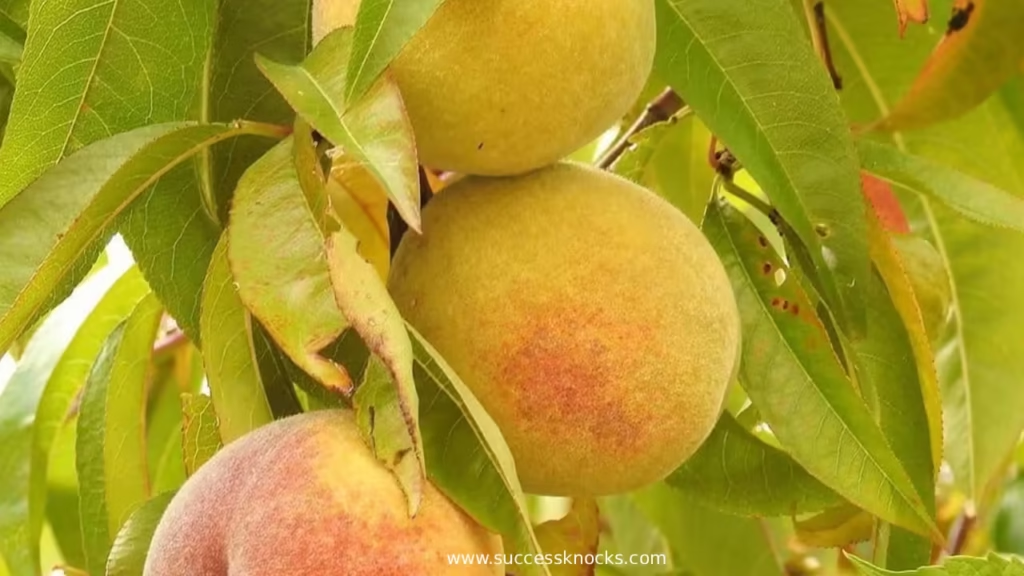
The problem: Peach leaf curl and brown rot can devastate crops.
The fix: Follow integrated pest management practices recommended by your local agricultural extension office.
Mistake #5: Poor Pruning Timing
The problem: Pruning at the wrong time increases disease susceptibility.
The fix: Prune only during dormant season (January-February in most regions).
Nutritional Profile and Health Benefits
Belle of Georgia peaches pack impressive nutritional value into each sweet bite:
Per medium peach (150g):
- Calories: 60
- Vitamin C: 15% daily value
- Vitamin A: 10% daily value
- Fiber: 2.3 grams
- Potassium: 285mg
The antioxidants in peaches, particularly chlorogenic acid and anthocyanins (in the skin), provide anti-inflammatory benefits according to research from the American Heart Association.
Regional Growing Information
Best Growing Zones
Belle of Georgia peach trees thrive in USDA hardiness zones 5-9. They need sufficient chill hours (600-900 hours below 45°F) to fruit properly, making them unsuitable for tropical regions.
State-by-State Considerations
Georgia: Obviously ideal conditions. Plant in well-draining piedmont soils.
South Carolina: Similar conditions to Georgia. Watch for late spring frosts.
North Carolina: Excellent in foothill and mountain regions. Avoid low-lying frost pockets.
Tennessee/Kentucky: Good cold tolerance makes Belle of Georgia peach suitable for these border states.
Texas: Works in eastern regions with adequate chill hours. Avoid hot, dry western areas.
Commercial vs. Home Growing Considerations
Home Orchard Advantages
Growing Belle of Georgia peach trees in your backyard offers several benefits over buying commercial fruit:
Flavor: You can let fruit ripen completely on the tree—something commercial growers can’t do due to shipping requirements.
Variety control: You know exactly what variety you’re getting and how it was grown.
Cost savings: A mature tree produces 3-5 bushels annually—significant savings over store-bought organic peaches.
Space Requirements
A standard Belle of Georgia peach tree needs:
- Mature size: 15-20 feet tall, 15-20 feet wide
- Minimum spacing: 20 feet from other trees
- Dwarf varieties: 8-10 feet spacing (where available)
Seasonal Care Calendar
Spring (March-May)
- Apply balanced fertilizer as buds break
- Monitor for pest emergence
- Begin regular watering schedule
- Thin fruit if heavy set occurs
Summer (June-August)
- Harvest Belle of Georgia peach fruit in mid-July
- Continue regular watering
- Summer pruning if needed (light only)
- Monitor for diseases
Fall (September-November)
- Reduce watering as leaves drop
- Clean up fallen fruit and leaves
- Apply winter mulch
- Plan for dormant season pruning
Winter (December-February)
- Major pruning during dormancy
- Apply dormant oil if needed
- Plan fertilization program
- Order replacement trees if needed
Key Takeaways
- Belle of Georgia peach is a white-fleshed, freestone variety known for exceptional sweetness and Southern heritage
- Mid-season harvest timing (July) makes it perfect for home orchards and fresh eating
- Requires full sun, well-draining soil, and proper chill hours to produce quality fruit
- Superior flavor when tree-ripened compared to commercially harvested fruit
- Versatile culinary applications from fresh eating to preserving and cooking
- Cold-hardy characteristics make it suitable for zones 5-9
- Proper timing for harvest and storage is critical for best quality
- Regular maintenance and disease prevention ensure healthy, productive trees
Conclusion
The Belle of Georgia peach represents everything we love about American fruit growing—heritage, flavor, and reliability rolled into one beautiful package. Whether you’re planning a home orchard or simply want to appreciate this variety better, understanding what makes the Belle of Georgia special helps you make informed decisions.
The bottom line? If you want to experience peaches the way they were meant to taste, seek out tree-ripened Belle of Georgia peaches. Better yet, plant your own tree and discover why this variety has been Georgia’s pride for over a century.
Your taste buds will thank you.
Frequently Asked Questions
Q: How long does it take for a Belle of Georgia peach tree to produce fruit?
A: Most Belle of Georgia peach trees begin producing fruit in their third year after planting, with full production typically reached by year 5-6.
Q: Can Belle of Georgia peach trees self-pollinate?
A: Yes, Belle of Georgia peach trees are self-fertile, meaning you only need one tree to get fruit. However, cross-pollination with other peach varieties can increase yield.
Q: What’s the difference between Belle of Georgia peach and regular store-bought peaches?
A: Belle of Georgia peaches have distinctive white flesh, higher sugar content, and more complex flavor compared to typical yellow-fleshed commercial varieties.
Q: How do I know if my Belle of Georgia peach tree needs more chill hours?
A: Insufficient chill hours result in delayed leaf emergence, poor fruit set, and irregular flowering. Trees need 600-900 hours below 45°F during dormancy.
Q: Are Belle of Georgia peach trees disease-resistant?
A: While not immune to diseases, Belle of Georgia peach trees show good resistance to common peach problems when grown in proper conditions with good air circulation and preventive care.