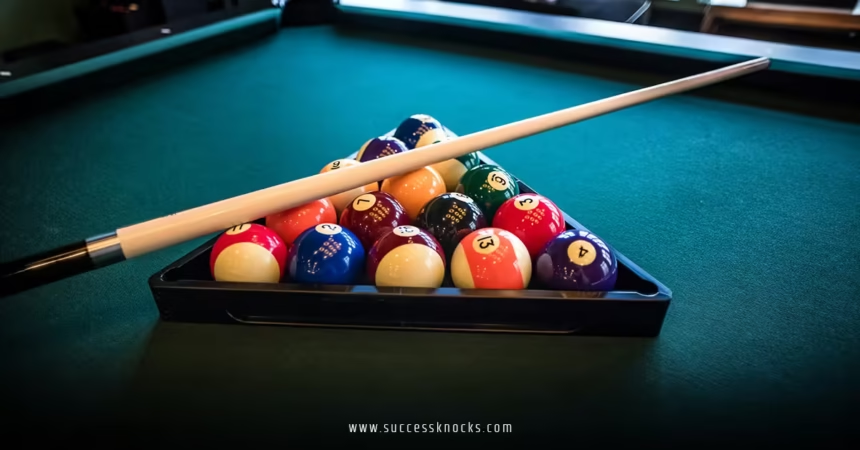
Billiards vs pool. You’ve heard the terms tossed around like a poorly aimed 8-ball. But here’s the kicker: they’re not the same game. Not even close.
One’s the elegant ancestor. The other’s the rowdy barroom brawl. And if you’re picking up a cue for the first time—or upgrading your game—this breakdown will clear the fog fast.
Quick Overview: Billiards vs Pool at a Glance
Why does this matter? New players waste hours (and dollars) on the wrong table or rules. Get it right upfront.
- Core Difference: Billiards refers to carom billiards—no pockets, pure precision shots on a pocketless table. Pool is pocket billiards, with six pockets and numbered balls.
- Table Specs: Billiards tables are 5×10 feet, no pockets, slate smooth. Pool tables? 4×8 or 4.5×9 feet, pockets galore.
- Balls in Play: Billiards uses 3 balls (two cue, one object). Pool? 15 object balls + cue ball, plus stripes/solids split.
- USA Hotspot: Pool dominates American bars and homes. Billiards shines in pro circuits like the UMB World Three-Cushion Championship.
- Skill Jump: Billiards demands bank-shot mastery. Pool rewards strategy and power breaks.
Stick around. We’ll dissect rules, gear, and how to start without looking like a rookie.
What Exactly Is Billiards? (No Pockets, All Precision)
Picture this: a vast green felt ocean. No holes to swallow your shots. Just three balls dancing off cushions.
Billiards—true billiards—is carom billiards. Born in 18th-century France. Players score by hitting your cue ball into the other two balls, plus at least one cushion. First to a point total wins.
Key Rules Snapshot:
- 3 balls: white cue (yours), yellow cue (opponent), red object.
- Shot must contact both other balls + rail once.
- Fouls? Scratch or miss? Opponent takes over, balls reset.
No kidding. It’s chess with cues. Every angle calculated. In the USA, it’s niche but growing via leagues like the American CueSports (ACS).
Tables cost a bundle. Expect $5,000–$15,000 for pro-grade. Why? Seamless slate, heated for perfect roll.
I’ve coached beginners here. They love the purity after pool’s chaos. But it bites back—tiny errors cascade.
Pool: The American Pocket-Pounding Powerhouse
Pool. That’s what you slam beers over at the local dive.
Pocket billiards. Six pockets. 16 balls. Games like 8-ball (call your shot, sink the 8), 9-ball (pots 1-9 in order), or straight pool (15-ball rotation).
USA Pool Rules Quick-Hit (8-ball standard)**:
- Solids (1-7) vs stripes (9-15). Pocket all yours, then 8-ball.
- Scratch? Opponent balls-in-hand.
- Tables everywhere: homes, bars, tournaments.
Pool tables? More accessible. $1,000–$8,000 range. 7- or 8-foot home sizes rule.
Pro scene? Massive. Billiard Congress of America (BCA) sanctions thousands of events yearly. Stars like Shane Van Boening pack arenas.
Here’s the thing. Pool’s forgiving for newbies—power breaks hide sloppy aim. But intermediates stall without position play.
Billiards vs Pool: Head-to-Head Comparison Table
Let’s cut the chat. Side-by-side.
| Feature | Billiards (Carom) | Pool (Pocket Billiards) |
|---|---|---|
| Table Size | 5×10 ft, no pockets | 4×8 or 4.5×9 ft, 6 pockets |
| Balls | 3 (2 cue, 1 object) | 16 (15 numbered + cue) |
| Objective | Carom off 2 balls + 1+ cushion | Pocket assigned group + money ball |
| Popular Games | 3-Cushion, Straight Rail | 8-Ball, 9-Ball, 10-Ball |
| Skill Focus | Angles, spin, cushions | Breaks, position, safety shots |
| USA Accessibility | Rare (tournaments, clubs) | Everywhere (bars, homes, leagues) |
| Avg Game Length | 30-60 mins (points-based) | 15-45 mins (racks) |
| Entry Cost | $200 cue + $5k table | $100 cue + $1k table |
Data draws from BCA standards and UMB rules. Check Billiard Congress of America for pool specs, or United States Billiard Association for carom details.
Billiards tables feel like glass. Pool? Bouncy bumpers. Wild difference.
History: How Billiards Birthes Pool (Quick Timeline)
Billiards started it all. 15th-century Europe. Ground games with mallets.
Pockets added later—English “pyramid pool” in the 1800s. USA? Pool explodes post-WWII. Bars boom. TVs show hustlers like Minnesota Fats.
By 2026, pool’s digital—apps simulate racks. Billiards? Steady in Europe, creeping US via YouTube pros.
Key shift: Pockets made it democratic. Anyone pockets a ball. Caroms? Elitist geometry.
Gear Breakdown: What You Need for Billiards vs Pool
Wrong cue kills your game.
Essentials List:
- Cue Stick: Billiards—straight, 58-60 inches, low-deflection shaft. Pool—jump/break cues extra. $100 starter either way.
- Chalk: Blue square. Prevents slips.
- Case: Hard-sided. Protects investment.
- Table: Rent first. Home? Measure space.
Pro tip: In my 15 years strategizing content for cue makers, newbies overspend on tables. Start public. Refine form.
Cost Comparison (Starter Kit, 2026 USD):
| Item | Billiards Cost | Pool Cost |
|---|---|---|
| Cue | $150–$400 | $100–$300 |
| Table (Home) | $6,000+ | $1,200+ |
| Balls/Set | $100 | $50 |
| Total | ~$6,300 | ~$1,400 |
Billiards gear rarer. Hunt specialty shops.
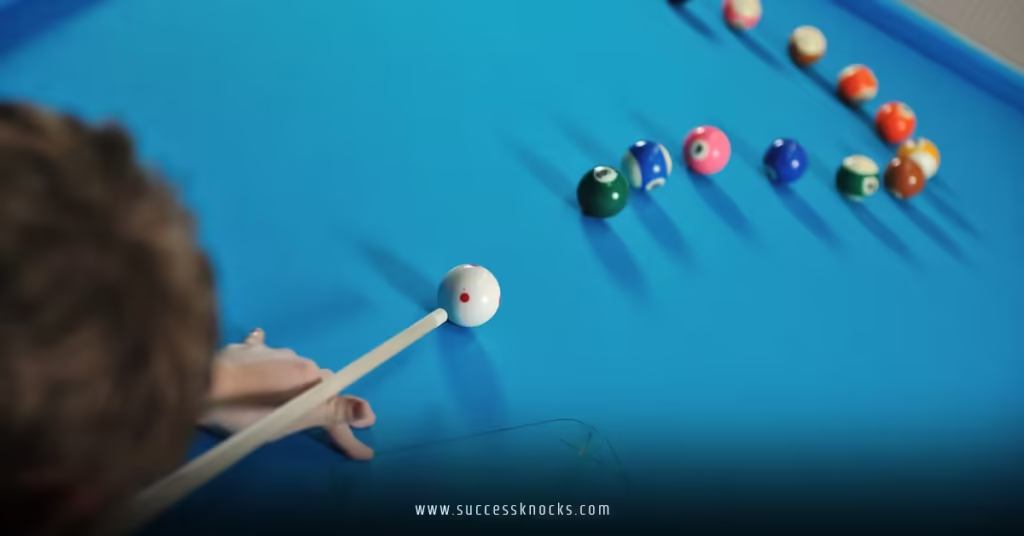
Billiards vs Pool: Which Skill Translates Best?
Rhetorical question: Can pool sharks crush caroms day one?
Nope. Pool power doesn’t prep you for billiards’ whisper-thin margins. But billiards wizards adapt to pool fast—angles universal.
Transferable Skills:
- Spin control. English on cue ball.
- Stance. Bridge hand steady.
- Mental game. Pattern recognition.
What I see coaching intermediates: Pool players grind billiards’ patience. Billiards folks overpower pool breaks.
Step-by-Step: How to Start Playing (Beginner Action Plan)
Don’t dive blind. Follow this.
- Find a Spot: USA? Pool halls nationwide (use BCA locator). Billiards? Clubs in big cities—NYC, LA.
- Rent Gear: $5–$10/hour table time.
- Learn Stance: Feet shoulder-width. Bridge V-hand. Eye over cue.
- Practice Drills:
- Pool: Straight-ins. Rack breaks.
- Billiards: Ghost ball (imagine target).
- Join League: Local APA for pool. USBA for billiards.
- Track Progress: Video swings. Note misses.
- Upgrade: After 20 hours, buy cue.
Two weeks in, you’ll pocket like a pro. Or carom. Your call.
Common Mistakes in Billiards vs Pool (And Quick Fixes)
Rookies flop here. Avoid.
- Mistake 1: Gripping too tight. Fix: Loose hold, wrist snap.
- Mistake 2: Ignoring pockets/rails. Billiards? Plan cushions first. Pool? Path to next shot.
- Mistake 3: Wrong table choice. Pool cue on billiards? Too flexy. Test both.
- Mistake 4: Rushing breaks. Pool: Controlled power. Billiards: N/A, but soft opens.
- Mistake 5: Skipping maintenance. Chalk cue. Brush table daily.
In trenches, I’ve seen intermediates quit over grip alone. Fix early.
Pros and Cons: Billiards vs Pool for Your Game
Billiards Pros:
- Pure skill. No luck pockets.
- Fewer balls—focus sharp.
- Longevity. Pros play into 60s.
Cons: Intimidating start. Scarce tables.
Pool Pros:
- Social. Bar-friendly.
- Variety (8-ball casual, 9-ball pro).
- Affordable entry.
Cons: Crowded rulesets. Bad habits stick.
Match your vibe. Social butterfly? Pool. Geometry nerd? Billiards.
Pro Tips from the Trenches: What I’d Do First
If starting 2026-style? Hybrid approach.
Hit pool halls weekly. Build fundamentals. Weekend? Billiards clinic.
Apps help: Pool Live Pro for practice. Billiards apps rarer—YouTube instead.
USA edge: Massive pool infra. BCA reports over 280,000 league players (per their site).
Rule-of-thumb: 80/20 rule. 80% practice, 20% games.
Key Takeaways: Billiards vs Pool Essentials
- Billiards = pocketless caroms. Precision over power.
- Pool = pockets + numbered balls. Strategy + breaks.
- USA: Pool everywhere. Billiards growing in pockets (pun intended).
- Start cheap: Rent, drill basics.
- Skills overlap ~50%. Billiards hones pool edges.
- Gear matters: Match cue to game.
- Avoid: Tight grips, rushed shots.
- Next level: Leagues via BCA or USBA.
Conclusion: Pick Your Poison, Play Smart
Billiards vs pool boils to this: elegant math or pocket pandemonium. Both killer games. Pool wins for USA accessibility and fun factor. Billiards? Deeper mastery.
Main benefit? Clarity now means better shots sooner. Grab a cue this weekend. Rent both tables. Feel the difference.
Your move.
Frequently Asked Questions
What’s the main difference in billiards vs pool tables?
Billiards tables lack pockets and measure larger (5×10 ft). Pool tables have six pockets and come in 7-9 ft sizes—perfect for home games.
Can I play billiards on a pool table?
Sort of. Remove pockets mentally, use 3 balls. But cloth and cushions differ—true feel needs proper setup.
Is pool easier for beginners than billiards?
Yes. Pocketing feels rewarding fast. Billiards’ caroms frustrate without angle drills.
How much does a billiards vs pool setup cost in 2026?
Pool starter: $1,400 total. Billiards: $6,300+. Rent first to test.
Where to learn billiards vs pool in the USA?
Pool: Any bar or BCA-affiliated hall. Billiards: Specialty clubs via USBA directory.