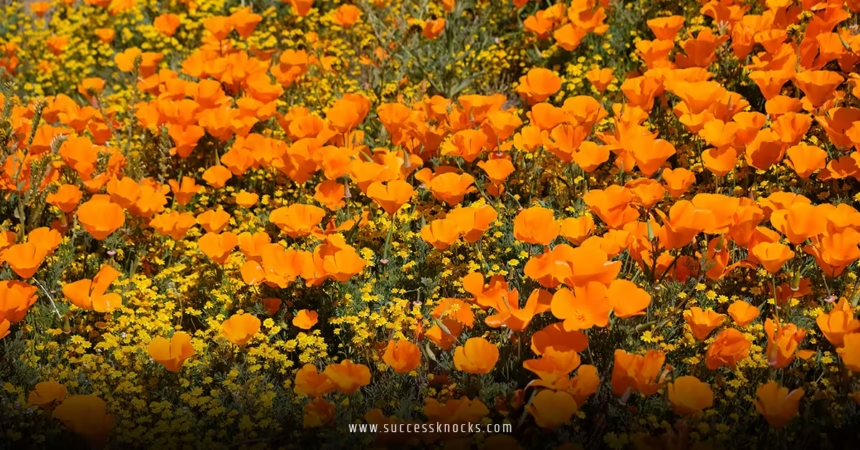
California superbloom 2026 is shaping up to be one of those magical seasons that nature lovers dream about. After solid fall and winter rainfall across much of the state, California State Parks has forecasted a moderate-to-strong wildflower bloom in desert regions, with early signs already appearing in places like Anza-Borrego Desert State Park and Death Valley. Imagine driving through a normally barren desert only to find it transformed into a sea of orange poppies, purple sand verbena, golden desert sunflowers, and pink primroses stretching toward the horizon. It’s like the earth decided to throw a massive color party just for spring.
While a true “superbloom”—that rare, valley-filling explosion—happens roughly once a decade, 2026 has many experts buzzing with optimism. Early sprouts in washes and hillsides, combined with ongoing moisture in some areas, point to vibrant displays ahead. Ready to chase this natural wonder? Let’s break down everything you need to know about the California superbloom 2026, from peak timing to the best spots and how to visit responsibly.
What Exactly Is a California Superbloom?
A superbloom isn’t just a good flower year—it’s an extraordinary event where millions of wildflower seeds, dormant for years, germinate en masse after perfect conditions. Think heavy winter rains soaking deep into the soil, followed by mild temperatures, no killer freezes, and minimal wind damage. Seeds wait patiently through dry spells, then boom: entire landscapes erupt in color when everything aligns.
In 2026, widespread rainfall has set the stage. California State Parks notes that blooms depend on a “delicate mix” of rain timing, sunlight, temps, and wind. Early 2026 sightings in southern deserts show sprouts already pushing through, and some areas are reporting ahead-of-schedule color. While hot, dry spells in late 2025 and early 2026 raised concerns, recent updates suggest many regions are still on track for impressive shows—moderate to strong, with potential for superbloom-level density in select pockets.
Current Forecast for California Superbloom 2026
As of mid-February 2026, the outlook remains promising. Death Valley National Park reports a “good bloom year” with sprouts in many areas, potentially peaking late February through early April in lower elevations. Anza-Borrego Desert State Park has early bursts, and officials warn that while not every year delivers a full superbloom, 2026 could deliver standout displays thanks to that winter moisture.
Peak viewing often shifts by elevation and region: deserts bloom first (February-March), while higher spots or northern areas stretch into April-May. Keep checking official sources—weather can flip the script quickly. For real-time vibes, the Antelope Valley California Poppy Reserve’s live PoppyCam offers a sneak peek (currently showing grass, but things change fast).
Best Places to Witness the California Superbloom 2026
Here are the top hotspots where the California superbloom 2026 is most likely to dazzle.
Death Valley National Park
This iconic spot rarely sees superblooms (last big one was 2016), but 2026 has potential. Early wildflowers are already appearing in washes and hillsides. Focus on areas near the park entrance, along Badwater Road, near Furnace Creek, Mud Canyon, Hells Gate, and stretches toward the highway. If conditions hold, expect fields of yellow, purple, and pink against stark desert backdrops—pure magic at sunrise or sunset.
Anza-Borrego Desert State Park
Northeast of San Diego, this park often leads the charge with early blooms. Sand verbena, desert poppies, and primroses are popping now, with more expected through March. Vast open spaces mean you can find quiet spots amid the color. Recent rain forecasts could extend the show—perfect for photographers seeking dramatic canyon-framed flowers.
Antelope Valley California Poppy Reserve State Natural Reserve
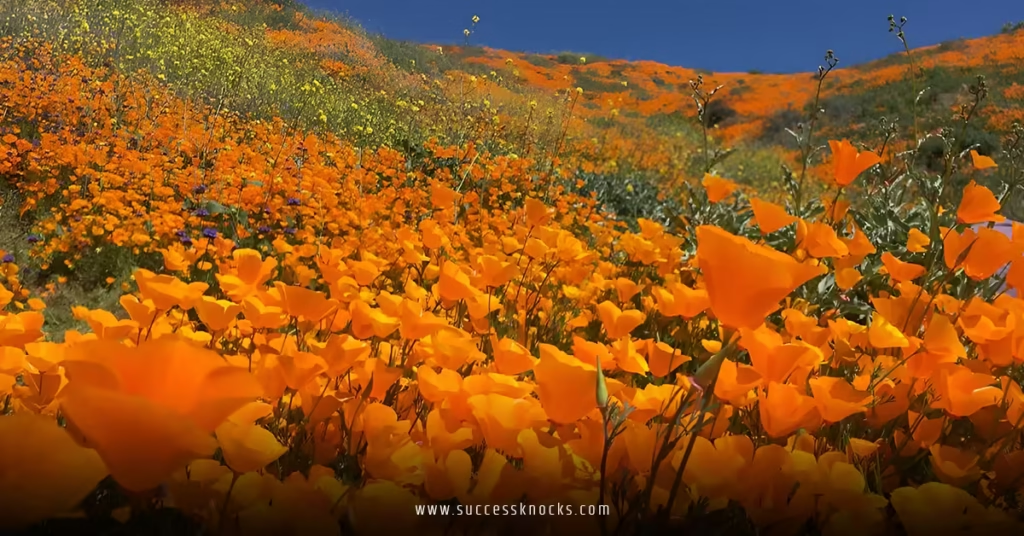
The go-to for California’s state flower. Mid-March through April typically brings dense orange poppy carpets, plus fiddleneck and filaree. State Parks lists it as a prime spot for strong 2026 displays. Trails let you walk through seas of gold—it’s almost surreal how vibrant it gets. Pair your visit with nearby wildflower festivals in California 2026 for extra fun.
Carrizo Plain National Monument
Central California’s hidden gem delivers horizon-to-horizon blooms when conditions align. Early signs suggest it could shine again in 2026. Rolling hills turn into colorful waves—ideal for a peaceful escape.
Other Strong Contenders
- Red Rock Canyon State Park (early colors already spotted)
- Chino Hills State Park
- Joshua Tree National Park (lower elevations first)
- Ocotillo Wells SVRA
- Arthur B. Ripley Desert Woodland SP
These parks saw notable blooms in past strong years like 2017, 2019, and 2023—2026 could follow suit.
Tips for Experiencing the California Superbloom 2026
Timing is everything. Go early in the day for cooler temps, better light, and fewer crowds. Weekdays beat weekends if you hate traffic jams on park roads.
Gear up: Sturdy shoes (desert terrain is rough), layers (mornings chilly, afternoons hot), plenty of water, sunscreen, hat, and snacks. Binoculars or a good camera zoom help spot distant patches.
Photography pros swear by golden hour—the way light hits petals makes colors glow like they’re lit from within.
Most importantly, practice Leave No Trace. Stay on trails—flowers are fragile, and off-trail footsteps crush seedlings that took years to prepare. No picking, no trampling. One careless visit can harm future blooms. Think of yourself as a guest in nature’s temporary gallery.
Why the California Superbloom 2026 Matters
These events aren’t just pretty—they highlight resilience. Deserts store life in seeds, waiting for rain. Superblooms support pollinators, birds, and ecosystems. But climate shifts, droughts, and human pressure make them rarer. Visiting responsibly raises awareness and supports conservation—many parks use visitor fees for habitat protection.
If you’re tying in events, check out wildflower festivals in California 2026. They pair perfectly with bloom chasing, offering guided hikes, education, music, and community while celebrating the same flowers.
Conclusion
The California superbloom 2026 could deliver unforgettable displays across desert landscapes, from Death Valley’s epic expanses to Antelope Valley’s poppy seas. With moderate-to-strong forecasts and early blooms already underway, this spring invites you to witness nature’s rare spectacle. Pack your sense of wonder, respect the land, and go see it before the heat arrives. Moments like these remind us how alive and beautiful our planet is—don’t miss your chance.
Here are three high-authority external links:
- California State Parks Wildflower Bloom Updates
- Death Valley National Park Wildflowers
- Antelope Valley California Poppy Reserve
FAQs About California Superbloom 2026
What makes 2026 a potential superbloom year in California?
Record winter rainfall soaked soils deeply, triggering dormant seeds. Combined with mild conditions so far, experts from California State Parks and national parks predict moderate-to-strong blooms, with possible superbloom pockets.
When is the best time to see the California superbloom 2026?
Late February through March for southern deserts like Death Valley and Anza-Borrego; mid-March to April for Antelope Valley poppies. Peaks shift with weather—check updates weekly.
Where are the top spots for California superbloom 2026?
Death Valley National Park, Anza-Borrego Desert State Park, Antelope Valley California Poppy Reserve, Carrizo Plain National Monument, and Red Rock Canyon State Park lead the list for vibrant, widespread color.
How can I visit responsibly during the California superbloom 2026?
Stick to trails, leave flowers untouched, pack out trash, and avoid off-road driving. Crowds can damage fragile plants—go early, mid-week, and follow park guidelines.
Will there be wildflower festivals tied to the California superbloom 2026?
Yes! Many events celebrate the blooms—explore wildflower festivals in California 2026 for guided experiences, music, and family activities around peak viewing times.