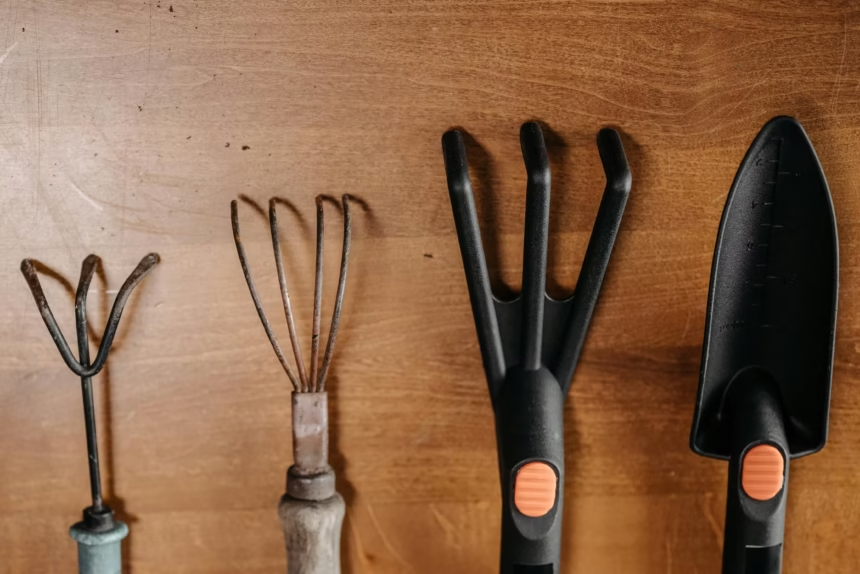
When buying gardening tools, there are a huge array of brands and variants to choose from. If you’re not a gardening expert, you might not know where to start. But don’t worry – this guide is here to help.
Below are some questions to ask when buying gardening equipment that can help you to narrow down your options and prevent you from buying the wrong gear.
What Are Your Needs?
Begin by thinking about what you actually need. Assess the type of garden you have and the types of plants that are growing in it. This will help you determine what maintenance tasks may be necessary in the future and what types of tools you need.
For example, when it comes to trimming back plants, a basic pair of pruners for flowers like roses, but hedges will likely require shears, and trees will require loppers.
Soil conditions can meanwhile affect what tools you may need when digging. For example, clay soil can get compacted and may require tough steel shovels and garden forks to break through. Sandy soil on the other hand is easier to dig but less stable – lightweight narrow trenching shovels are often better for precision.
Local climate can also have an impact on what tools you might need. In locations that get a lot of rain and rarely have droughts, a watering can may be all you need for occasional additional watering. But in locations that have hot and dry weather for long periods, hosepipes and sprinklers may be essential for the extra amounts of water needed to keep laws or hedges alive.
Manual, Electric or Petrol?
How tools are operated matters too. Should you stick with traditional manual tools? Or should you invest in electric or petrol tools? Let’s take a look at some of the differences between each of these types of tools.
Manual tools
Manual tools are cheap to buy, but often labour-intensive to use. Examples include using a rake to remove leaves from a lawn or using shears to cut a hedge.
For small and infrequent tasks, these tools may be all you really need. Such tools can also be more compact than electric or petrol tools, making them easier to store. If they break, they’re also typically cheaper to repair or replace, plus you also don’t have to worry about the extra running costs of electricity or petrol.
For large tasks, they’re often best avoided. Those who are elderly or disabled may also struggle to use these tools.
Electric tools
Electric tools can speed up many tasks like cutting and clearing. They cost more than manual tools, but are generally still cheaper than petrol tools. Examples include an electric leaf blower for clearing leaves or an electric hedge trimmer for cutting a hedge.
Some electric tools have to be plugged into the mains, while others are wireless and use a rechargeable battery. The latter option can be more suitable for larger gardens – you don’t have to worry about being restricted by a cable when using a battery leaf blower or a battery lawnmower. You also don’t have to worry about accidentally cutting the wire when using tools like battery hedge trimmers. The downside is that you need to remember to charge up the equipment after use.
Compared to petrol tools, electric tools are more eco-friendly and quieter. They can also be lighter to use, but are not as powerful as petrol tools, making them unsuitable for some heavy-duty gardening tasks.
Petrol tools
Petrol tools tend to be more powerful than electric tools (although electric tools are getting better). Examples include petrol lawnmowers, petrol leaf blowers and petrol chainsaws.
Compared to electric garden tools, petrol tools are much heavier and noisier. They can also be more expensive to buy and run.
However, they are more powerful. For tasks like lawncare, this could be important to consider – an electric lawnmower may struggle to cut a large lawn on a single charge, or may be a challenge to push up a sloped garden, while petrol mowers can cover larger areas without having to be refilled and can tackle slopes more easily.
What Brand Should You Choose?
There are many different gardening tool brands to choose from. When choosing a brand and model, consider looking at customer reviews.
Tools from more reputable brands may come at a higher price, but could be more reliable and easier to find parts for. Less reputable brands may cost less, but you could find that they break more easily, and sourcing parts may not be as easy if it’s a lesser known brand.
When it comes to battery operated electric tools, sticking to the same brand might be recommended, as some may use the same charging cable or charging station. Choose tools from different brands, and you may have to use charging devices.
New or Used?
Brand new gardening tools will cost you more, but they’re likely to last you longer. The best time of the year to get deals on brand new tools is often winter when less people are buying them, resulting in sales.
Used tools can be cheap, but you need to assess the condition to make sure they are in good working order and safe to use. Older models may also be harder to find spare parts for. You can buy used gardening tools from used stores or from private sellers through platforms like Facebook Marketplace.
Conclusion
Start by making a list of tools you actually need. Then work out what is the best solution for you: a manual tool, an electric tool or a petrol-powered tool. Look into reviews to choose the right brand, and buy tools new if you want to guarantee the best quality. Your budget will likely affect which type of tool is best for you. If you’re on a tighter budget, consider manual used tools from lesser known brands (but check reviews). If you can afford to invest in something more expensive, explore brand new electric and petrol options from more well-known brands.