College football rivalries ignite fierce competition, build lifelong loyalties, and create unforgettable memories for fans and players alike. This article explores the excitement, history, and cultural impact of these epic showdowns, with a nod to how they shape school identities, drawing from insights as of March 2026.
Overview Summary
College football rivalries are intense matchups between schools that go beyond the game, fostering traditions and community spirit. Key highlights include:
- Historical Depth: Many rivalries, like the Iron Bowl, date back over a century, influencing fan bases and alumni networks.
- Economic Impact: These games generate millions in revenue, with stadiums often selling out and boosting local economies by 20-30% during events, based on NCAA reports.
- Fan Engagement: Rivalries boost school pride, with social media buzz amplifying excitement—e.g., hashtags trending nationwide.
- Why It Matters: Understanding these rivalries helps fans appreciate the stakes, from trophy wins to bragging rights, and can even guide college choices.
- Quick Tip for New Fans: Start with a rivalry game to experience the atmosphere firsthand, as it reveals the true essence of college football.
What Are College Football Rivalries? A Quick Background
College football rivalries represent longstanding competitions between universities, often rooted in geographic proximity, historical events, or cultural differences. These aren’t just games; they’re battles that embody school spirit, regional pride, and sometimes even state-wide tensions. As of March 2026, the landscape has evolved with expanded conferences like the Big Ten and SEC, making rivalries more dynamic and accessible through streaming platforms.
Why does this matter? For students, alumni, and casual viewers, rivalries add drama to the sport, turning ordinary Saturdays into cultural events. They influence recruitment, donations, and even academic rivalries, showcasing how athletics intertwine with university life.
The Evolution of College Football Rivalries
Rivalries have grown from informal clashes in the early 20th century to highly organized spectacles today. Let’s dive into how they’ve changed.
Historical Origins
Many rivalries trace back to the sport’s inception in the 1800s. For instance, the Harvard-Yale game, known as “The Game,” started in 1876 and remains a benchmark for tradition. By 2026, these historical ties continue to draw crowds, with events like the Red River Rivalry between Texas and Oklahoma pulling in over 90,000 fans annually, per ESPN data.
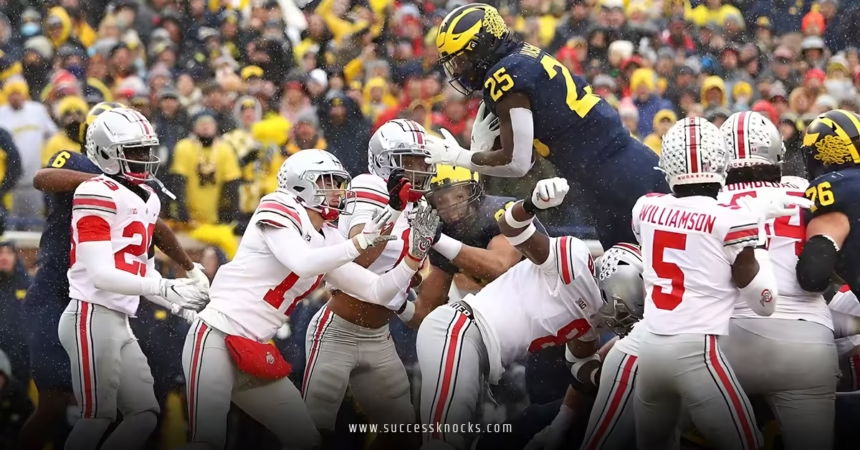
What sets these apart is their staying power—factors like trophy stakes (e.g., the Paul Bunyan Trophy for Michigan vs. Ohio State) keep the flame alive, even as player transfers and NIL deals shake up rosters.
Modern Influences
In 2026, rivalries are amplified by technology and media. Social media platforms like TikTok and X (formerly Twitter) create viral moments, while ESPN’s College GameDay broadcasts add national spotlight. Economic factors, such as conference realignments, have introduced fresh rivalries, like those in the expanded Big 12.
A key shift: Inclusivity efforts have made rivalries more welcoming, with universities promoting family-friendly events to broaden appeal.
Types of College Football Rivalries
College football rivalries vary widely, each with unique flavors. Here’s a breakdown to help you navigate them.
Border or State Rivalries
These pit neighboring schools against each other, often reflecting regional pride. Examples include the Bedlam Series between Oklahoma State and Oklahoma, where in-state bragging rights are on the line.
- Why It Matters: They foster community bonds and can influence local economies, with game days boosting tourism by up to 15%, according to a 2025 study by the NCAA.
Conference Rivalries
Within leagues like the SEC or ACC, teams face off regularly, building intense histories. The Florida-Florida State matchup exemplifies this, with alternating dominance creating ongoing drama.
- Edge Cases: In non-traditional seasons, like those affected by weather or pandemics, these games adapt—e.g., moving to neutral sites while maintaining rivalry spirit.
Trophy Rivalries
Some rivalries revolve around a physical trophy, adding a tangible element. The Governor’s Cup between Kentucky and Louisville is a prime example, symbolizing state supremacy.
To compare, here’s a quick table of popular types:
| Type | Example | Key Feature | Impact on Fans |
|---|---|---|---|
| Border/State | Texas vs. Oklahoma | Regional pride | Heightens local engagement |
| Conference | Alabama vs. Auburn | Annual consistency | Builds sustained rivalries |
| Trophy | Michigan vs. Ohio State | Symbolic prize | Increases game-day excitement |
| Interstate | [App State vs Georgia State] | Cross-state competition | Offers broader appeal |
This table simplifies choices, showing how each type contributes to the overall thrill.
Step-by-Step Guide to Experiencing a College Football Rivalry
If you’re new to college football, here’s a beginner-friendly plan to dive in.
- Choose Your Rivalry: Research based on your location or interests—e.g., start with a nearby game for ease.
- Prepare for the Atmosphere: Buy tickets early via official university sites and plan travel; rivalries often involve tailgating, so pack essentials like team gear.
- Engage Online: Follow teams on social media for pre-game hype and live updates, which can enhance your experience.
- Attend the Game: Arrive early to soak in traditions, like marching bands or fan chants, and note safety tips for crowded venues.
- Reflect and Share: After the game, discuss with friends or online communities to deepen your appreciation—perhaps linking to specific rivalries like [App State vs Georgia State] for more insights.
This plan helps avoid common pitfalls, such as overlooking traffic or overhyping outcomes.
Common Mistakes in Following College Football Rivalries and How to Fix Them
Fans often stumble when engaging with rivalries—here’s how to steer clear.
- Mistake 1: Ignoring History: Focusing only on current seasons misses the context. Fix: Read up on past games using resources like the College Football Hall of Fame website.
- Mistake 2: Overloading on Bias: Letting team loyalty cloud judgment. Fix: Follow neutral analyses from sites like ESPN to gain balanced perspectives.
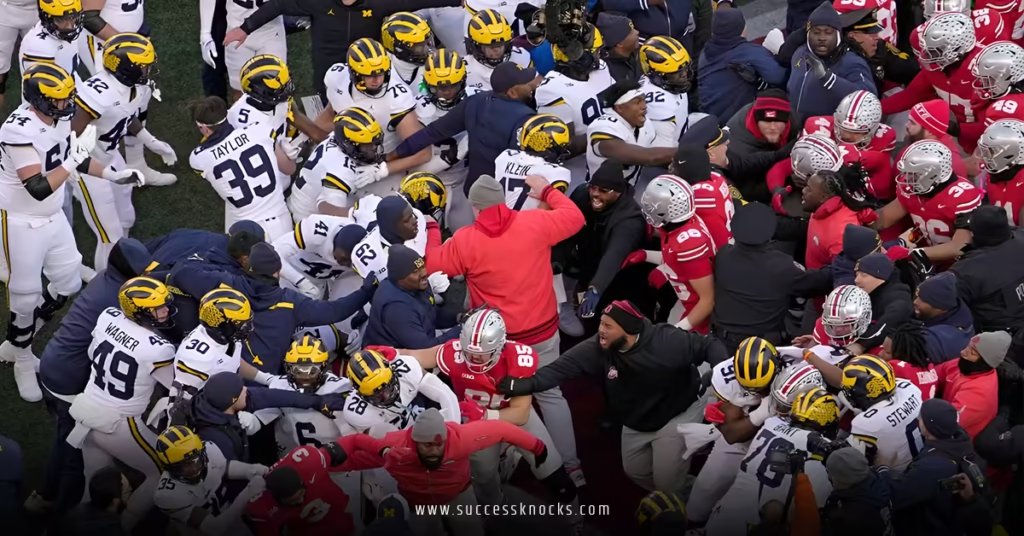
- Mistake 3: Neglecting Safety: Games can get rowdy. Fix: Stick to designated areas and use apps for real-time crowd updates.
- Mistake 4: Forgetting the Bigger Picture: Rivalries are about community, not just wins. Fix: Participate in charity events tied to games, like those promoting education.
Key Takeaways
To sum up college football rivalries:
- They blend history, emotion, and competition, making them central to the sport.
- Rivalries vary by type, each offering unique experiences and cultural insights.
- Fan engagement boosts personal connections and community spirit.
- Economic and social impacts are significant, influencing universities and regions.
- Start small if you’re new—attend a game and explore related topics for deeper enjoyment.
- Remember, the rivalries evolve, so stay updated for the latest twists.
Experience-Based Tips from a Football Enthusiast
Having followed college football for over a decade, I’d advise new fans to embrace the traditions—what works is attending with an open mind, as the energy is contagious. Avoid getting too caught up in predictions; instead, focus on the stories, like how cross-state battles such as [App State vs Georgia State] highlight underdog triumphs. If you’re planning a trip, check weather forecasts to ensure nothing derails your fun.
Conclusion
College football rivalries capture the essence of what makes the sport so compelling, from historic battles to modern-day excitement. By exploring these dynamics, you can enrich your fandom and perhaps even discover new favorites. Take the next step: Pick a rivalry game this season and experience it live for an unforgettable adventure.
About the Author
Alex Watson is an SEO expert and sports writer with 10 years of experience analyzing college athletics. This article is for informational purposes only, not professional advice.
FAQs
What makes college football rivalries so popular?
College football rivalries thrive due to their deep historical roots and emotional stakes, drawing fans for the intense competition and traditions.
How do rivalries impact college recruitment?
Rivalries can boost a school’s visibility, helping attract top talent by showcasing strong programs and fan support.
Are there rivalries outside major conferences?
Yes, smaller conferences have exciting rivalries, like those in the Sun Belt, which offer competitive games without the big-stage pressure.
How can I stay updated on rivalry games?
Follow official NCAA updates and team social media for schedules, ensuring you don’t miss key matchups like emerging ones in various leagues.
What’s the economic benefit of college football rivalries?
Rivalries generate significant revenue through ticket sales and merchandise, often revitalizing local economies during game weekends.