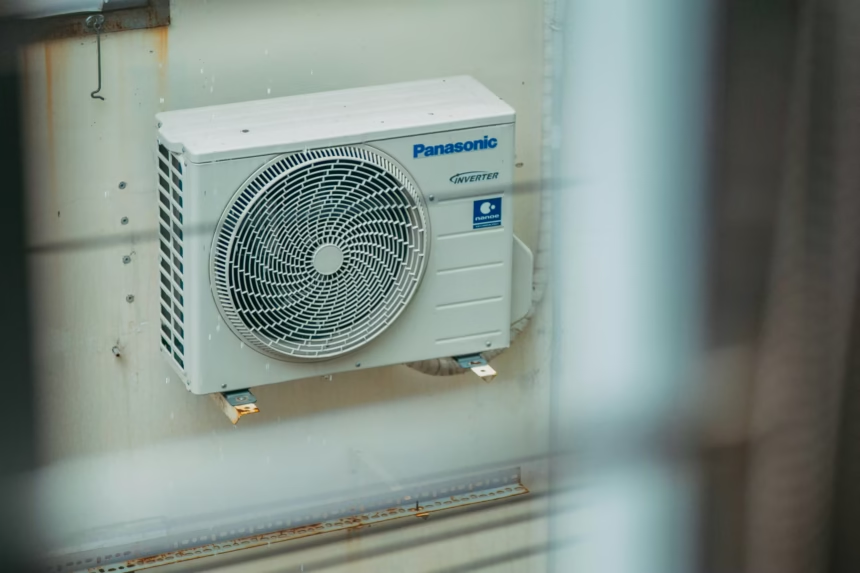
Air conditioning systems are essential for maintaining comfort in homes and offices, particularly in regions where heat can become intense. However, like any mechanical system, AC units can experience issues that affect performance and efficiency. Strange noises, uneven cooling, or poor airflow are common signals that something is not functioning properly. Ignoring these signs can lead to larger, more costly problems down the line, as well as discomfort during the hottest days. Regular maintenance and understanding common AC issues can help prevent sudden breakdowns and ensure your system operates smoothly. We will explore frequent AC problems, their potential causes, and practical solutions to restore proper function and efficiency.
Common AC Problems and How to Fix Them
1. Strange Noises Coming from the AC Unit
Hearing unusual sounds from an air conditioner is often the first indication that something is wrong. Grinding, squealing, or rattling noises usually point to mechanical issues within the system. A grinding noise might suggest a problem with the motor or a worn-out bearing, while squealing often indicates a loose or misaligned belt that requires attention. Rattling sounds may come from loose parts, debris caught in the system, or components that need tightening. Addressing these issues promptly is important because continuing to operate the unit with mechanical problems can lead to further damage and costly repairs.
In many cases, carefully inspecting the motor, fan, and belts, and securing any loose components can resolve the noise. For more persistent problems, replacing worn-out parts can restore smooth operation. Regularly cleaning the unit and ensuring components are properly lubricated also reduces the risk of unusual sounds and improves overall performance. For homeowners seeking reliable assistance, contacting a trusted HVAC service in Peoria can ensure these inspections and repairs are carried out efficiently and safely.
2. Poor Cooling or Lack of Cold Air
One of the most frustrating AC issues is poor cooling, where the system fails to produce cold air or struggles to maintain the desired temperature. This can be caused by a variety of factors, including low refrigerant levels, dirty air filters, or a malfunctioning compressor. Low refrigerant can prevent the unit from absorbing heat efficiently, while clogged filters restrict airflow, reducing cooling capacity. Additionally, problems with the compressor, which circulates refrigerant, can severely impact cooling performance. Resolving these problems typically involves checking refrigerant levels, cleaning or replacing filters, and inspecting the compressor for operational issues. Ensuring the AC unit is sized correctly for the space is also essential because an undersized unit may struggle to cool effectively. In contrast, an oversized unit can cycle frequently, leading to inconsistent comfort. Proper diagnosis and timely intervention can restore cooling efficiency and extend the system’s lifespan.
3. Uneven Airflow Throughout the Home
Uneven airflow is another common concern that affects comfort and energy efficiency. Some rooms may feel cold while others remain warm, indicating a problem with ductwork, vents, or airflow balance. Blockages, leaks, or poorly designed ducts can restrict air from reaching all areas of a home evenly. Dirty or obstructed vents and registers can also contribute to uneven distribution. Addressing these issues starts with inspecting the duct system for leaks or damage, cleaning vents and filters, and ensuring registers are open and unobstructed. In some cases, adjusting dampers within the ductwork can help balance airflow, directing cooled air to areas that need it most. A well-maintained duct system not only improves comfort but also reduces energy consumption, as the AC unit operates more efficiently when airflow is properly distributed throughout the space.
4. Water Leaks and Moisture Problems
Water leaks around an AC unit are usually signs of drainage or condensation issues. Most air conditioners produce condensation as they cool air, and a drainage system typically manages this moisture. When the drain line becomes clogged or the pan is damaged, water can leak, potentially causing damage to walls, ceilings, and flooring. Addressing leaks involves inspecting and clearing the drain line, ensuring the pan is intact, and checking for proper slope and alignment to allow water to flow freely. Additionally, excessive humidity in the home may indicate that the AC is not dehumidifying properly, often due to low refrigerant levels or a dirty evaporator coil. Regular cleaning of the drain system and periodic inspection for blockages help prevent water damage and keep the system functioning efficiently.
5. Frequent Cycling or AC Short-Cycling
Air conditioners that frequently turn on and off, known as short-cycling, indicate that the system is not operating as intended. An oversized AC unit, thermostat issues, or a compressor problem can cause this behavior. Short-cycling not only reduces comfort by creating inconsistent temperatures but also increases wear on the system, leading to premature component failure. Addressing this issue may involve recalibrating or replacing the thermostat, ensuring the AC unit is correctly sized for the space, and inspecting the compressor for operational problems. Proper airflow, clean filters, and unobstructed vents also help prevent short-cycling, as airflow restrictions can trigger the system to shut down prematurely. Maintaining these aspects ensures the AC runs efficiently and consistently, providing stable cooling without unnecessary stress on its components.
If your air conditioning unit is still not functioning properly after trying these solutions, it might be time to seek professional help. Sometimes, the issue could be more complex, involving electrical components or refrigerant levels that require expert attention. For residents in the area, finding a reliable service for ac repair chino can make all the difference in restoring comfort to your home. A skilled technician can diagnose and fix problems efficiently, ensuring your system runs smoothly and efficiently. Regular maintenance checks can also prevent future issues, saving you time and money in the long run.
If you’re experiencing persistent issues with your air conditioning unit, it might be time to seek professional help. Sometimes, the problem isn’t just a simple fix and requires a more in-depth inspection. For residents in South Carolina, finding reliable ac repair charleston services can make all the difference in ensuring your system runs smoothly throughout the hot summer months. Expert technicians can diagnose and resolve complex issues, from refrigerant leaks to electrical failures, ensuring your home remains comfortable. Regular maintenance and timely repairs not only extend the lifespan of your unit but also improve energy efficiency, saving you money in the long run.
If your air conditioning unit is still not performing optimally after trying these solutions, it might be time to consult a professional. Regular maintenance can prevent many common issues from arising in the first place. For those who want to ensure their AC system is in top shape, scheduling a routine check-up can be invaluable. Click here to find expert assistance and keep your cooling system running smoothly. Remember, addressing minor problems early can save you from more significant headaches down the line, ensuring comfort and efficiency throughout the warmer months.
Air conditioning problems, from strange noises to uneven airflow, can significantly impact comfort and efficiency. Understanding common issues and their potential causes allows homeowners to address problems before they escalate into costly repairs. Routine maintenance, including cleaning filters, inspecting ductwork, and checking refrigerant levels, plays a vital role in preventing many AC problems. Promptly attending to unusual sounds, poor cooling, water leaks, or electrical issues ensures the system operates reliably and extends its lifespan.