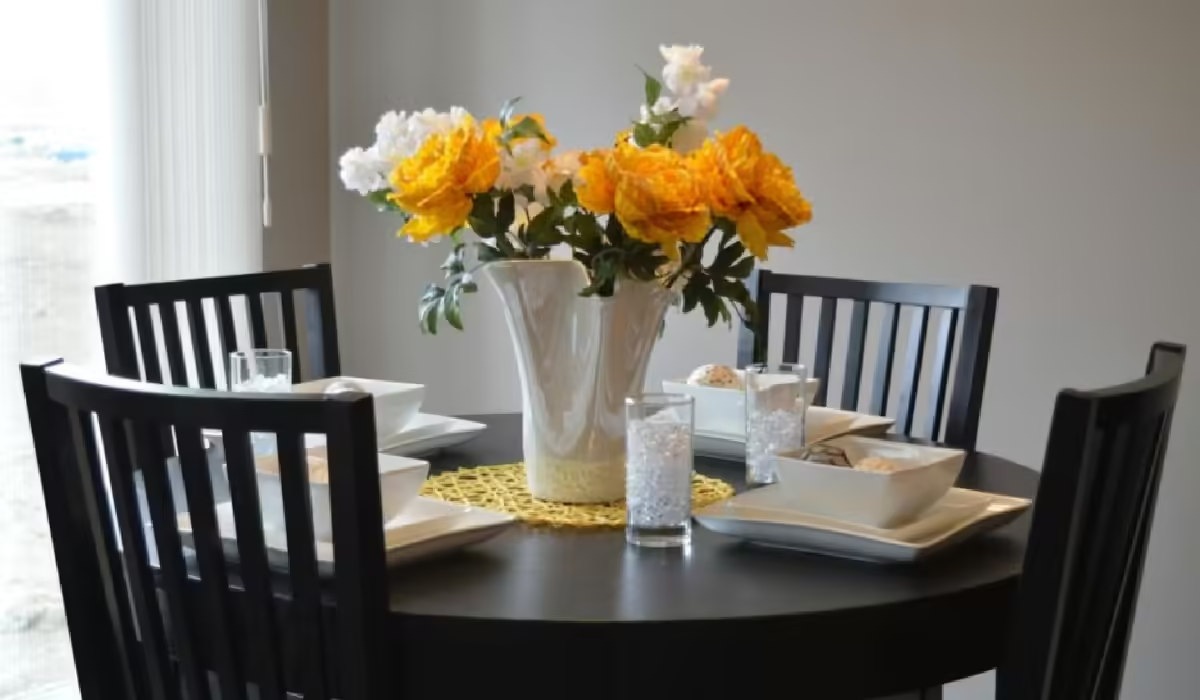
Think about your dining area for a second. It’s more than a place to eat—it’s where stories are shared, laughs happen, and everyday moments turn into memories. A cozy dining space makes people want to sit longer, talk more, and truly enjoy meals together. The good news? You don’t need a big budget or a full makeover to make that happen.
With the right dining table set and a few thoughtful choices, you can turn even a simple space into a warm, welcoming spot. This guide will show you how to create a dining area that feels comfortable, inviting, and easy to love every day.
Choosing the Perfect Dining Table Set to Create Your Cozy Foundation
Your table isn’t just another piece of furniture. It’s the anchor point that dictates whether your space feels intimate or impersonal, welcoming or institutional.
Round Tables: The Ultimate Choice for Intimate Gatherings
Circular tables possess an almost magical quality. When you opt for a round dining table set, you’re eliminating visual hierarchy entirely. Everyone sits equal distance from the center. Nobody gets banished to an awkward end position or relegated to a corner.
Here’s what makes them brilliant: round tables soften boxy rooms beautifully. They’re actually more space-efficient than you’d guess since there aren’t jutting corners eating up circulation space. Got small children? Those missing sharp edges become a legitimate safety advantage that rectangular alternatives simply can’t offer.
Dining Table Set for Small Spaces: Maximizing Compact Areas
Cramped square footage is no excuse for abandoning warmth or personality. A smart dining table set for small spaces might feature drop-leaf engineering—expanding when company arrives, then folding down for everyday living. Wall-mounted models that flip up when not needed? They’re game-changers for truly tight quarters.
Pedestal bases beat four-legged configurations in cramped spaces. Why? More usable leg room underneath. Choose chairs that tuck completely beneath the table surface when vacant. Glass tops create optical spaciousness while maintaining exactly the cozy atmosphere you’re chasing.
Material Selection Guide for Warmth and Durability
Nothing beats real wood for bringing warmth into dining spaces. Reclaimed or deliberately distressed finishes deliver instant character while camouflaging the scratches and dings that accompany actual family life. Solid wood ages gracefully—developing richer patina over years instead of looking progressively worse.
Walnut and oak provide those deep, warm tones that ground cozy aesthetics immediately. Lighter options like maple work perfectly for Scandinavian-leaning minimalism. Whatever direction you go, natural grain patterns inject organic visual texture that manufactured materials will never duplicate.
Essential Cozy Dining Room Ideas: Design Principles That Work
Table selected? Good. Now comes the layering process that elevates basic dining into genuinely magnetic spaces. These cozy dining room ideas compound to create a proper atmosphere.
Color Palettes That Create Warmth and Intimacy
Earthy tones—think terracotta, sage, warm cream—form ideal backdrops for cozy dining. They feel grounded. Calming. Exactly what you need when gathering for meals. Richer accent shades like burgundy or forest green add depth without suffocating smaller rooms.
Current trends lean toward muted greens, crisp whites, and natural beige accented with metallic touches. These understated palettes deliver sophisticated warmth that won’t embarrass you next year. There’s actual psychology behind why warm neutrals perform so well—they literally make spaces register as warmer and more welcoming to our brains.
Layering Textures for Multi-Dimensional Comfort
Material variety prevents your dining area from reading as flat or one-note. Pair smooth wood surfaces with nubby linen runners. Add woven placemats and upholstered chair seats. Each texture interacts with light uniquely, building visual depth.
Natural fibers—jute rugs, cotton napkins, rattan accents—contribute organic warmth. Don’t fear mixing wood finishes either. A walnut table absolutely coexists with lighter oak chairs when overall tones complement each other. The variation suggests collected-over-time character rather than sterile showroom matching.
Scale and Proportion: Getting the Sizing Right
Even gorgeous furniture fails when it’s improperly sized for your actual space. Plan for roughly 24 inches of table width per diner. Less than that creates cramped discomfort that destroys coziness faster than anything.
Maintain at least 36 inches between your table edge and walls or neighboring furniture. This allows chairs to slide out comfortably while creating functional traffic patterns. For overhead lighting, position the fixture bottom 30-34 inches above your table surface—high enough to prevent head collisions, low enough to cast intimate glow.
How to Style a Dining Table: Daily and Special Occasion Approaches
Mastering how to style a dining table keeps your space looking purposeful without requiring constant attention. The trick lies in balancing beautiful with actually livable.
Everyday Elegance That’s Actually Practical
Keep daily styling simple and functional. A wooden bowl filled with seasonal fruit pulls double duty—both attractive and providing healthy snacks. A low vase holding branches or flowers adds life without obstructing sightlines during conversations.
Table runners introduce color and surface protection while remaining easy to switch out. Choose machine-washable versions so spills don’t cause panic. Three pillar candles at varying heights grouped on a tray? Instant ambiance. Light them for dinner, blow them out for breakfast.
Seasonal Styling Without Overcrowding
Rotating small elements seasonally keeps your dining area feeling current. During fall and winter, exchange lightweight linens for heavier materials like velvet or wool. Introducing warm metallics—copper or brass accessories work beautifully.
Spring and summer call for lighter interventions—white or pastel napkins, transparent glass vases, botanical elements. The rule of three applies well to centerpieces: odd-numbered groupings create more visual interest. Just remember that genuinely less is more for table surfaces—you’ll need actual room for plates and serving dishes.
Table Setting Essentials for Intimate Dining
Your everyday dinnerware establishes the tone for meals. Handmade or artisan pieces with slight irregularities feel more personal than robotically uniform sets. Mix patterns if they share common color threads—it reads as collected and interesting rather than chaotic.
Cloth napkins elevate even Tuesday night dinners. They’re also more sustainable than disposable alternatives and feel nicer. Simple wooden chargers beneath plates add dimension while protecting your table finish. These small details signal that meals matter, encouraging everyone to slow down and actually connect.
Dining Room Decorating Tips: Beyond the Table
While your table commands attention as the focal point, surrounding elements complete the cozy atmosphere. These dining room decorating tips address commonly overlooked details that dramatically impact spaces.
Strategic Lighting Design for Ambiance
Lighting might be your single most powerful coziness tool. Layered lighting works best—combine overhead fixtures with wall sconces or buffet lamps for maximum flexibility. Dimmer switches aren’t optional; they’re essential for adjusting brightness to match occasions and moods.
Warm-toned bulbs in the 2700K-3000K range create that golden glow we associate with cozy spaces. Avoid cool white bulbs that feel institutional and unwelcoming. Candles scattered strategically supplement electric lighting gorgeously, casting flattering shadows and introducing movement.
Seating Solutions That Prioritize Comfort
Uncomfortable chairs guarantee people bolt immediately after eating. Upholstered seats or cushions with ties make extended gatherings tolerable. Mix a bench along one side for casual, relaxed seating that accommodates surprise extra guests.
Wooden chairs? Consider adding seat pads in washable fabrics. Look for at least two inches of padding—anything thinner provides essentially no meaningful comfort. Dining chairs endure heavy use, so invest in quality that lasts rather than cheap options you’ll replace annually.
Your Questions About Cozy Dining Spaces Answered
What size table fits a small dining area comfortably?
For tight spaces, target tables measuring 36-48 inches in diameter or width. Round or square configurations maximize seating without wasting corner space. Extendable designs provide entertaining flexibility while staying compact for daily use.
How do I make my dining room feel warmer and more inviting?
Layer warm lighting sources, incorporate textiles like area rugs and curtains, add natural wood elements, and embrace earthy color schemes. Personal touches—family photos, collected objects—make spaces feel inhabited rather than staged for magazines.
Can I mix different chair styles around one table?
Absolutely, yes! Mixing chairs adds genuine personality and collected character. Unify them through common elements—identical color, similar wood tone, or coordinating upholstery. Done thoughtfully, it looks intentional rather than accidental.
Bringing Your Cozy Dining Vision to Life
Creating an inviting dining area fundamentally comes down to selecting proper foundation pieces, layering textures and lighting strategically, and incorporating personal touches reflecting your family’s unique story. The most successful spaces balance aesthetic appeal with real-world functionality—they’re designed for actual living, not Instagram feeds.
Start with whichever element excites you most, whether that’s hunting for the perfect table or selecting your color palette, then build outward from there. Your dining area holds tremendous potential to become your home’s true heart where genuine connection happens organically and memories accumulate naturally over countless shared meals.